
1. INTRODUCTION
Cereals such as Zea mays L. (maize) constitute a fundamental food source for humans and other living organisms [1]. However, infection by fungi such as Aspergillus, Fusarium, and Penicillium during agricultural cultivation, harvest, storage, and transportation causes significant economic losses in crop yield and the agro-food industry [2–4]. Fungi are considered the main biotic factor responsible for poor grain quality and yield reduction in maize, as they affect plant growth and produce mycotoxins with immunosuppressive, teratogenic, and mutagenic effects [1], and are also associated with the development of cancer in humans [5].
In tropical and subtropical regions, several toxigenic species of Aspergillus have been reported, including Aspergillus flavus and Aspergillus ochraceus, producers of aflatoxins and ochratoxins [6]. In addition, fungi belonging to the genus Fusarium are typical producers of fumonisins. Among the most relevant species are Fusarium verticillioides and Fusarium proliferatum, which cause seedling blight and rot of stems, ears, and grains [7]. Fumonisins produced by Fusarium are classified into four groups (FA, FB, FC, FP), among which group B stands out, including fumonisins B1 (FB1), B2 (FB2), and B3 (FB3). FB1 has been described as the most toxic to humans and animals [7,8] and is classified as a group 2B possible human carcinogen [5], as it has been associated with esophageal, liver, and kidney cancers, in addition to causing neurotoxic effects through oxidative stress and cellular dysfunction [8,9].
Fusarium verticillioides is one of the filamentous fungi most frequently reported in cereals worldwide [10,11]. A study conducted in Peru detected Fusarium spp. at the molecular level in 95% of maize samples, with predominance of F. verticillioides, quantifying fumonisin levels up to 6,725 ppb in dry matter. This value significantly exceeded the maximum level of 1,000 ppb established by European regulations for maize intended for direct human consumption [12]. Therefore, preventing fungal infection in cereals and the accumulation of mycotoxins is extremely challenging. Nevertheless, toxin levels in food can be reduced through physical and chemical techniques that inhibit fungal growth; however, these approaches do not guarantee complete elimination and may generate by-products or residues that compromise food quality and safety [13]. Alternatively, biological control methods can be applied using generally recognized as safe microorganisms, which are considered safe and effective [14,15]. These microorganisms interact with pathogens through antagonistic mechanisms such as competition, antibiosis, and parasitism [16].
In nature, several microorganisms capable of inhibiting the growth of Fusarium spp. and their produced toxins have been reported. These include bacteria from the genera Lactococcus [17], Burkholderia, Achromobacter, Serratia [18], Streptomyces, Pseudomonas [19], and Bacillus, Lactobacillus [20], as well as filamentous fungi from the genera Aspergillus [18], Trichoderma [21,22], and Penicillium [23]. Previous studies have reported biological agents for the control of toxigenic fungi such as Fusarium in cereals; however, they still show limited efficiency in reducing and/or suppressing these agents in crops [24,25]. Some applications yield inconsistent efficacy, which varies depending on the antagonist strain, the time elapsed post-application, or cases where fungal growth is inhibited without a corresponding reduction in the produced toxins. This limitation has been demonstrated in the control of Fusarium graminearum or F. verticillioides using Sarocladium zeae [26], Streptomyces sp. [25], and Pseudomonas sp. [27]. Furthermore, this lack of experimental reproducibility, combined with the complex regulatory registration processes for biopesticides, contributes to their limited availability on the commercial market [24]. Therefore, there is still a need to search for and characterize new potential microorganisms capable of biologically controlling these toxigenic agents in food under different environmental conditions. In this context, the present study aimed to determine the efficiency of bacteria and filamentous fungi recovered from Z. mays L. (maize) for the control of fumonisin-producing F. verticillioides.
2. MATERIALS AND METHODS
2.1. Isolation and Identification of Bacteria and Filamentous Fungi Associated with Maize Grains
A total of 42 maize samples (1 kg per sample) were purchased from 42 different retail markets in Lambayeque, Peru, to isolate bacteria and filamentous fungi with potential antagonistic activity, as well as F. verticillioides.
For the isolation of microorganisms with antagonistic potential, 10 g of maize from each sample were ground using a Nutrimixer-901 (Blackline, Peru) for 1 minute and then diluted (1:1,000) in 0.1% peptone water. Aliquots from the final dilution were plated onto potato dextrose agar (PDA) (Merck, Germany) supplemented with 25 µg/ml fluconazole (anti-fungal) to isolate bacteria and chloramphenicol (anti-bacterial) (Fisher, United Kingdom) to isolate filamentous fungi [28], and incubated at 30°C for 2 and 7 days, respectively. Representative colonies of each microbial morphotype were selected and subjected to Gram staining (bacteria) or methylene blue staining (fungi) for presumptive identification. Pure bacterial cultures were preserved on tryptic soy agar and stored at 4°C [29].
For filamentous fungi, monospore cultures were obtained. Briefly, a fragment of mycelium was transferred to a tube containing distilled water with 0.1% Tween 80 and plated onto 2% water agar. Plates were incubated for 12 hours, after which three germinated conidia were selected using a stereomicroscope and transferred onto PDA. Cultures were incubated at 30°C for 5 days and stored at 4°C [30,31]. Fungal genera were identified from these monospore cultures grown on PDA. Fusarium species were identified using the keys of Ramírez-Camejo et al. [10] and Leslie and Summerell [32]; Aspergillus using the keys of Cruz [33] and Piontelli [34]; Penicillium using Frisvad and Samson [35]; and Trichoderma using Pitt and Hocking [36].
2.2. Identification and Selection of Fumonisin-Producing F. verticillioides in Maize
Morphological identification of F. verticillioides grown on PDA was performed by observing reproductive structures, including the shape and chain arrangement of microconidia, the presence of scarce macroconidia, and the absence of chlamydospores [10].
Detection and quantification of fumonisins were performed using a one-step lateral flow immunochromatographic method based on a competitive immunoassay (Symmetric Fumonisin Green, Prognosis Biotech, Larissa, Greece) for the determination of toxins in cereals, grains, and feed. The method had a limit of detection (LOD) of 0.1 ppm, a limit of quantification (LOQ) of 0.15 ppm, and a quantification range of 0.15–4 ppm.
For this purpose, 10 g of maize grains were placed in Erlenmeyer flasks, disinfected with 1% sodium hypochlorite (v/v), rinsed with distilled water, and sterilized by autoclaving (121°C) for 30 minutes [37]. Subsequently, a 10-mm PDA plug from a 7-day culture of F. verticillioides was inoculated into each flask. After 25 days of incubation, maize grains colonized by the fungus were sterilized by autoclaving (121°C) for 30 minutes, ground, mixed with the contents of a major aqueous extraction packet, and processed according to the manufacturer’s instructions.
The concentration of total fumonisins was measured using the Raptor cartridge (Lateral Flow Reader, Model 3PR MINI) with the S-Flow v.2.0.3.111 software (Prognosis Biotech, Larissa, Greece). Samples with values exceeding the quantification range were diluted (1:5 and 1:10) using the major extraction kit, and the obtained values were multiplied by the dilution factor to determine fumonisin concentration (ppm) [38].
2.3. Comparison of the Efficiency of Antagonistic Microorganisms Against Toxigenic F. verticillioides
The antagonistic potential of the microorganisms against the selected toxigenic F. verticillioides strain was evaluated using the dual culture method on PDA [39,40], with assays performed in triplicate.
For filamentous fungi, a 6-mm PDA plug from a 7-day culture was placed on one-third of the PDA plate. After 24 hours of incubation, a 6-mm PDA plug containing a 7-day culture of F. verticillioides was placed at the opposite edge of the plate. For bacteria, colonies were streaked on one-third of the PDA plates, and after 24 hours of incubation, a 6-mm PDA plug containing a 7-day culture of F. verticillioides was placed at the opposite edge of the plate. Control plates consisted of PDA inoculated only with F. verticillioides. Plates were incubated at 30°C for 10 days. The two perpendicular radii of fungal colonies (R1, R2) were measured to calculate colony area and inhibition area [30,41].
The three filamentous fungi and three bacteria showing the largest inhibition areas were selected for subsequent assays. Selected bacterial isolates were identified phenotypically according to Bergey’s Manual of Determinative Bacteriology [42], using biochemical and physiological tests described by Amoah et al. [43].
The efficiency of antagonistic microorganisms in controlling toxigenic F. verticillioides was evaluated based on inhibition of fungal colony growth and reduction of total fumonisin production. Two experiments (1 and 2) were performed under a completely randomized design using the three selected bacterial and three filamentous fungal isolates. Seven treatments were evaluated: T1 (toxigenic fungus control), T2–T4 (toxigenic fungus + antagonistic bacteria 1, 2, and 3), and T5–T7 (toxigenic fungus + antagonistic filamentous fungi 1, 2, and 3).
2.3.1. Reduction of fungal colony area
In experiment 1, antagonism was assessed using the dual culture method on PDA as described in section “Comparison of the Efficiency of Antagonistic Microorganisms Against Toxigenic F. verticillioides” [39,40]. After 10 days of incubation at 30°C, the colony area of the toxigenic fungus and the inhibition area were calculated. Microscopic observations (OLYMPUS C534, 400×) of hyphae and reproductive structures were also performed for both the experimental and control treatments.
2.3.2. Reduction of total fumonisins
In experiment 2, total fumonisin production was determined by co-culturing bacteria or filamentous fungi with toxigenic F. verticillioides. Ten grams of previously selected maize grains (without holes or spots) were placed in Erlenmeyer flasks and disinfected and sterilized as described in section “Identification and Selection of Fumonisin-Producing F. verticillioides in Maize”.
The inoculum (20%) consisted of a suspension of cells in 0.1% peptone water obtained from bacteria and fungi grown on PDA for 24 and 96 hours, respectively. Bacterial inoculum concentration was standardized to 108 CFU/ml [44], while filamentous fungal suspensions were prepared in peptone water supplemented with Tween 80 (0.0001%) and adjusted to 1–5 × 10⁷ conidia/ml using a Neubauer chamber [45]. After 24 hours of incubation at 30°C, a 10-mm PDA plug containing a 7-day culture of toxigenic F. verticillioides was added to each flask and incubated at 30°C for 4 days with 70% relative humidity (BOECO SH-110).
Following incubation, maize grains were sterilized in an autoclave for 20 minutes, ground, and 5 g were weighed and mixed with 25 ml extraction solvent (70% methanol at a 1:5 ratio). Total fumonisins were determined using the ELISA method proposed by the manufacturer (Symmetric Total Fumonisin, Prognosis Biotech). Absorbance was measured at 450 nm using an ELISA reader [41] and analyzed with Prognosis Data-Reader v.7.6 software (Prognosis Biotech, Larissa, Greece). Manufacturer-provided standards of 0, 0.2, 0.8, 2.4, and 5 mg/kg were used. The method had a LOD of 0.15 mg/kg, a LOQ of 0.20 mg/kg, and a quantification range of 0.2–5 mg/kg.
Samples exceeding the quantification range were diluted (1:5 and 1:10) with 70% methanol, and results were multiplied by the dilution factor to determine fumonisin concentrations (µg/kg) [38,45]. The percentage reduction of total fumonisins was calculated relative to the toxigenic fungus control without antagonistic microorganisms.
2.4. Identification of Potential Microbes Biocontrolling Toxigenic F. verticillioides
The microorganism showing the highest efficiency in controlling toxigenic F. verticillioides was subjected to molecular identification. Fungal DNA was extracted using the method described by Cenis [46]. The internal transcribed spacer (ITS) region was amplified by PCR using the universal primers ITS1F and ITS4.
PCR products were sequenced using the Sanger method at the “Marcel Gutiérrez Correa” Microbiology and Biotechnology Laboratory of the Universidad Nacional Agraria La Molina. The assembled sequence was preliminarily identified using BLASTN and BOLD [47], and subsequently aligned with related ITS sequences obtained from the NCBI database [48]. Phylogenetic analysis was performed using MEGA11 [49] with the Neighbor-Joining method and 1,000 bootstrap replicates.
2.5. Statistical Analysis
The percentages of inhibition of F. verticillioides colony growth and reduction of total fumonisin production in co-culture with the investigated bacteria and filamentous fungi were evaluated for normality and homoscedasticity. Parametric data were analyzed using ANOVA followed by Tukey’s multiple comparison test, whereas non-parametric data were analyzed using the Kruskal–Wallis test followed by Dunn’s post hoc test. Statistical analyses were performed using SPSS version 26.00 with a significance level of p < 0.05.
3. RESULTS AND DISCUSSION
3.1. Bacteria and Filamentous Fungi Associated with Maize Grains
To evaluate the biocontrol potential of the native isolates, a sequential screening strategy was employed. Microorganisms were first isolated and presumptively identified based on morphological characteristics. Following the evaluation of their antagonistic efficiency in vitro and in vivo, only the most effective strain was selected for subsequent molecular identification.
From the total number of processed samples, 54 bacterial isolates were obtained and grouped into ten morphotypes, with morphotype 3 being the most frequent. Gram-negative bacteria (n = 33, 61.1%) predominated in maize grains (Table 1).
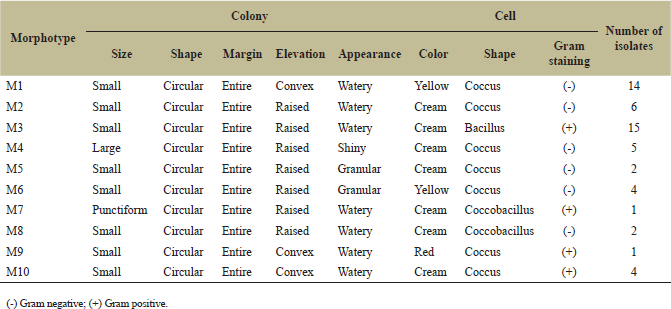 | Table 1. Morphotypes of bacterial colonies isolated from maize grains. [Click here to view] |
On the other hand, 103 filamentous fungi were isolated, which were grouped into nine morphotypes (Fig. 1, Table 2). Morphotypes 1, 2, 3, and 4 were identified as belonging to the genus Fusarium, which was the most frequent group (n = 57; 55.3%). Morphotypes 5, 6, and 7 were identified as Aspergillus, morphotype 8 as Penicillium, and morphotype 9 as Trichoderma.
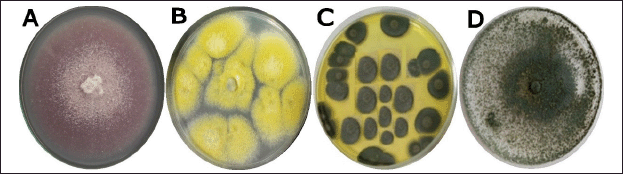 | Figure 1. Plate growth of filamentous fungal colonies recovered from maize grains in this study. A) Fusarium, B) Aspergillus, C) Penicillium, and D) Trichoderma. [Click here to view] |
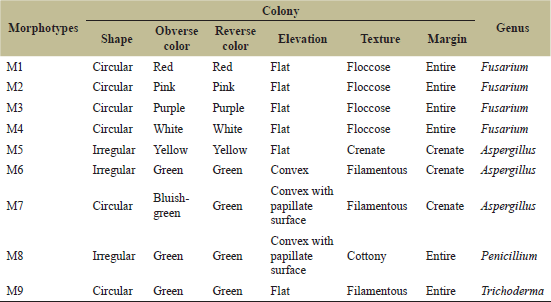 | Table 2. Morphotypes of filamentous fungi recovered from maize grains in this study. [Click here to view] |
All these genera have been previously reported in maize grains [10,50,51]. In addition, some species within these genera are known to produce mycotoxins in food, representing a serious health risk for consumers [50]. The genus Fusarium is particularly noteworthy because it is dominant among fungi associated with cereal grains, causing diseases such as seedling blight and stem and root rot, which have a significant economic impact on cereal production [10].
3.2. Fusarium verticillioides Producing Total Fumonisins in Maize
Filamentous fungal morphotypes 1 and 2 were identified as F. verticillioides. Together, these two morphotypes accounted for 78.9% (n = 45) of the total Fusarium isolates (n = 57) obtained (Fig. 2). These isolates were recovered from 85.7% (n = 36) of the maize samples analyzed. At the microscopic level, long chains of microconidia, monophialides, and the absence of chlamydospores were observed, which are characteristic morphological features of F. verticillioides.
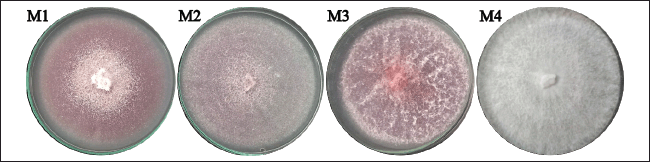 | Figure 2. Morphotypes of Fusarium colonies grown on PDA. M1, M2, M3, and M4, respectively. [Click here to view] |
A total of 32 recovered F. verticillioides (71.1%) isolates were toxigenic, producing fumonisin concentrations ranging from 30 to 4,010 ppb in maize grains cultured with the fungus for 25 days. The highest fumonisin concentration (4,010 ppb) was recorded for F. verticillioides strain H08.
The strain F. verticillioides H08 demonstrated toxigenic capacity in artificially inoculated maize grains, consistent with previous reports by Singh et al. [52], Rosa Junior et al. [53], and Muga et al. [54]. The concentration of total fumonisins (>4,000 ppb) produced by F. verticillioides H08 was higher than the 700 ppb reported by Zyl et al. [55] and the 2,447 ppb reported by Muga et al. [54]. However, even higher fumonisin concentrations have been reported in the literature, reaching up to 69,840 ppb [56] and 86,700 ppb [53]. It should be noted that not all F. verticillioides strains produce detectable levels of toxins. Non-toxigenic isolates have also been reported, as described by Bennett et al. [57] and Beccari et al. [56].
3.3. Comparative Efficiency of Antagonistic Microorganisms in the Control of F. verticillioides
3.3.1. Screening of antagonistic microorganisms and reduction of fungal growth
A total of 90.7% (n = 49) of the bacteria associated with maize grains exhibited antagonistic activity against the toxigenic F. verticillioides H08 strain, showing a reduction in fungal colony growth after 5 and 10 days of incubation. The bacterial isolates that showed the highest inhibition levels (77.85% for strain 10E, 71.97% for strain 42C, and 50.17% for strain 81D) were selected for further study and were identified as Bacillus sp. strain 10E, Bacillus sp. strain 42C, and Pseudomonas sp. strain 81D.
The percentage of antagonistic bacterial isolates (90.7%) obtained in this study was higher than the percentages reported in previous studies, such as 22.2% of endophytic bacteria isolated from Euphorbia antiquorum [58], 60% in isolates of Lactococcus lactis subsp. lactis [17], 61.6% in Streptomyces spp. [25], and 68.6% in Bacillus amyloliquefaciens [58], all evaluated for antagonistic activity against Fusarium species.
Antagonistic bacteria have also been reported to inhibit conidial germination, reduce fumonisin production [59], and promote detoxification of FB1 [17]. These bacteria may produce chitinases [59], antibiotics, siderophores [25], lipases, and chitinases [60]. Additionally, the culture supernatant of L. lactis subsp. lactis has been shown to cause dysregulation of genes involved in the synthesis and virulence of FB1, fusaric acid, and chitin produced by F. verticillioides [17].
The inhibition range of F. verticillioides colony growth by the bacterial isolates evaluated in this study (6.93%–77.85%) was higher than the 5.04%–40.20% reported by Jahuddin et al. [61] and the 59%–62% reported by Castro et al. [62]. However, this range was lower than the 45%–85% reported by Figueroa et al. [63] and the 56.6%–76.9% reported by Nguyen et al. [64].
On the other hand, 42.7% (n = 44) of the filamentous fungi (n = 103) associated with maize grains exhibited antagonistic activity against the toxigenic F. verticillioides H08 strain. The growth of the fungal colony was inhibited by 10%–30% by species of Aspergillus and Fusarium, 31%–51% by other species of Fusarium and Aspergillus (Fig. 3). The antagonistic fungi showing the largest inhibition areas against the toxigenic fungus were Trichoderma sp. strain 3 (89%), Trichoderma sp. strain 17 (88%), and Trichoderma sp. strain 14 (86%), which were therefore selected for further analyses.
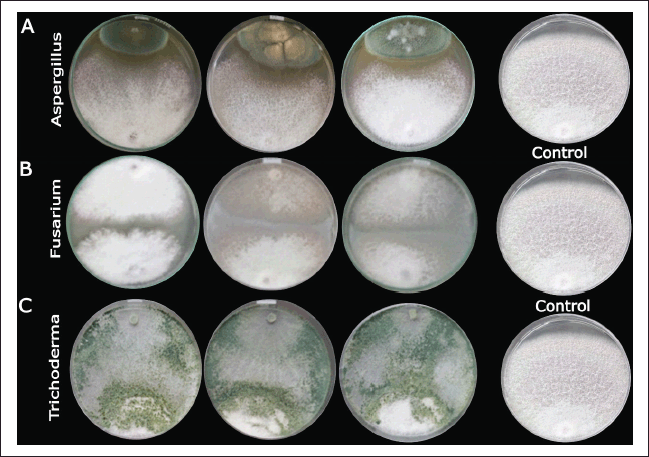 | Figure 3. Macroscopic observation of dual cultures of fungi from the genera Aspergillus (A), Fusarium (B), and Trichoderma (C) exhibiting antagonistic activity against the toxigenic strain F. verticillioides H08. [Click here to view] |
The antagonistic activity of filamentous fungi against F. verticillioides was evidenced by the reduction in colony growth, consistent with previous reports by Mirsam et al. [65] and Ferrigo et al. [66]. Alterations in the morphology of the pathogen’s hyphae were also observed, which may be associated with enzymatic lysis of the cell wall mediated by β-(1,3)-glucanases, chitinases, and cellulases [67].
The mechanisms by which filamentous fungi exhibit antagonism include competition for space and nutrients [66], mycoparasitism associated with enzymatic activity [68], modulation of genes related to induced systemic resistance and systemic acquired resistance [66], biotransformation of mycotoxins [69], as well as the production of bioactive compounds [70] and volatile compounds [71]. The inhibition area of F. verticillioides H08 colony growth reached 89%. This value was higher than the 57.4% inhibition previously reported for F. verticillioides by Trichoderma harzianum [66].
The specific reduction of the fungal colony area was subsequently evaluated using only the selected microorganisms: Bacillus sp. strain 10E, Bacillus sp. strain 42C, Pseudomonas sp. strain 81D, Trichoderma sp. strain 3, Trichoderma sp. strain 17, and Trichoderma sp. strain 14. The inhibition of colony growth of the toxigenic fungus ranged from 43.39% to 48.26% when treated with bacteria and from 80.96% to 84.94% when treated with filamentous fungi. Regarding colony morphology, changes in color, texture, and colony margin were observed in the toxigenic fungus, particularly due to the effect of the filamentous fungus Trichoderma spp., whereas no such changes were observed with antagonistic bacteria. The inhibition of F. verticillioides colony growth by the microorganisms selected in the first assay ranged from 50.17% to 77.85% for the bacterial isolates and 86%–89% for the fungal isolates. However, in the second assay, conducted under similar conditions, the inhibition ranges decreased to 43.39%–48.26% and 80.96%–84.94%, respectively. This more pronounced reduction in bacterial antagonistic activity may be attributed to the effects of in vitro subculturing on the antagonists, consistent with the findings of Clough et al. [72] and Valeros et al. [73]. In an initial assay, five strains of the phytopathogen Ralstonia solanacearum were inhibited by the cell-free supernatants of fluorescent Pseudomonas spp.; however, in subsequent assays, the inhibitory effect declined. This reduction was attributed to the development of increased tolerance in the phytopathogen, resulting from reduced susceptibility to the lipopeptide antimicrobials secreted by the antagonists [72]. Likewise, after eight in vitro subcultures, the entomopathogenic fungus Metarhizium rileyi exhibited changes in colony morphology, reduced germination and sporulation rates, and decreased virulence against Spodoptera frugiperda larvae [73].
Macroscopic alterations in the colony of the toxigenic F. verticillioides H08 caused by antagonism from Trichoderma spp. strains 3, 17, and 14 included a shift of the mycelium to a white coloration and the development of an irregular colony margin, in contrast to the red coloration and regular margin observed in the control. Microscopically, plates showing antagonistic activity exhibited deformed, collapsed, and coiled hyphae, with few conidia and the absence of conidial chains, unlike the control plates.
The Kruskal–Wallis test indicated significant differences in the percentage of inhibition of F. verticillioides H08 colony growth among the seven treatments. The Dunn’s test showed that the highest inhibition value was obtained with Trichoderma sp. strain 3, with no significant differences compared to Trichoderma sp. strains 14 and 17, but with significant differences compared to the three bacterial strains evaluated in this study (Fig. 4).
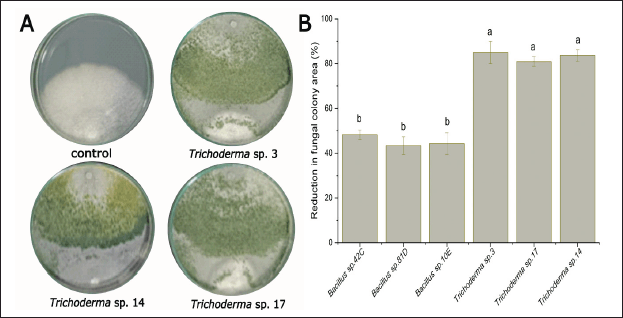 | Figure 4. A) Macroscopic observation of the dual culture of antagonistic Trichoderma spp. strains against the toxigenic F. verticillioides H08. B) Reduction in the colony area of toxigenic F. verticillioides H08 caused by antagonistic bacteria and filamentous fungi. Different letters indicate significant differences among treatments (p < 0.05). [Click here to view] |
3.3.2. Reduction of total fumonisins
After 4 days of co-culture, the mycelial growth of toxigenic F. verticillioides H08 was limited in the presence of antagonistic bacteria and filamentous fungi. Maize grains from the treatments showed a green coloration due to the growth and sporulation of the antagonistic fungi, whereas in the control treatment, the maize grains were colonized by the characteristic white filamentous mycelium of F. verticillioides.
The concentration of total fumonisins produced by the toxigenic fungus ranged from 713.33-821.67 ppb in co-cultures with antagonistic bacteria, while it ranged from 9.68 to 576.67 ppb in co-cultures with antagonistic filamentous fungi. The highest percentage reduction of the toxin (99.77%) was observed with Trichoderma sp. strain 3.
ANOVA revealed significant differences in the percentage reduction of fumonisin produced by toxigenic F. verticillioides H08 among the seven treatments. Tukey’s test indicated that the greatest reduction in fumonisin concentration was achieved with Trichoderma sp. strain 3, showing no significant differences compared with Trichoderma sp. strain 17, but significant differences compared with the other treatments (Fig. 5).
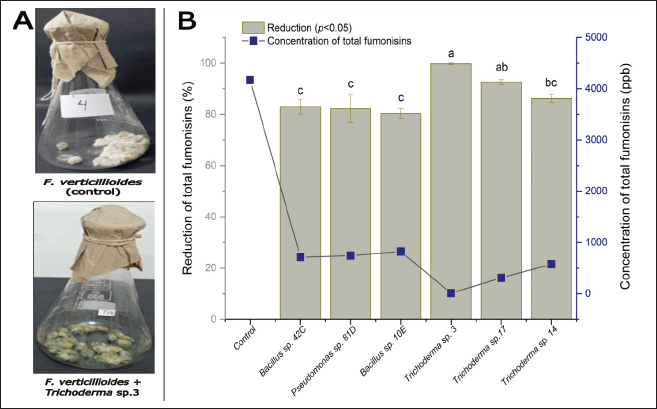 | Figure 5. (A) Observation of the mycelial growth of toxigenic F. verticillioides H08 in co-culture with Trichoderma sp. strain 3 on maize grains. B) Reduction and concentration of total fumonisins produced by toxigenic F. verticillioides H08 in the presence of antagonistic bacteria and filamentous fungi. Different letters indicate significant differences among treatments (p < 0.05). [Click here to view] |
Trichoderma sp. strain 3 showed the highest efficiency in controlling F. verticillioides, reducing colony growth by 84.94% and the concentration of total fumonisins produced by 99.77%. The antagonistic bacteria and fungi evaluated in this study reduced both colony growth and total fumonisin production by F. verticillioides, as also demonstrated by Bennett et al. [57] and Strub et al. [25]. Similarly, Zanon et al. [20] showed that Bacillus velezensis reduced the growth of F. graminearum by 45.3% and decreased the production of the mycotoxin deoxynivalenol by 81.8%, whereas Lactobacillus plantarum reduced the growth of F. graminearum by 32% but did not reduce toxin production.
Fungi of the genus Trichoderma showed the highest percentage of inhibition of F. verticillioides colony growth. This result is consistent with several previous studies demonstrating the antagonistic capacity of different species within this genus, including T. harzianum, Trichoderma asperellum, Trichoderma erinaceum [74], and Trichoderma viride [67]. In addition, adhesion, coiling, penetration, and lysis of F. verticillioides hyphae by T. harzianum have been reported [67].
The antagonistic activity of Trichoderma spp. varies depending on the species, as reported by Jambhulkar et al. [74], who observed inhibition of F. verticillioides growth of up to 80% with Trichoderma brevicompactum and Trichoderma atroviride, 85% with T. harzianum and Trichoderma ghanense, and 75% with T. asperellum. Variability has even been observed among strains of the same species, as described for T. harzianum, which reached inhibition percentages of 80% with strain 4, 85% with strain 6, and 87% with strain 29.
Trichoderma spp. have also demonstrated plant growth-promoting properties and the ability to control root rot under field conditions [74]. Likewise, T. harzianum reduced the incidence of maize ear rot by 30.7%–37.1% and disease severity by 32.6%–43.5%, in addition to markedly decreasing contamination with deoxynivalenol and eliminating fumonisin in maize grains [66].
3.4. Molecular Identification of the Microorganism with the Highest Efficiency in the Control of Toxigenic F. verticillioides
The filamentous fungus Trichoderma sp. strain 3 demonstrated the highest efficiency in controlling the toxigenic strain of F. verticillioides. Therefore, a molecular analysis was performed to identify this strain at the species level. Comparison of its ITS sequence (GenBank accession number: PX974310.1) using BLASTN searches and the BOLD database, followed by phylogenetic inference with other filamentous fungi, indicated that Trichoderma sp. strain 3 corresponds to an isolate of T. atroviride, although it shows close phylogenetic affinity with T. koningii (Fig. 6).
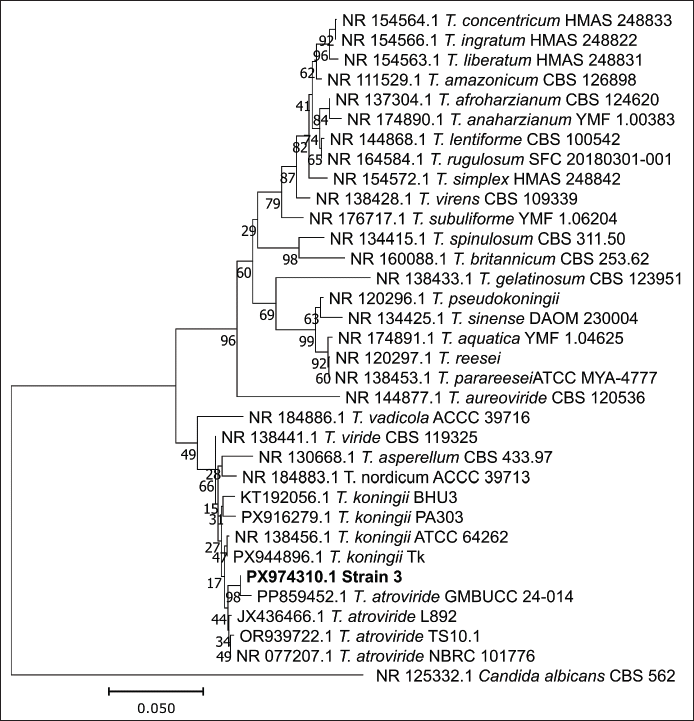 | Figure 6. Phylogenetic tree inferred from the ITS region of multiple filamentous fungal species, including Trichoderma sp. strain 3, with bootstrap values shown at branch nodes and Candida albicans used as the outgroup. [Click here to view] |
Although the initial identification of the strain was performed by sequencing the ITS region, several studies have demonstrated that this region has limited discriminatory power for closely related species within the genus Trichoderma, particularly between T. koningii and T. viride [75,76]. In such cases, analyses based solely on ITS sequences may yield high similarity percentages with multiple species, making a conclusive taxonomic assignment difficult. For this reason, a more robust identification approach involves multilocus analyses incorporating markers with greater resolving power, such as the translation elongation factor 1-α gene, considered one of the most informative markers for Trichoderma, as well as RPB2 and calmodulin [77,78].
In the present study, the highest efficiency in controlling F. verticillioides, measured as inhibition of colony growth and reduction of fumonisin production, was achieved with T. atroviride strain 3. These findings are consistent with the results reported by Jambhulkar et al. [74] and Tian et al. [69]. The mechanisms by which Trichoderma spp. act as biological control agents against phytopathogens include the production of lytic enzymes (chitinases, glucanases, and proteases), the synthesis of bioactive secondary metabolites, and the ability to promote both systemic acquired resistance and induced systemic resistance in plants [68,79]. An important advantage of native fungi as biocontrol agents is their better adaptation to the environmental conditions in which they will be applied [71]. In this context, the T. atroviride strain recovered in this study shows potential for use as a biocontrol agent against toxigenic F. verticillioides.
Although several studies have reported the biological control of F. verticillioides [17,21], the present study differs from previously published work in three main aspects. First, it employs native bacteria and fungi isolated directly from local maize in Lambayeque, ensuring high ecological adaptability to the specific environmental conditions of the region. Second, rather than relying solely on in vitro radial growth assays, this study emphasizes a comparative in vivo approach using maize grains, simultaneously evaluating native bacteria and filamentous fungi under the same conditions. Third, while some previously reported antagonists inhibit fungal growth without significantly reducing toxin levels [27], or exhibit a reduction in toxin production that is reversible over time [25], our selected T. atroviride strain 3 demonstrated a highly efficient dual-action synergistic effect, reducing total fumonisin production (99.77%) alongside strong mycelial inhibition (84.94%). This dual efficacy highlights its superior practical potential for postharvest management compared to agents that target only the physical growth of the fungus.
4. CONCLUSION
The high proportion of bacteria and filamentous fungi isolated from maize samples showing antagonistic activity against the toxigenic F. verticillioides H08 strain highlights the potential of native microorganisms as biocontrol agents. Among the isolates evaluated, T. atroviride strain 3 stood out for its high efficacy, achieving a significant reduction in both mycelial growth (84.94%) and total fumonisin production (99.77%). These results suggest that this strain not only limits the development of the pathogen but also interferes with its toxigenic capacity, representing a key advantage for integrated management strategies. In this context, the use of T. atroviride strain 3 as a biocontrol agent could represent a sustainable alternative for reducing total fumonisin contamination in maize, thereby contributing to food safety and reducing reliance on synthetic fungicides.
5. AUTHORS’ CONTRIBUTIONS
All authors made substantial contributions to conception and design, acquisition of data, or analysis and interpretation of data; took part in drafting the article or revising it critically for important intellectual content; agreed to submit to the current journal; gave final approval of the version to be published; and agree to be accountable for all aspects of the work. All the authors are eligible to be author as per the International Committee of Medical Journal Editors (ICMJE) requirements/guidelines.
6. FUNDING
There is no funding to report.
7. CONFLICT OF INTEREST
The authors report no financial or any other conflicts of interest in this work.
8. ETHICAL APPROVALS
This study does not involve experiments on animals or human subjects.
9. DATA AVAILABILITY
All the data are available from the authors and shall be provided upon request.
10. PUBLISHER’S NOTE
All claims expressed in this article are solely those of the authors and do not necessarily represent those of the publisher, the editors and the reviewers. This journal remains neutral with regard to jurisdictional claims in published institutional affiliation.
11. USE OF ARTIFICIAL INTELLIGENCE (AI)-ASSISTED TECHNOLOGY
The authors declare that they have not used artificial intelligence (AI) tools for writing and editing of the manuscript, and no images were manipulated using AI.
REFERENCES
1. Thierry EAA, Ossamulu IF, Bala IA, Eustace D, Muhammad HK, Shnada AH, et al. Mycotoxins contamination of maize (Zea mays L) from different agroecological zones in Nigeria: a systematic review. J Food Compos Anal 2025;146:107991; CrossRef
2. Atnafu B, Chala A, Lemessa F, Bayissa W, Mohammed A, Gerbaba C. Effectiveness of storage facilities in managing toxigenic fungi and mycotoxins associated with stored maize (Zea mays L.). J Stored Prod Res 2025;111:102561; CrossRef
3. Gurikar C, Shivapraased D, Sabillón L, Gowda N, Siliveru K. Impact of mycotoxins and their metabolites associated with food grains. Grain Oil Sci Technol 2023;6:1–9; CrossRef
4. Estrada M. Principales enfermedades del maíz (Zea mays L.) en Ecuador. Rev Cient Agroecosistemas 2021;9(2):53–9.
5. Niaz W, Iqbal SZ, Ahmad K, Majid A, Haider W, Li X. Mycotoxins: a comprehensive review of its global trends in major cereals, advancements in chromatographic detections and future prospectives. Food Chem X 2025;27:102350; CrossRef
6. Mazzani C. Mohos toxigénicos y micotoxinas en maíz y otros cultivos en Venezuela. Rev Fac Agron 2022;47(1):224–45.
7. Rayhana R, Sangha J, Ruan Y, Liu Z. Harnessing machine learning for grain mycotoxin detection. Smart Agric Technol 2025;11:100923; CrossRef
8. Pinton P, Terciolo C, Payros D, Oswald IP. Mycotoxins hazard: the European view. Curr Opin Food Sci 2025;63:101306; CrossRef
9. Kushwaha S, Soni H, Tandon S, Singh G, Gandhi Y, Kumar V, et al. Fungal toxin (mycotoxin): introduction, sources and types, production, detection, and applications. Food Nutr 2025;1(1):100005; CrossRef
10. Ramírez-Camejo LA, Pérez MG, Gordón-Mendoza R. Morphological, molecular and pathogenicity characteristics of Fusarium verticillioides causing Fusarium ear rot of corn in Panama. Microb Pathog 2025;199:107237; CrossRef
11. Fusilier K, Chilvers MI, Limay-Rios V, Singh MP. Mycotoxin co-occurrence in Michigan harvested maize grain. Toxins 2022;14:431; CrossRef
12. Ducos C, Pinson-Gadais L, Chereau S, Richard-Forget F, Vásquez-Ocmín P, Cerapio JP, et al. Natural occurrence of mycotoxin-producing Fusaria in market-bought Peruvian cereals: a food safety threat for Andean populations. Toxins 2021;13:172; CrossRef
13. Shekhar R, Raghavendra VB, Rachitha P. A comprehensive review of mycotoxins, their toxicity, and innovative detoxification methods. Toxicol Rep 2025;14:101952; CrossRef
14. Azam MS, Ahmed S, Islam MN, Maitra P, Islam MM, Yu D. Critical assessment of mycotoxins in beverages and their control measures. Toxins 2021;13(5):1–26; CrossRef
15. Marshall H, Meneely JP, Quinn B, Zhao Y, Bourke P, Gilmore BF, et al. Novel decontamination approaches and their potential application for post-harvest aflatoxin control. Trends Food Sci Technol 2020;106:489–96; CrossRef
16. Sui Y, Liao Q, Leng J, Chen Z. Eco-friendly biocontrol strategies for management of postharvest fungal decays in kiwifruit: a review. Int J Food Microbiol 2025;432:111106; CrossRef
17. Navale VD, Vamkudoth KR. Unlocking the potential of Lactococcus lactis subsp. lactis BIONCL17752 strain on fumonisin B1 production by Fusarium verticillioides. Food Control 2025;168:110910; CrossRef
18. Diniz D, Figueiredo J, Lana U, Marins M, Silva D, Cota L, et al. Microorganisms from corn stigma with biocontrol potential of Fusarium verticillioides. Braz J Biol 2022;82:e262567; CrossRef
19. Evangelista AG, Nazareth TDM, Luz C, Dopazo V, Moreno A, Riolo M, et al. Bioprotective microorganisms as antifungal and mycotoxin-degrading agents in food animals production. Biocatal Agric Biotechnol 2025;66:103574.
20. Zanon MSA, Cavaglieri LR, Palazzini JM, Chulze SN, Chiotta ML. Bacillus velezensis RC218 and emerging biocontrol agents against Fusarium graminearum and Fusarium poae in barley: in vitro, greenhouse and field conditions. Int J Food Microbiol 2024;413:110580; CrossRef
21. Mitrovi? I, ?anak P, Živanov S, Farkaš H, Vasiljevi? M, ?uji? S, et al. Trichoderma harzianum in biocontrol of maize fungal diseases and relevant mycotoxins: from the laboratory to the field. J Fungi 2025;11(6):416; CrossRef
22. Galindo E, Sánchez A, Arispe J, Ramirez J, Castro E. Control of Fusarium verticillioides in genotypes of corn (Zea mays L.) with Trichoderma harzianum, Bacillus subtilis and copper in greenhouse. Eur J Phys Agric Sci 2020;8(1):29–38.
23. Li Q, Zhang D, Ye D, Zhang S, Ma Q, Bai H, et al. Biocontrol and mycotoxin mitigation: an endophytic fungus from maize exhibiting dual antagonism against Fusarium verticillioides and fumonisin reduction. J Fungi 2025;11(6):441; CrossRef
24. Legrand F, Picot A, Cobo-Díaz JF, Chen W, Le Floch G. Challenges facing the biological control strategies for the management of Fusarium head blight of cereals caused by F. graminearum. Biol Control 2017;113:26–38; CrossRef
25. Strub C, Dieye CAT, Nguyen PA, Constancias F, Durand N, Guendouz S, et al. Transcriptomes of the interaction between Fusarium verticillioides and a Streptomyces strain reveal the fungal defense strategy under the pressure of a potential biocontrol agent. Fungal Biol 2021;125:78–88; CrossRef
26. Kemp ND, Vaughan MM, Mccormick SP, Brown JA, Bakker MG. Sarocladium zeae is a systemic endophyte of wheat and an effective biocontrol agent against Fusarium head blight. Biol Control 2020;149:104329; CrossRef
27. Deroo W, De Troyer L, Dumoulin F, De Saeger S, De Boevre M, Vandenabeele S, et al. A novel in planta enrichment method employing Fusarium graminearum-infected wheat spikes to select for competitive biocontrol bacteria. Toxins 2022;14:222; CrossRef
28. Orji M, Agu K, Ikele M, Uwanta L, Ugwuoke G. Bioremediation of glyphosate polluted soil using fungal species. Int J Trend Sci Res Dev 2022;6(7):726–32.
29. Cabeza-Vásquez C, Reaño-Segundo Y, Sánchez-Purihuamán M, Barturen-Quispe A, Caro-Castro J, Vásquez-Llanos S, et al. Low-density polyethylene (LDPE) degradation by consortia of Chryseobacterium sp. and Methylorubrum spp. isolated from a solid waste landfill. Appl Environ Soil Sci 2025;9895980; CrossRef
30. Sánchez-Purihuamán M, Córdova-Rojas L, Caro-Castro J, Barturen-Quispe A, Vásquez-Llanos S, Robles-Castillo H, et al. Use of yeasts for the biological control of toxigenic Aspergillus sp. associated with Zea mays L. Int J Food Sci 2026;7627001; CrossRef
31. Uribe-Cortés TB, Silva-Rojas HV, Mendoza-Onofre LE, Velázquez-Cruz C, Rebollar-Alviter A. Identificación de especies de Fusarium aisladas de semillas sintomáticas y asintomáticas de maíz con base en el gen Tef-1α. Rev Fitotec Mex 2020;43(1):79–88; CrossRef
32. Leslie JF, Summerell BA. The fusarium laboratory manual. Blackwell Publishing, Ames, IA, 2006; CrossRef
33. Cruz R. Guía para el diagnóstico de laboratorio de enfermedad fúngica invasora por hongos filamentosos. Rev Chil Infectol 2014;31(2):173–9; CrossRef
34. Piontelli E. Aportes morfotaxonómicos en el género Aspergillus Link: claves para las especies ambientales y clínicas más comunes. Bol Micol 2008;23:49–66; CrossRef
35. Frisvad J, Samson R. Polyphasic taxonomy of Penicillium subgenus Penicillium. A guide to identification of food and air-borne terverticillate Penicillia and their mycotoxins. Stud Mycol 2004;49:1–74.
36. Pitt J, Hocking A. Fungi and food spoilage. 3rd edition, Springer, New York, NY, 2009.
37. Mita MM, Jannat M, Bashar S, Protic IA, Saha P, Masud MM, et al. Potential native bacilli reduce fumonisin contamination in maize. Agronomy 2022;12(11);2608; CrossRef
38. Guarniz J, Valdez J. Morphological identification of mycotoxigenic fungi in accessions of quinoa (Chenopodium quinoa Willd.) of the Peruvian coast and sierra. Sci Agropecu 2019;10(3):327–36; CrossRef
39. Da Silva Pereira L, Salomón AL, Campos Bermudez VA, Rius SP. Bioactive proteins from Trichoderma for the control of Fusarium: evaluation of antagonist efficacy and potential for agronomic application. Biocatal Agric Biotechnol 2025;67:103628.
40. Sreeja S, Siva M, Santhoshinii E, Saravanakumari K, Anith K. Profiling the bioactive metabolites of endophytic Bacillus involved in antagonistic interaction with the Fusarium pathogen of cowpea. Physiol Mol Plant Pathol 2025;140:102879; CrossRef
41. Krishnan SV, Anaswara PA, Nampoothiri KM, Kovács S, Adácsi C, Szarvas P, et al. Biocontrol activity of new lactic acid bacteria isolates against Fusaria and Fusarium mycotoxins. Toxins 2025;17(2):68; CrossRef
42. Holt J, Krieg N, Sneath P, Staley J, Williams S. Bergey’s manual of determinative bacteriology. 9th edition, Lippincott Williams & Wilkins, Baltimore, MD, 1994.
43. Amoah K, Cai J, Huang Y, Wang B, Shija VM, Wang Z, et al. Identification and characterization of four Bacillus species from the intestine of hybrid grouper (Epinephelus fuscoguttatus? × E. lanceolatus ?), their antagonistic role on common pathogenic bacteria, and effects on intestinal health. Fish Shellfish Immunol 2024;152:109795; CrossRef
44. Calderón-Arias C, Carmen-Calle K, Carreño-Farfán C, Estela-Campos C, Carbajal-Gamarra F, Barturén-Quispe A, et al. Efecto de bacterias rizosféricas de Prosopis limensis Benth. en el desarrollo de Solanum lycopersicum L. bajo estrés salino. Bioagro 2024;36(1):49–60; CrossRef
45. Moura-Mendes J, Cazal-Martinez C, Rojas C, Arrua A. Evaluación del potencial aflatoxigénico de aislados de Aspergillus flavus en modelo de maíz in vitro. Acta Biol Colomb 2023;28(1):135–42; CrossRef
46. Cenis JL. Rapid extraction of fungal DNA for PCR amplification. Nucleic Acids Res 1992;20(9):2380; CrossRef
47. Ratnasingham S, Hebert PDN. BOLD: the barcode of life data system (www.barcodinglife.org). Mol Ecol Notes 2007;7:355–64; CrossRef
48. Altschul S. Gapped BLAST and PSI-BLAST: a new generation of protein database search programs. Nucleic Acids Res 1997;25(17):3389–402; CrossRef
49. Tamura K, Stecher G, Kumar S. MEGA11: molecular evolutionary genetics analysis version 11. Mol Biol Evol 2021;38(7):3022–7; CrossRef
50. Gomes AL, Sousa RLM, Neves LAVD, Gloria EMD, Burbarelli MFC, Seno LDO, et al. Occurrence and co-exposure of aflatoxins and fumonisins in conventional and organic corn. Food Control 2024;165:110628.
51. Visagie CM, Meyer H, Yilmaz N. Maize–Fusarium associations and their mycotoxins: insights from South Africa. Fungal Biol 2024;128:2408–21; CrossRef
52. Singh H, Kaur H, Hunjan MS, Sharma S. Unveiling toxigenic Fusarium species causing maize ear rot: insights into fumonisin production potential. Front Plant Sci 2025;16:1516644; CrossRef
53. Rosa Junior O, Dalcin M, Nascimento V, Haesbaert F, Ferreira T, Fidelis R, et al. Fumonisin production by Fusarium verticillioides in maize genotypes cultivated in different environments. Toxins 2019;11(4):215; CrossRef
54. Muga FC, Workneh TS, Marenya MO. Deteriorative changes in maize kernels due to Aspergillus flavus Link and Fusarium verticillioides (Sacc.) Nirenberg. Acta Agric Slov 2019;114(1):69–74; CrossRef
55. Zyl K, Rose L, Viljoen A. Fusarium verticillioides FUM1 and FUM19 gene expression in maize kernels during early infection. Physiol Mol Plant Pathol 2019;108;101430; CrossRef
56. Beccari G, St?pie? ?, Onofri A, Lattanzio VMT, Ciasca B, Abdel Fatah SI, et al. In vitro fumonisin biosynthesis and genetic structure of Fusarium verticillioides strains from five Mediterranean countries. Microorganisms 2020;8:241; CrossRef
57. Bennett JS, Isakeit T, Borrego EJ, Odvody G, Murray S, Kolomiets MV. Identification of naturally occurring atoxigenic strains of Fusarium verticillioides and their potential as biocontrol agents of mycotoxins and ear rot pathogens of maize. Crop Prot 2023;167; CrossRef
58. Dinango VN, Eke P, Youmbi DY, Kepngop Kouokap LR, Toghueo Kouipou RM, Tamghe GG, et al. Endophytic bacteria derived from the desert-spurge (Euphorbia antiquorum L.) suppress Fusarium verticillioides, the causative agent of maize ear and root rot. Rhizosphere 2022;23;100562; CrossRef
59. Guo Z, Zhang X, Wu J, Yu J, Xu M, Chen D, et al. In vitro inhibitory effect of the bacterium Serratia marcescens on Fusarium proliferatum growth and fumonisins production. Biol Control 2020;143;104188; CrossRef
60. Chavéz-Díaz IF, Cruz-Cárdenas CI, Sandoval-Cancino G, Calvillo-Aguilar FF, Ruíz-Ramírez S, Blanco-Camarillo M, et al. Seedling growth promotion and potential biocontrol against phytopathogenic Fusarium by native rhizospheric Pseudomonas spp. strains from Amarillo Zamorano maize landrace. Rhizosphere 2022;24;100601; CrossRef
61. Jahuddin R, Jamila, Awaluddin, Suriani. Exploration and screening for endophytic microbes of maize plant root against Fusarium verticillioides. J HPT Tropika 2018;18(1):57–64; CrossRef
62. Castro E, Gallegos G, Ochoa Y. Actividad antifúngica de bacterias endófitas para el control de Fusarium verticillioides en maíz. Ecosist Recur Agropec 2021;8(2); CrossRef
63. Figueroa-López AM, Cordero-Ramírez JD, Martínez-Álvarez JC, López-Meyer M, Lizárraga-Sánchez GJ, Félix-Gastélum R, et al. Rhizospheric bacteria of maize with potential for biocontrol of Fusarium verticillioides. SpringerPlus 2016;5:330; CrossRef
64. Nguyen PA, Strub C, Lagrée M, Bertrand-Michel J, Schorr-Galindo S, Fontana A. Study of in vitro interaction between Fusarium verticillioides and Streptomyces sp. using metabolomics. Folia Microbiol 2019; CrossRef
65. Mirsam H, Kalqutny SH, Suriani, Aqil M, Azrai M, Pakki S, et al. Indigenous fungi from corn as a potential plant growth promoter and its role in Fusarium verticillioides suppression on corn. Heliyon 2021;7;e07926; CrossRef
66. Ferrigo D, Mondin M, Ladurner E, Fiorentini F, Causin R, Raiola A. Effect of seed biopriming with Trichoderma harzianum strain INAT11 on Fusarium ear rot and Gibberella ear rot diseases. Biol Control 2020;147;104286; CrossRef
67. Yassin M, Mostafa A, Askar A, Sayed S, Rady A. Antagonistic activity of Trichoderma harzianum and Trichoderma viride strains against some fusarial pathogens causing stalk rot disease of maize in vitro. J King Saud Univ Sci 2021;33;101363; CrossRef
68. Karuppiah V, He A, Lu Z, Wang X, Li Y, Chen J. Trichoderma asperellum GDFS1009-mediated maize resistance against Fusarium graminearum stalk rot and mycotoxin degradation. Biol Control 2022;174;105026; CrossRef
69. Tian Y, Yu D, Liu N, Tang Y, Yan Z, Wu A. Confrontation assays and mycotoxin treatment reveal antagonistic activities of Trichoderma and the fate of Fusarium mycotoxins in microbial interaction. Environ Pollut 2020;267;115559; CrossRef
70. Khan R, Ghazali F, Mahyudin N, Samsudin N. Biocontrol of aflatoxins using non-aflatoxigenic Aspergillus flavus: a literature review. J Fungi 2021;7(5):381.
71. Younesi H, Bazgir E, Darvishinia M, Chehri K. Selection and control efficiency of Trichoderma isolates against Fusarium oxysporum f. sp. ciceris in Iran. Physiol Mol Plant Pathol 2021;116;101731; CrossRef
72. Clough S, Elphinstone J, Friman V. Plant pathogenic bacterium Ralstonia solanacearum can rapidly evolve tolerance to antimicrobials produced by Pseudomonas biocontrol bacteria. J Evol Biol 2024;37:225–37; CrossRef
73. Valeros J, Garcia T, Sabino N, Navasero M, Montecalvo M. Effect of successive subculturing on virulence, growth, and germination of fungus Metarhizium rileyi for biological control of fall armyworm. Philipp Agric Sci 2025;108(4):406–12; CrossRef
74. Jambhulkar PP, Raja M, Singh B, Katoch S, Kumar S, Sharma P. Potential native Trichoderma strains against Fusarium verticillioides causing post-flowering stalk rot in winter maize. Crop Prot 2022;152;105838; CrossRef
75. Druzhinina IS, Kopchinskiy AG, Komo? M, Bissett J, Szakacs G, Kubicek CP. An oligonucleotide barcode for species identification in Trichoderma and Hypocrea. Fungal Genet Biol 2005;42(10):813–28.
76. Samuels GJ, Dodd SL, Gams W, Castlebury LA, Petrini O. Trichoderma species associated with the green mold epidemic of commercially grown Agaricus bisporus. Mycologia 2002;94(1):146–70; CrossRef
77. Jaklitsch WM, Voglmayr H. Biodiversity of Trichoderma (Hypocreaceae) in southern Europe and Macaronesia. Stud Mycol 2015;80:1–87; CrossRef
78. Druzhinina IS, Seidl-Seiboth V, Herrera-Estrella A, Horwitz BA, Kenerley CM, Monte E, et al. Trichoderma: the genomics of opportunistic success. Nat Rev Microbiol 2011;9:749–59; CrossRef
79. Sharma A, Salwan R, Sharma V. Extracellular proteins of Trichoderma and their role in plant health. S Afr J Bot 2022;147:359–69; CrossRef