
1. INTRODUCTION
Diabetes mellitus, particularly type 2, continues to rise globally. In 2021, an estimated 529 million people were living with diabetes, with a global prevalence of 6.1% [1]. Of this total, approximately 90% were cases of type 2 diabetes, a proportion that is expected to continue to dominate the rise in diabetes rates through 2050 [2]. Data from the International Diabetes Federation Atlas indicate that the number of people with diabetes aged 20–79 years is projected to surge from approximately 537 million (10.5%) in 2021 to 783 million (12.2%) by 2045 [3]. Indonesia itself remains among the top 10 countries with the highest rates of type 2 diabetes, with a prevalence among adults of approximately 10.8% [4]. North Sulawesi ranked fourth nationally with a prevalence of 8.5% in 2018, and this figure continues to rise [5]. Without meaningful intervention, the prevalence of diabetes in Indonesia is projected to rise from 9.19% (18.7 million cases) in 2020 to 16.09% (40.7 million cases) by 2045 [6]. This growing burden underscores the need for accessible and innovative dietary strategies for the prevention and management of diabetes.
Importantly, the pathogenesis and progression of type 2 diabetes mellitus (T2DM) and its cardiovascular complications are linked to oxidative stress. This condition results from an imbalance between reactive oxygen species (ROS) production and the body’s antioxidant defenses [7]. In T2DM, hyperglycemia increases oxidative stress through mechanisms such as advanced glycation end products and mitochondrial dysfunction. These changes lead to increased ROS, cellular damage, impaired beta-cell function, and insulin resistance. They also contribute to vascular complications such as retinopathy, nephropathy, and cardiovascular disease [8]. Dietary strategies that manage postprandial glucose and provide antioxidant protection hold significant therapeutic importance [9]. This dual benefit highlights the need to evaluate the antidiabetic and antioxidant potential of functional food.
Developing functional foods enriched with flavonoids, polyphenols, and other bioactive compounds offers a promising strategy for glycemic control. Many of these phytochemicals inhibit α-glucosidase, thereby slowing carbohydrate digestion and dampening postprandial glucose spikes [10–12]. Beyond enzyme inhibition, flavonoids and phenolics also act as antioxidants by scavenging free radicals, chelating metal ions, and upregulating endogenous defense enzymes such as superoxide dismutase and catalase [13]. This dual functionality benefits diabetes management, as oxidative stress exacerbates insulin resistance and contributes to diabetic complications, including neuropathy, nephropathy, and cardiovascular disease [14,15]. Therefore, functional foods combining α-glucosidase inhibition and antioxidant capacity offer a holistic approach to mitigating both hyperglycemia and oxidative damage [16]. Inhibiting the α-glucosidase enzyme reduces glucose absorption and stabilizes blood sugar levels. This is relevant for the prevention and management of T2DM [17].
Indonesia faces challenges to food sovereignty, especially its dependence on imported food products. Nori is a popular snack in Indonesia, made from dried red algae (Porphyra sp.), but most of it is imported [18]. Nori was chosen as the product format in this study for strategic reasons. First, the nori format has practical advantages as a light, long-lasting, ready-to-eat snack that requires no preparation. This makes it suitable for today’s fast-paced lifestyle [19]. Second, nori snacks are highly accepted among Indonesian youth—a key demographic for functional food innovation. Recent studies show that teenagers and young adults in Indonesia respond positively to nori snacks. This preference is driven by attractive packaging, flavors, and the perception of nori as a healthy alternative [20,21]. Third, demand for imported nori and raw materials increased from about 122,847 tons in 2018 to 633,760 tons by 2023 [22]. This reliance on imports presents both a challenge to food sovereignty and an economic opportunity. Substituting imports with locally sourced nori-like functional foods can provide both economic and health benefits.
Sea grapes (Caulerpa racemosa) are a green seaweed that is an underutilized Indonesian biological resource, often consumed fresh by coastal communities in the Sangihe Islands, North Sulawesi (locally known as lahe) [23]. This green seaweed has attracted increasing scientific attention due to its promising nutritional and health benefits. Magdugo et al. [24] provided a comprehensive analysis of C. racemosa from the Philippines, demonstrating its rich composition of essential amino acids, minerals, and bioactive compounds, which underpins its potential as a functional food ingredient. Furthermore, Taslim et al. [25] reported that Indonesian C. racemosa extracts exhibit significant antioxidant activity and a beneficial metabolite profile, supporting its traditional use and potential for modern food applications. The broader economic potential of this genus is highlighted in a recent review by Windarto et al. [26], which positions Caulerpa as a "green gold" with expanding opportunities in global seaweed markets. Beyond its nutritional value, C. racemosa is reported to be rich in phytochemicals, peptides, and polyunsaturated fatty acids [27], and preliminary in vitro studies have shown its potential anti-diabetic and antioxidant properties [28–31]. However, preliminary studies have explored nori-like products from other local seaweeds such as Ulva lactuca and Eucheuma cottonii [32], Gelidium sp. [33], and Kappaphycus alvarezii [34].
Similarly, Ormocarpum cochinchinense is a local leafy vegetable traditionally consumed by communities in the Nusa Utara archipelago (Sangihe, Talaud, Siau, Tagulandang, and Biaro). This plant is known as luhu among the Nusa Utara communities. Luhu has been reported to contain bioactive compounds, including flavonoids, tannins, and phenols, which are associated with its antioxidant and therapeutic potential [35–37]. However, the strategic combination of C. racemosa and O. cochinchinense to create nori-like functional foods has not been reported previously.
This study is unique in developing a nori-like product from a new combination of C. racemosa and O. cochinchinense leaves. Both ingredients are reported to have antidiabetic and antioxidant potentials. This study provides comprehensive characterization, including nutritional profiles (proximate composition and dietary fiber), sensory acceptance, and assessment of anti-diabetic and antioxidant potential in vitro through α-glucosidase inhibition and 2,2-diphenyl-1-picrylhydrazyl (DPPH) radical scavenging assays. The research is based on promoting local food sovereignty. It aims to transform two underutilized indigenous Indonesian resources into value-added functional foods. This strategy not only enhances product acceptance in local communities by using familiar ingredients such as luhu leaves but also helps build trust in the brand. It also reduces import dependency and strengthens regional economic resilience, especially in archipelago regions.
Therefore, this study was conducted to develop and characterize a nori-like functional product from a combination of sea grape (C. racemosa) and luhu leaves (O. cochinchinense). Comprehensive characterization was performed, including analysis of the nutritional profile (proximate composition and dietary fiber content) and sensory acceptance evaluation. In addition, this study aimed to assess the biofunctional properties in vitro of nori-like products by determining α-glucosidase inhibitory activity, an indicator of anti-diabetic potential, and DPPH radical scavenging activity, an indicator of antioxidant capacity. The findings from this study provide a basis for the potential development of this nori-like product as a dietary strategy for the management of T2DM in Indonesia and also a foundation for future in vivo studies to confirm these health benefits.
2. MATERIALS AND METHODS
2.1. Raw Materials and Chemicals
Caulerpa racemosa was collected from two coastal locations in the Sangihe Islands, North Sulawesi, Indonesia: Lapango (3.396377°N, 125.588721°E) and Mahumu (3.410093°N, 125.567335°E). Luhu leaves (O. cochinchinense) and supporting materials were purchased from the Towoe traditional market in Tahuna, Sangihe Islands (3.608779°N, 125.503336°E). The Indonesian Biology Generation Foundation botanically identified the luhu plant (Service Order ID: BT-072473). Fresh samples of C. racemosa and O. cochinchinense leaves were collected during the dry season, specifically between June and August 2025. This period is characterized by hot weather and minimal rainfall in the Sangihe Islands region, which represents the typical harvest season for these local resources. Fresh C. racemosa samples were transported in a cooler and processed within 24 hours. The sampling locations are illustrated in Figure 1. All chemicals and reagents used were of analytical grade; enzymes, including α-glucosidase, 4-nitrophenyl-α-D-glucopyranoside (pNPG), DPPH, and other chemicals for enzymatic assays, were sourced from Merck and Sigma-Aldrich.
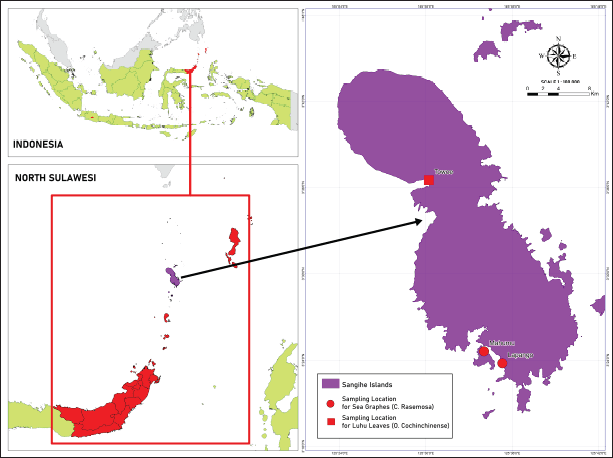 | Figure 1. Sample collection sites for C. racemosa and O. cochinchinense [Click here to view] |
2.2. Development of the Nori-Like Sheet
The nori-like sheets were developed using formulations optimized from preliminary studies [38]. Sea grapes and luhu leaves collected from the Sangihe Islands are shown in Figure 2. Sea grapes were washed with running tap water to reduce adhering dirt and salt content. Next, the sea grapes were soaked in fresh water overnight, with the water changed every 3 hours. After that, the sea grapes were soaked in a 5% (w/v) lime solution (Ca(OH)?) for 5 hours, followed by rinsing with fresh water until the rinse water was clear. The drained sea grapes were boiled in boiling water for 5 minutes, drained, and pureed into a smooth paste. The luhu leaves are washed with running water and boiled for 5 minutes. The boiled leaves are then pureed into a homogeneous paste. Sea grape paste (43.29%) and luhu leaf paste (43.29%) were mixed with supporting ingredients and a binder. The complete formulation, including the percentage of each ingredient, is presented in Table 1. The homogeneous solution was spread evenly into a heat-resistant glass container to form a thin sheets (~2 mm thick). Drying was carried out in a microwave oven (SHARP Microwave R-728) at 140 Watts for 18–24 minutes, in accordance with the optimization by Montolalu et al. [39], with modifications to better prevent reduction of bioactive compounds.
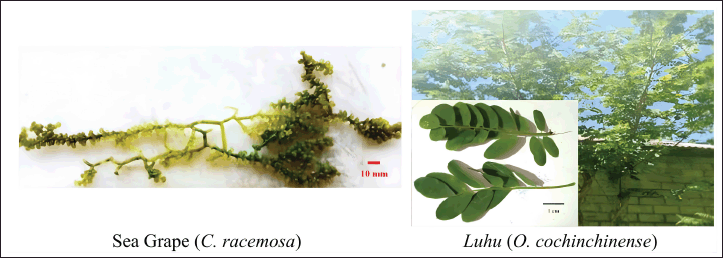 | Figure 2. Samples of sea grape and luhu leaves. [Click here to view] |
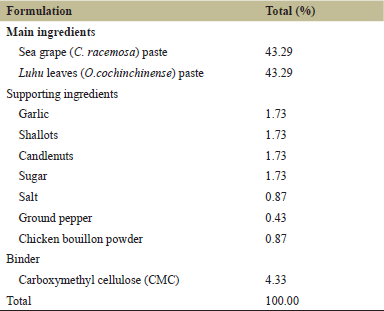 | Table 1. Formulation of the nori-like sheets from sea grapes (C. racemosa) and luhu leaves (O. cochinchinense). [Click here to view] |
2.3. Proximate Composition and Dietary Fiber Analysis
The proximate composition of the nori-like sheets was evaluated in accordance with Indonesian National Standards (SNI). Moisture, ash, protein, and fat content were analyzed in accordance with (SNI 01-2891-1992) [40]. The carbohydrate content was determined in accordance with AOAC International methods [41]. Total calorie value was calculated using the Atwater conversion factors as recommended by the Food and Agriculture Organization [42]. Total dietary fiber content, water-soluble fiber content, and water-insoluble fiber content were evaluated using the enzymatic-gravimetric method (AOAC) [43]. All analyses were performed in triplicate (n = 3) and presented as the mean ± standard deviation (SD).
2.4. Sensory Evaluation
Sensory acceptance evaluation was conducted in accordance with the SNI for organoleptic/sensory testing (SNI 01-2346-2006) using a hedonic scale [44]. The evaluation involved 30 semi-trained panelists (university students who had studied sensory evaluation techniques). Samples of the nori-like sheets were presented in random order in plastic containers. The testing was conducted under sufficient white light to minimize blurring. The panelists evaluated the appearance, aroma, taste, and texture parameters using a nine-point hedonic scale (1 = extremely dislike, 5 = neutral, 9 = extremely like). The hedonic score sheets was presented in Table 2. Verbal informed consent was obtained from all panelists prior to participation, and their anonymity was protected by assigning panelist codes in place of personal identifiers.
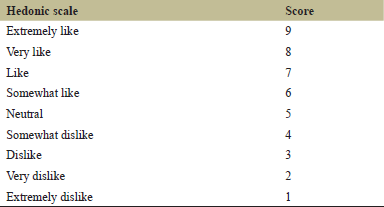 | Table 2. Sensory evaluation score sheets with hedonic scale. [Click here to view] |
2.5. In vitro α-Glucosidase Inhibitory Activity Assay
The inhibitory activity of α-glucosidase was determined using the method described by Febrinda et al. [45] and Miller and Joubert [46], with slight modifications. The nori-like sheets was ground into a fine powder and extracted with methanol (1:10, w/v) for 24 hours. Next, the extract was filtered and stored for testing. The test was conducted in three replicates, with concentrations of 25, 50, 75, 100, and 125 mg/L. The reaction mixture contained 50 μl of 0.1 M phosphate buffer solution (pH 6.8), 25 μl of sample extract at various concentrations, and 25 μl of α-glucosidase solution (0.5 mg/L). After initial incubation at 37°C for 10 minutes, 25 μl of 5 mM pNPG substrate was added to start the reaction. The mixture was then incubated at 37°C for 30 minutes, after which the reaction was stopped by adding 100 μl of 0.2 M sodium carbonate solution. The amount of p-nitrophenol released was measured spectrophotometrically at 405 nm (Shimadzu UV-VIS 1800). A comparative control was prepared using acarbose, a negative control was prepared using buffer, and a blank was prepared using buffer instead of both the sample and the enzyme. Inhibition activity was calculated as a percentage using the following formula:
 |
The IC?? value (concentration required to inhibit 50% of enzyme activity) was determined from the regression line of percentage inhibition versus sample concentration. The analysis was performed in triplicate (n = 3), and the data are presented as the mean ± SD.
2.6. In vitro DPPH Scavenging Activity Assay
The antioxidant activity of extracts from nori-like sheets was evaluated using a modified DPPH free radical scavenging assay [47,48]. Methanol extracts were serially diluted to 25, 50, 75, 100, and 125 mg/L. An aliquot of each dilution (1 ml) was mixed with 1 ml of 350 mg/L DPPH solution, homogenized, and incubated in darkness at ambient temperature for 30 minutes. Absorbance was then read at 517 nm (Shimadzu UV-VIS 1800). A methanol-DPPH mixture served as the negative control, while vitamin E was used as the reference standard. This assay was performed in duplicate (n = 2), and data were presented as mean ± SD. The percentage of DPPH radical scavenging activity was calculated using the equation:
 |
A control is the absorbance of the control, and A sample is the absorbance of the sample. The IC?? value, which is the concentration of extract required to neutralize 50% of DPPH radicals, was determined through linear regression analysis of the concentration–response curve.
2.7. Preliminary Phytochemical Analysis
The prepared methanol extract of the nori-like sheets was analyzed to determine the presence of flavonoids, alkaloids, phenolics, saponins, tannins, steroids, and terpenoids, according to the method described by Harborne [49]. Positive results of this test were evaluated by observing precipitate formation or color changes.
2.8. Data Analysis
Proximate analysis data were obtained in triplicate (n = 3), and the data are presented as mean ± SD. To determine the IC?? values, simple linear regression analysis was performed by plotting percent inhibition against extract concentration. The α-glucosidase inhibition assay was conducted in triplicate (n = 3), while the DPPH radical scavenging assay was conducted in duplicate (n = 2) due to limited extract volume. Data from both assays are presented as mean ± SD. Sensory acceptance data from 30 semi-trained panelists were analyzed descriptively by calculating the mean and SD of hedonic scores for each sensory attribute, with the number of panelists serving as the replicate (n = 30). All calculations of means and SDs were performed using Microsoft Excel Home and Student 2021.
3. RESULTS AND DISCUSSION
3.1. Nutritional Profile of the Nori-Like Sheet
The proximate composition and dietary fiber content of the developed nori-like sheets are presented in Table 3. The results of the proximate and fiber analysis are reported as means ± SD. The proximate analysis of the nori-like sheets shows the typical characteristics of seaweed-based foods, with high carbohydrate and dietary fiber content, moderate protein, and low fat, resulting in a caloric value of 308.66 Kcal/100 g. These analysis results indicate that nori-like sheets are nutritionally beneficial as functional snacks, providing sufficient energy while being low in fat. Therefore, this nori-like sheets (Fig. 3), developed from a combination of C. racemosa seaweed and luhu leaves (O. cochinchinense), has a nutritional profile comparable in some respects to Porphyra-based nori, particularly high protein and low fat.
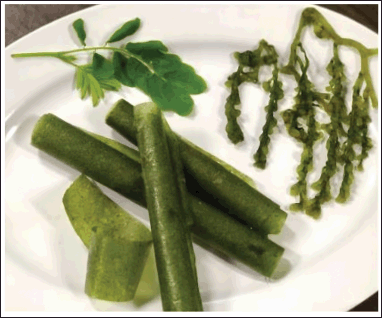 | Figure 3. Nori-like sheets from sea grape (C. racemosa) and luhu leaves (O. cochinchinense). [Click here to view] |
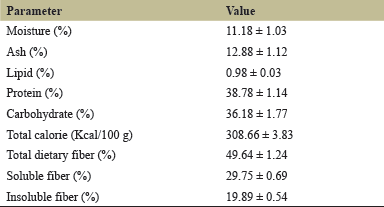 | Table 3. Proximate composition and dietary fiber content of the nori-like sheet. [Click here to view] |
Figure 3 shows that the product resembles dark green to brownish nori sheets, visually similar to commercial nori made from Porphyra sp., which are typically dark green to blackish-green [50]. The surface is uniform with a slight gloss, comparable to commercial nori. The thickness is about 0.2–0.35 mm, slightly more than typical commercial nori (0.19–0.25 mm) [51]. The aroma of the nori-like sheets is dominated by supporting ingredients: pepper, shallots, garlic, and candlenuts. Interviews with panelists described the aroma as savory (umami), likely due to chicken broth powder and the glutamate in sea grapes.
Commercial nori from Porphyra sp. has been reported to contain 41.49% protein, 0.44% fat, 4.99% ash, and 13.14% moisture [52]. Nori has also been reported to contain approximately 33.2% protein, 2.8% fat, 37% carbohydrates, and 21.3% dietary fiber [53]. This nutritional composition is consistent with previous studies on seaweed-based food products, which generally have high carbohydrate and fiber with low fat [54]. Caulerpa racemosa also contains 17.92% of moisture, 47.85% of ash, 7.82% of lipid, 1.34% of crude fiber, and 25.06% of carbohydrate. Additionally, it contains 2.74% of Na, 0.32% of Mg, and 1.96% of Ca with water swelling capacity of 2.16 ml/g and water holding capacity of 6.56 g/g [55]. Ormocarpum cochinchinense leaves have been shown to enhance calcium and phosphorus levels in biological contexts [56].
The high protein content (38.78%) is a logical outcome of the ingredient selection. Sea grape paste and luhu leaf paste—each comprising 43.29% of the formulation—contribute protein at approximately 19.7%–20.3% [57] and 25.5% [58] on a dry basis, respectively. Chicken broth powder, though a minor component (0.87%), adds further protein (~14%) [59]. Microwave drying reduces moisture to roughly 11%, concentrating these solids while preserving protein integrity; retention rates above 97% have been reported for this method, outperforming conventional hot-air drying [60]. Thus, the high protein content in the nori-like sheets is not an anomaly but a direct reflection of the intrinsic quality of the selected local raw materials and of the concentration effect during production.
Beyond its impressive protein content, the product also exhibited a relatively high ash content, which merits further discussion. The relatively high ash content is thought to be due to the use of mineral-rich additives such as garlic, shallots, candlenuts, salt, and powdered chicken broth. Ash content indicates the total mineral content of a product [61]. Garlic is reported to contain various minerals, such as Ca, Fe, Mg, Mn, P, K, Na, Zn, and Se [62]. Shallots are also reported to contain macro- and micro-minerals, including Ca, Mg, K, Na, P, S, Fe, and Zn [63]. Candlenuts are reported to contain Ca and K [64]. Na is reported to be the main mineral content in salt and chicken bouillon powder [65,66]. In addition, the ash content is quite high, presumably originating from lime residue that may still be attached to the surface of sea grapes. This will be a concern in the future when developing nori-like products.
The low moisture content (11.18%) in nori-like sheets can confer microbiological advantages, including improved shelf life [67]. A significant finding is the very high dietary fiber content (49.64%), with a favorable ratio of water-soluble to water-insoluble dietary fiber (approximately 1.5:1). Water-soluble dietary fiber has been reported to help form a thick gel in the intestines that delays gastric emptying and slows glucose absorption, thereby contributing to better glycemic control [68,69]. The high dietary fiber content of this nori-like snack makes it a source of fiber that can help manage type 2 diabetes and improve digestive health.
3.2. Sensory Acceptance
Consumer acceptance testing of appearance, aroma, taste, and texture is an important factor in the development of functional foods [70]. Sensory acceptance results (Fig. 4) show that nori-like sheets scored favorably across all parameters, with an average score above 7.0 on a nine-point hedonic scale, indicating that panelists liked their appearance, aroma, taste, and texture. The panelists gave the highest hedonic scores for appearance and aroma (7.83 ± 0.89 and 7.77 ± 1.02, respectively), indicating that the product was visually appealing and had a pleasant aroma. The panelists also accepted the taste and texture well (7.63 ± 1.35 and 7.48 ± 1.33, respectively).
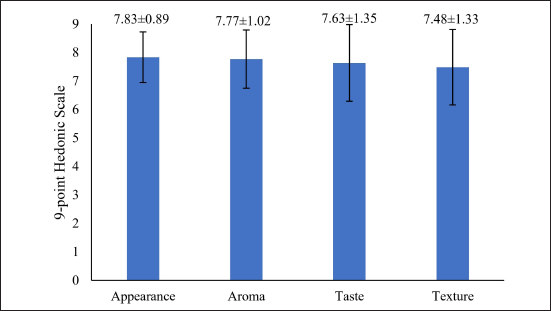 | Figure 4. Sensory evaluation scores of the nori-like sheet. [Click here to view] |
The taste profile of the nori-like sheets, as described by the panelists, indicated a balanced combination of savory (umami), slight sweetness, and a mild salty taste, without any significant bitterness or astringency. This contrasts favorably with some previously developed nori-like products derived from the algae U. lactuca and Gracilaria changii, which were reported to have an undesirable astringent taste [71]. The absence of astringency in the nori-like product we developed from sea grapes and luhu leaves can be attributed to the pretreatment process (soaking in a lime solution and boiling), which likely reduces oxalates and other bitter compounds in the sea grapes, as well as the addition of flavor-balancing ingredients (garlic, onion, sugar, and salt). When compared to commercial Porphyra nori based on literature, which has a characteristic umami flavor derived from high levels of free amino acids such as alanine, glutamic acid, and glycine [72], the nori-like product developed in this study has a more complex flavor profile due to the addition of traditional Indonesian spices, such as shallots, garlic, pepper, and candlenuts.
The texture profile of this nori-like product is crisp and rollable, similar to commercial nori snacks, with a satisfying crunch when bitten into. According to panelists, this nori-like product—made from a combination of sea grapes and luhu leaves—softens relatively quickly when chewed and exposed to saliva, without becoming overly chewy or sticky. This texture profile is comparable to commercial Porphyra nori, which is crisp and easy to chew. This texture profile can be achieved through microwave drying at controlled power levels, which effectively removes moisture (to about 10%–11%) and minimizes structural damage to the polysaccharide matrix (making it rollable) [73].
The high acceptance scores across all sensory parameters can be attributed to several factors. First, the use of familiar local ingredients (luhu leaves, garlic, shallots, and candlenuts) created a flavor profile that aligned with the culinary preferences of panelists from the North Nusa archipelago. This aligns with the findings of Annunziata and Vecchio [74], who emphasize that incorporating familiar ingredients is key to consumer acceptance of new functional foods. Second, the pre-treatment of sea grapes effectively reduced undesirable sensory attributes (excessive saltiness and potential bitterness) that have been reported in other nori-like products from tropical seaweeds [71]. Third, the microwave drying method preserved the natural color and prevented the development of off-flavors that can occur with prolonged thermal processing.
High acceptance of a functional food ingredient can bridge the gap between health functions and consumer preferences, a common challenge in developing functional foods [75]. The favorable sensory profile of this nori-like product suggests its potential for successful market acceptance, particularly among consumers familiar with traditional North Sulawesi cuisine.
3.3. In vitro Anti-Diabetic Activity
The anti-diabetic potential of nori-like sheets is determined by the inhibition of the α-glucosidase enzyme, the main therapeutic target for managing postprandial hyperglycemia [76]. Nori-like sheets extracts exhibited concentration-dependent inhibitory activity with an IC?? of 71.18 ± 0.11 mg/L (Fig. 5). While this is less potent than acarbose (IC?? = 23.04 ± 1.38 mg/L), the inhibitory activity of nori-like sheets may still provide a mild reduction in postprandial hyperglycemia when included in the diet.
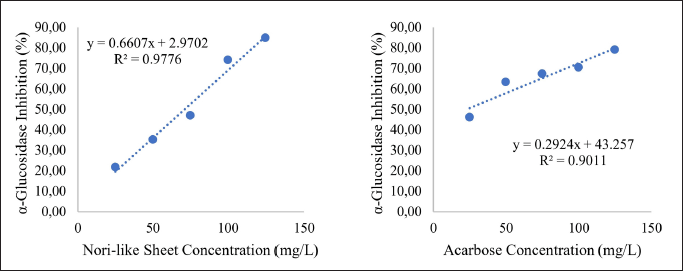 | Figure 5. Dose–response curve of β–glucosidase inhibition activity of nori-like sheets and acarbose. [Click here to view] |
The α-glucosidase inhibitory activity observed in our study is comparable to, or in some cases more potent than, findings reported for other C. racemosa-based products. Apriasih et al. [77] evaluated the anti-diabetic potential of Caulerpa species through flour fortification in noodles. They demonstrated that substituting C. racemosa flour for wheat flour in noodle products significantly reduced blood glucose levels in rat models and resulted in low-glycemic-index products. The study attributed this effect to flavonoid compounds acting as α-glucosidase inhibitors, findings that align with our phytochemical screening results and confirm the presence of flavonoids in our nori-like product.
In another study of fermented beverages made from C. racemosa, Permatasari et al. [78] and Augusta et al. [79] investigated sea grape kombucha tea and reported that this probiotic beverage exhibited ≥80%–90% inhibition of α-glucosidase and α-amylase activity in vitro, indicating a very strong antidiabetic effect. Importantly, Permatasari et al. [78] also reported that sea grape kombucha significantly reduced blood glucose levels in rats fed a high-fat/high-cholesterol diet, confirming the in vivo relevance of the in vitro findings. This supports the potential physiological benefits of functional foods based on C. racemosa, including the nori-like product we developed, despite differences in product format and processing methods.
The α-glucosidase inhibitory activity of our nori-like product is thought to be mediated by bioactive components contained in both main raw materials. Caulerpa racemosa has been reported to contain phenolic compounds and flavonoids, which can inhibit α-glucosidase by competitively binding to its active site [80]. Other studies have also shown that C. racemosa extract is rich in carotenoids and polyphenols and exhibits significant α-glucosidase inhibitory activity in vitro [31,81].
Similarly, the methanol extract of O. cochinchinense leaves has been reported to exhibit significant in vitro inhibitory activity against α-glucosidase and α-amylase. This indicates strong antidiabetic potential [82]. To date, no research reports have been found describing food or beverage products derived from luhu leaves (O. cochinchinense), but reports on their phytochemical profiles and enzymatic mechanisms strongly support the development of luhu leaf-based food fortification as an antidiabetic functional food.
In addition to the chemical inhibition by bioactive compounds, the high water-soluble dietary fiber content (29.75%) of our nori-like product likely contributes to its overall glycemic management potential through physical mechanisms. Water-soluble dietary fiber forms a thick gel in the intestine, delaying gastric emptying and slowing glucose absorption, thereby contributing to better glycemic control [68,69]. This dual mechanism—chemical inhibition of digestive enzymes combined with physical delay of glucose absorption—represents a synergistic approach to managing postprandial blood glucose. This concept aligns with the multi-target strategy proposed by Cheng et al.[83]for functional foods in diabetes management.
Furthermore, the use of microwave drying in processing our nori-like product is noteworthy. Studies by Hamamouche et al. [84] and Badmus et al. [85] have demonstrated that microwave-assisted processing can better preserve bioactive compounds compared to conventional thermal drying methods, potentially explaining the retained α-glucosidase inhibitory activity in our product despite thermal processing.
The observed IC?? value for the nori-like product was moderate, indicating that it is a moderate α-glucosidase inhibitor. For context, synthetic acarbose typically shows IC?? values of 20–50 mg/L across assay conditions [46]. Natural product extracts from the Caulerpa genus have reported IC?? values ranging from 50 to 150 mg/L [31,81,86,87], placing our product favorably within this range. When considered alongside the high dietary fiber content, the overall anti-diabetic potential of this nori-like product is promising for incorporation into dietary strategies for type 2 diabetes management.
3.4. In vitro Antioxidant Activity
Cells undergoing oxidative stress contribute to the development and progression of diabetes complications [88]. Therefore, antioxidants are needed to help reduce oxidative stress and prevent diabetes complications [89]. The antioxidant capacity of nori-like sheets, evaluated based on their ability to capture DPPH free radicals, showed an IC?? value of 113.76 ± 4.39 mg/L (Fig. 6). These evaluations indicate that the antioxidant capacity of nori-like sheets remains concentration-dependent. The antioxidant capacity of this nori-like sheet, although less potent than vitamin E as a control (IC?? = 39.27 ± 1.53 mg/L), is still significant as a functional food.
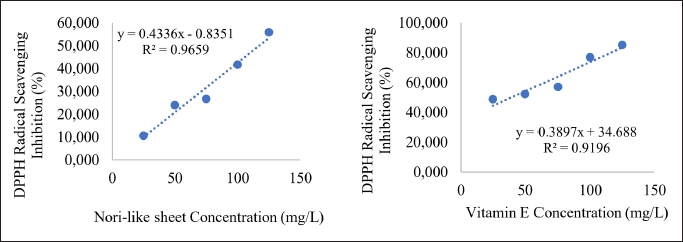 | Figure 6. DPPH radical scavenging activity of the nori-like sheets and vitamin E. [Click here to view] |
The significant difference in IC50 values between the nori sheets product and pure vitamin E was actually expected. Vitamin E is a pure compound known to be a powerful antioxidant. In contrast, the nori sheets are a whole-food matrix. Within this matrix, bioactive compounds—such as phenolics and tannins—are likely entrapped within the food fiber network and polysaccharides. Although microwave drying has been shown to be gentler on bioactive components than conventional heating, it still has the potential to reduce some of the activity of these compounds. Thus, an IC?? value in the range of 113 mg/L is a realistic achievement for functional food products based on seaweed and local leafy greens.
The DPPH assay employed in this study was originally developed by Blois [48]. Molyneux [90] noted that the IC?? value obtained from the DPPH assay is inversely related to antioxidant potency: a lower IC?? indicates stronger radical scavenging activity. The IC?? of the nori-like sheets (113.76 mg/L) is approximately threefold higher than that of pure vitamin E (39.27 mg/L), placing the product in the moderate range of antioxidant activity when compared to other Caulerpa-based foods reported in the literature. This moderate antioxidant capacity, combined with the product's high dietary fiber and protein content, still represents a meaningful functional benefit for a ready-to-eat snack.
The antioxidant activity of our nori-like sheets can be meaningfully compared with that of several recently developed C. racemosa-based functional foods. These comparisons reveal that the antioxidant potential of C. racemosa is highly dependent on processing methods, product matrix, and extraction techniques. The IC?? value of our nori-like sheets (113.76 ± 4.39 mg/L) compares favorably with the yogurt study by Dewi and Purnamayati [91], which reported an IC?? of approximately 183 mg/L for C. racemosa yogurt—approximately twice our value, suggesting our product has superior radical scavenging potency on a concentration basis. This difference may be attributed to several factors. First, our microwave drying method (140 Watts for 18–24 minutes) likely preserved heat-sensitive antioxidant compounds more effectively than conventional thermal processing, as supported by Hamamouche et al. [84], who demonstrated that microwave-assisted extraction better retains bioactive compounds in seaweeds. Second, the combination with O. cochinchinense leaves in our product may provide synergistic antioxidant effects not present in products containing only C. racemosa.
Direct comparison with the powdered drink study by Damayati et al. [92] is challenging due to different reporting units (mg/100 g vs. IC?? in mg/L). However, their finding that 10% gum arabic produced the highest DPPH value (13.21 mg/100 g) and best sensory acceptance highlights the importance of formulation optimization—a principle we applied in developing our nori-like sheets through preliminary formulation studies [38].
The solid-state fermentation approach reported by Astuti et al. [93] is particularly noteworthy, as fermentation significantly enhanced antioxidant properties (TPC 312 mg GAE/100 g; FRAP 1,107 mg TE/100 g) compared to unfermented C. racemosa. This suggests that future iterations of our nori-like sheets could potentially achieve even higher antioxidant activity through controlled fermentation, representing an opportunity for product improvement. Additionally, their identification of volatile siloxane compounds (hexamethyl and octamethyl cyclosiloxane) that contribute to antioxidant activity opens new avenues for understanding the complex chemistry of C. racemosa beyond conventional phenolic compounds.
Kumar et al. [94] demonstrated that C. racemosa supplementation in biscuits produced dose-dependent increases in phenolic content and antioxidant activities (DPPH, ABTS, H?O? scavenging, and FRAP), with sensory acceptance remaining in the "neutral to somewhat like" range. This aligns with our finding that functional food products can maintain acceptable sensory properties while delivering antioxidant benefits, addressing the common challenge in functional food development of balancing health benefits with consumer acceptance [75].
The antioxidant capacity observed across these diverse product formats is grounded in the rich phytochemistry of C. racemosa. Kurniawan et al. [31] comprehensively characterized the carotenoid profile of C. racemosa, identifying fucoxanthin, lutein, astaxanthin, canthaxanthin, zeaxanthin, β-carotene, and β-cryptoxanthin as major constituents. These carotenoids, together with polyphenolic metabolites, demonstrated strong DPPH and ABTS radical scavenging activities, as well as antidiabetic and anti-obesity effects in vitro. Taslim et al. [25] further confirmed that Indonesian C. racemosa extracts exhibit significant antioxidant activity and a beneficial metabolite profile, with the extraction method substantially influencing the recovered bioactivity. These fundamental studies provide the biochemical rationale for the antioxidant activity observed in our nori-like product and in other C. racemosa-based functional foods.
While our nori-like product uniquely combines C. racemosa with O. cochinchinense leaves, to date, no published studies have specifically formulated O. cochinchinense into food or beverage products. However, extensive phytochemical and pharmacological studies on O. cochinchinense leaf extracts provide strong evidence supporting its antioxidant potential and justifying its inclusion in functional food formulations.
Katturajan et al. [82] demonstrated that methanolic extracts of O. cochinchinense leaves have the highest phenolic and flavonoid contents among aqueous, acetone, hexane, and chloroform extracts, and that these phytochemicals strongly correlate with potent radical scavenging activity across multiple assays. This study also confirmed significant in vitro α-amylase and α-glucosidase inhibitory activities, positioning O. cochinchinense as a promising candidate for functional foods targeting glycemic management.
Ganesan et al. [95] and Somashekar et al. [96] reported that ethanolic leaf extracts of O. cochinchinense exhibited significant in vitro antioxidant activity through DPPH and nitric oxide inhibition assays. Notably, the extract inhibited nitrite radicals by up to 95% and demonstrated strong anti-inflammatory activity through human red blood cell membrane stabilization (up to 80%) in a dose-dependent manner. These findings indicate that O. cochinchinense possesses dual antioxidant and anti-inflammatory properties, which are particularly relevant for managing the oxidative stress and chronic inflammation characteristic of type 2 diabetes [12,17]. Besides that, O. cochinchinense leaves are reported to contain tannins and flavonoids, which are powerful antioxidants [35]. For patients with diabetes, whose cells experience increased oxidative stress, regular consumption of antioxidant-rich foods may help reduce oxidative damage [97].
The absence of formulated food products containing O. cochinchinense in the literature highlights the novelty of our approach. However, several knowledge gaps remain to be addressed in future research: (1) the stability of O. cochinchinense antioxidants within food matrices during processing and storage, (2) safe consumption doses for humans, and (3) sensory properties of O. cochinchinense-containing products. Our study begins to address these gaps by demonstrating that O. cochinchinense can be successfully incorporated into a nori-like product with high sensory acceptance (scores >7.0 for all parameters). The addition of O. cochinchinense represents a novel contribution that expands the possibilities for developing culturally relevant, locally sourced functional foods in Indonesia.
3.5. Phytochemicals of Nori-Like Sheet
The methanol extracts from nori-like sheets were analyzed by qualitative phytochemical screening to detect key bioactive compounds. The results of the phytochemical screening are summarized in Table 4, indicating the presence of various phytoconstituents, including alkaloids, flavonoids, phenolics, saponins, steroids, tannins, and terpenoids.
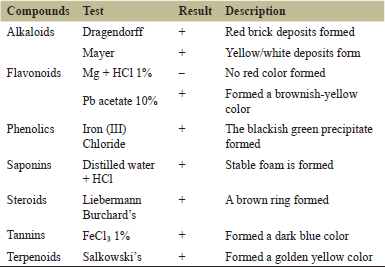 | Table 4. Phytoconstituents of nori-like sheet. [Click here to view] |
The phytochemical profile observed in our nori-like sheets is consistent with, and in several aspects broader than, previously reported profiles of its two main ingredients, C. racemosa and O. cochinchinense. The positive result for alkaloids in our nori-like sheets aligns with the well-documented richness of the Caulerpa genus in bisindole alkaloids such as caulerpin, caulersin, and caulerpenyne [27,98]. Similarly, studies on O. cochinchinense leaves have qualitatively detected alkaloids in various solvents (ethyl acetate, ethanol, methanol, and water) and identified specific alkaloids and amide derivatives by gas chromatography-mass spectrometry (GC-MS) analysis of ethanolic extracts [99]. The presence of alkaloids in both raw materials contributes to the positive result in our combined product.
The positive result with Pb acetate (brownish-yellow precipitate) confirms the presence of flavonoids in our nori-like sheet, despite the negative result with the Mg + HCl test. In addition, the heating process during microwave drying, although relatively brief, can cause thermal degradation of some heat-labile flavonoid compounds [100]. The negative result with the Mg + HCl test (Shinoda test) deserves brief clarification. This assay detects only certain flavonoid subclasses—flavones, flavonols, and flavanones—that reduce to red anthocyanidins under acidic conditions. Other subclasses, including isoflavones and catechins, typically give no response [101]. Hence, a negative Shinoda test does not exclude the presence of flavonoids; it simply suggests that the flavonoids in our product are predominantly of types unreactive to this specific reagent. Confirmation of the presence of flavonoids was still obtained from the 10% lead acetate test, which operates through a different mechanism—namely, the formation of a yellowish-brown lead-flavonoid complex; and is known to be more universal in detecting the presence of phenolic compounds, including flavonoids.
Palaniyappan et al. [27] reported that methanolic extracts of C. racemosa contain flavonoids with a total flavonoid content of approximately 33 mg QE/g, which contribute significantly to antioxidant and antidiabetic activities. Iveša et al. [102] further confirmed flavonoids as major bioactive constituents in C. racemosa through a comprehensive review. For O. cochinchinense, flavonoids have been detected in methanol and aqueous extracts, with GC-MS analysis identifying them as one of the major phytochemical classes responsible for antioxidant and anti-inflammatory potential [82,99].
The positive phenolic results (blackish-green precipitate with FeCl3) in our product are strongly supported by the literature. Palaniyappan et al. [27] reported a total phenolic content of 11.99 mg GAE/g in methanolic C. racemosa extracts. Ahmed et al. [98] also confirmed phenolic compounds in C. racemosa from the Red Sea coast. For O. cochinchinense, phenolics are consistently reported as one of the major phytoconstituent groups [82,99], which strongly correlate with antioxidant activity. The combined phenolic contributions from both ingredients likely account for the strong positive result in our nori-like sheet.
The stable foam formation confirming saponins in our nori-like product is consistent with the detection of saponins in methanolic and ethanolic extracts of C. racemosa. Ahmed et al. [98] qualitatively detected saponins in C. racemosa samples from the Red Sea, while Chowdhury et al. [103] confirmed their presence in samples from the Bay of Bengal. Saponins have also been reported in O. cochinchinense extracts, though less prominently than other phytochemical classes [35].
The positive Liebermann–Burchard test (brown ring formation) confirms the presence of steroids/sterols in our product. This aligns with comprehensive phytochemical reviews that identify phytosterols (including fucosterol) and other steroids in C. racemosa via Liquid Chromatography-High Resolution Mass Spectrometry analysis and biochemical studies. Iveša et al. [102] confirmed that sterols are characteristic constituents of Caulerpa species with various biological activities. For O. cochinchinense, steroids have been identified in acetone and chloroform extracts [35], and other studies have reported the presence of "steroids, phytosterols" and similar compounds in ethanolic extracts [104].
The dark blue color formation with FeCl? confirms the presence of tannins in our product. Chowdhury et al. [103] reported tannin content of approximately 18.6 mg TAE/g in methanolic extracts of C. racemosa from the Bay of Bengal. Tannins have also been detected in acetone and methanol extracts of O. cochinchinense [35] and are considered important constituents potentially related to anti-inflammatory and bone-healing effects [99]. The presence of tannins in both raw materials contributes to the positive result in our combined product.
The golden-yellow color with Salkowski's reagent confirms the presence of terpenoids in our nori-like sheet. This finding is strongly supported by literature documenting terpenoids and triterpenoids (including betulin and various sesqui-/diterpenes) as major bioactive fractions in C. racemosa [27,36,98]. For O. cochinchinense, terpenoids have been detected in methanolic extracts [35], and GC-MS analysis has identified phytol (a diterpene), other terpenoids, and terpenoid fatty acids with antioxidant and anti-inflammatory activities [99,104].
Importantly, the phytochemical profile of our nori-like product is broader than that typically reported for commercial Porphyra-based nori, which is primarily valued for its protein, vitamin, and mineral content rather than its diversity of bioactive secondary metabolites [52,53]. While Porphyra species do contain some phenolics and carotenoids, the combination of C. racemosa (rich in unique bisindole alkaloids and diverse terpenoids) with O. cochinchinense (rich in flavonoids and phenolics) yields a phytochemical spectrum that is distinct from conventional nori. This diversity underpins the multifunctional properties (antioxidant and anti-diabetic) demonstrated in our study and positions this nori-like product as a novel functional food with potential health benefits beyond simple nutrition.
3.6. Integrated Discussion: A Multi-Functional Food from Local Resources
The findings of this study, nutritional profile, sensory evaluation, and functional properties can support a strong, holistic argument for nori-like functional food products. This nori-like sheet, a combination of sea grapes (C. racemosa) and luhu leaves (O. cochinchinense), successfully integrates functional properties that benefit health through:
- Synergistic glycemic control: The combination of high water-soluble dietary fiber content and α-glucosidase inhibitory activity provides a multi-target approach to managing postprandial blood glucose levels. This synergistic combination has potential as a therapeutic approach in the development of functional foods for metabolic diseases such as type 2 diabetes [83].
- Antioxidant defense: The antioxidant capacity of nori-like sheets provides additional benefits by helping reduce oxidative stress, potentially providing a protective effect against long-term diabetes complications. This is important for developing nori-like functional food products [105].
- Cultural and commercial viability: Culturally, these functional properties are embedded in products that are sensory acceptable. The use of local ingredients (lahe and luhu) not only ensures cultural relevance but also promotes sustainable resource optimization and supports local food sovereignty [106].
The findings of this study suggest that traditional knowledge and local biodiversity can be optimally utilized through appropriate food processing techniques to create innovative foods that promote health. Nori-like sheets combining C. racemosa and O. cochinchinense have the potential to be a promising dietary strategy for the prevention and management of type 2 diabetes in Indonesia. Although this study provides a promising foundation, several limitations must be acknowledged. The potential anti-diabetic and antioxidant properties were only evaluated in vitro; future in vivo evaluation using diabetic mouse models is still needed to confirm these health benefits in a physiological context. Furthermore, this study focused on preliminary development, nutritional characterization, and sensory acceptance. However, detailed evaluation of microbiological safety and storage stability, which are critical for commercial product development, was not performed and remains an important goal for future research
4. CONCLUSION
This study successfully developed a nori-like sheets that is sensory acceptable, a combination of sea grapes (C. racemosa) and luhu leaves (O. cochinchinense). This nori-like product has the potential to become a functional food with Indonesian local wisdom, with a promising nutritional profile—high fiber, moderate protein, and low fat—and in vitro anti-diabetic and antioxidant activity, related to the synergistic action of water-soluble dietary fiber and bioactive compounds. Although these findings highlight the potential of underutilized local resources for developing functional foods, further in vivo studies are needed to confirm the physiological health benefits of these nori-like sheets. This research supports a sustainable and culturally relevant approach to the management of type 2 diabetes in Indonesia, especially in the Nusa Utara Archipelago.
5. AUTHORS’ CONTRIBUTIONS
All authors made substantial contributions to conception and design, acquisition of data, or analysis and interpretation of data; took part in drafting the article or revising it critically for important intellectual content; agreed to submit to the current journal; gave final approval of the version to be published; and agreed to be accountable for all aspects of the work. All the authors are eligible to be authors as per the International Committee of Medical Journal Editors (ICMJE) requirements/guidelines.
6. FUNDING
This research was funded by the Directorate General of Research and Development, Ministry of Higher Education, Science, and Technology, Republic of Indonesia, through a grant under the 2025 Fundamental Research scheme (Contract Number 044/C3/DT.05.00/PL/2025 dated May 28, 2025).
7. CONFLICTS OF INTEREST
The authors report no financial or any other conflicts of interest in this work.
8. ETHICAL APPROVAL
The sensory evaluation component of this study involved 30 semi-trained panelists who tasted a small quantity of the developed nori-like sheet. The panelists were university students enrolled in a Sensory Evaluation course who had received prior training in hedonic scaling. Verbal informed consent was obtained from all panelists before the tasting session commenced. The panelists were informed of the study's purpose, the nature of the sample, the tasting procedure, and their right to withdraw at any time without academic penalty. The session was conducted under hygienic conditions in the campus sensory laboratory, and the sample was prepared in compliance with standard food safety practices for product development testing. Given the minimal-risk nature of this sensory evaluation—a small-scale tasting of a conventionally processed food product by consenting adults—formal written ethics committee approval was not mandated by the institutional policy. Nevertheless, all procedures adhered to the principles of the Declaration of Helsinki and the Indonesian National Standard for sensory testing (SNI 01-2346-2006). This research did not involve test animals.
9. DATA AVAILABILITY
The raw data supporting the findings of this study are available from the corresponding author upon reasonable request. The raw data will also be deposited in Research Gate upon acceptance of the manuscript.
10. PUBLISHER’S NOTE
All claims expressed in this article are solely those of the authors and do not necessarily represent those of the publisher, the editors, or the reviewers. This journal remains neutral with regard to jurisdictional claims in published institutional affiliation.
11. USE OF ARTIFICIAL INTELLIGENCE (AI)-ASSISTED TECHNOLOGY
The authors declare that no artificial intelligence (AI) tools were used for the writing, editing, or data analysis of this manuscript, and no images were manipulated using AI. The AI tools employed are: DeepL for translating Indonesian to English, Grammarly for English grammar checking, and Consensus AI (https://consensus.app) for assisting in the identification of relevant literature. The authors take full responsibility for the accuracy and validity of all references cited.
REFERENCES
1. Ong KL, Stafford LK, McLaughlin SA, et al. Global, regional, and national burden of diabetes from 1990 to 2021, with projections of prevalence to 2050: a systematic analysis for the Global Burden of Disease Study 2021. Lancet 2023;402:203–34; CrossRef
2. Gregory GA, Robinson TIG, Linklater SE, Wang F, Colagiuri S, de Beaufort C, et al. Global incidence, prevalence, and mortality of type 1 diabetes in 2021 with projection to 2040: a modelling study. Lancet Diabetes Endocrinol 2022;10:741–60; CrossRef
3. Sun H, Saeedi P, Karuranga S, Pinkepank M, Ogurtsova K, Duncan BB, et al. IDF Diabetes Atlas: global, regional and country-level diabetes prevalence estimates for 2021 and projections for 2045. Diabetes Res Clin Pract 2021;183:109119; CrossRef
4. Soeatmadji DW, Rosandi R, Saraswati MR, et al. Clinicodemographic profile and outcomes of type 2 diabetes mellitus in the Indonesian cohort of DISCOVER: a 3-year prospective cohort study. J ASEAN Fed Endocr Soc 2023;38:68–74; CrossRef
5. Health Research and Development Agency, Ministry of Health of the Republic of Indonesia. 2018 National Basic Health Research Report (RISKESDAS) 2018. Health Research and Development Agency Publishing House, Jakarta, Indonesia, 2019. Available via https://repository.badankebijakan.kemkes.go.id/id/eprint/3514/1/Laporan%20Riskesdas%202018%20Nasional.pdf
6. Wahidin M, Achadi A, Besral B, et al. Projection of diabetes morbidity and mortality till 2045 in Indonesia based on risk factors and NCD prevention and control programs. Sci Rep 2024;14:5424; CrossRef
7. Caturano A, Rocco M, Tagliaferri G, et al. Oxidative stress and cardiovascular complications in type 2 diabetes: from pathophysiology to lifestyle modifications. Antioxidants 2025;14:72; CrossRef
8. Caturano A, D’Angelo M, Mormone A, et al. Oxidative stress in type 2 diabetes: impacts from pathogenesis to lifestyle modifications. Curr Issues Mol Biol 2023;45:6651–66; CrossRef
9. Shibib L, Al-Qaisi M, Guess N, et al. Manipulation of post-prandial hyperglycaemia in type 2 diabetes: an update for practitioners. Diabetes Metab Syndr Obes 2024;17:3111–30; CrossRef
10. Kumar V, Prakash O, Kumar S, et al. α-glucosidase inhibitors from plants: a natural approach to treat diabetes. Pharmacogn Rev 2011;5:19–29; CrossRef
11. Kashtoh H, Baek K-H. Recent updates on phytoconstituent alpha-glucosidase inhibitors: an approach towards the treatment of type two diabetes. Plants 2022;11:2722; CrossRef
12. Zhang Y, Bai B, Yan Y, et al. Bound polyphenols from red quinoa prevailed over free polyphenols in reducing postprandial blood glucose rises by inhibiting α-glucosidase activity and starch digestion. Nutrients 2022;14:728; CrossRef
13. Tumilaar SG, Hardianto A, Dohi H, et al. A comprehensive review of free radicals, oxidative stress, and antioxidants: overview, clinical applications, global perspectives, future directions, and mechanisms of antioxidant activity of flavonoid compounds. J Chem 2024;2024:1–21; CrossRef
14. Charlton A, Garzarella J, Jandeleit-Dahm K, et al. Oxidative stress and inflammation in renal and cardiovascular complications of diabetes. Biology (Basel) 2020;10(1):18; CrossRef
15. Zhang Z, Huang Q, Zhao D, et al. The impact of oxidative stress-induced mitochondrial dysfunction on diabetic microvascular complications. Front Endocrinol (Lausanne) 2023;14:1112363; CrossRef
16. Dedvisitsakul P, Watla-Iad K. Antioxidant activity and antidiabetic activities of Northern Thai indigenous edible plant extracts and their phytochemical constituents. Heliyon 2022;8(9):e10740; CrossRef
17. Hossain U, Das AK, Ghosh S, et al. An overview on the role of bioactive α-glucosidase inhibitors in ameliorating diabetic complications. Food Chem Toxicol 2020;145:111738; CrossRef
18. Sihono S, Sinurat E, Fateha F, et al. Optimization of nori like product formulation from Ulva spp., Gracilaria sp., and glycerol using mixture design method. J Pengolah Has Perikan Indones 2023;26:433–47; CrossRef
19. Brennan MA, Derbyshire E, Tiwari BK, et al. Ready-to-eat snack products: the role of extrusion technology in developing consumer acceptable and nutritious snacks. Int J Food Sci Technol 2013;48:893–902; CrossRef
20. Pamungkas PP, Aisyah SN, Ikerismawati S. Sensory attribute profiling of commercial nori using the rate-all-that-apply (RATA) method. Jurnal Ilmu Kelautan Dan Perikanan 2024;3:47–52. Available via https://jurnal.yudharta.ac.id/v2/index.php/lempuk/article/view/5435/2844
21. Lalopua VMN, Noya ED. Promotion of nori snacks for children and teens in Hative Kecil Subdistrict. BALOBE: Jurnal Pengabdian Kepada Masyarakat 2025;4:21–6. Available via https://ojs3.unpatti.ac.id/index.php/balobe/article/download/19470/10628
22. Nurfadilah R, Amelia. Preliminary design of a nori production plant using Gracilaria sp. seaweed, with a capacity of 4,000 tons per year. Makassar, Indonesia: Politeknik Negeri Ujung Pandang; 2024. Available via https://repository.poliupg.ac.id/id/eprint/10757/1/Pra%20Rancangan%20Pabrik%20Pembuatan%20Nori%20Dari%20Rumput%20Laut%20Gracilaria%20sp.%20Kapasitas%204.000%20Ton%20PerTahun.pdf
23. Medellu CS, Suriani NW, Komansilan A. Physical and chemical water condition in and around the area of seaweed “lahe” (Caulerpa sp.) growth. J Phys Conf Ser 2019;1317:012048; CrossRef
24. Magdugo RP, Terme N, Lang M, et al. An analysis of the nutritional and health values of Caulerpa racemosa (Forsskål) and Ulva fasciata (Delile)—two chlorophyta collected from the Philippines. Molecules 2020;25:1–23; CrossRef
25. Taslim NA, Hardinsyah H, Radu S, et al. Functional food candidate from Indonesian green algae Caulerpa racemosa (Försskal) J. Agardh by two extraction methods: metabolite profile, antioxidant activity, and cytotoxic properties. J Agric Food Res 2024;18:101513; CrossRef://doi.org/10.1016/j.jafr.2024.101513
26. Windarto S, Wijaya YJ, Putri DA, et al. Green gold of the ocean: unlocking the potential of Caulerpa in global seaweed markets – a review. Egypt J Aquat Biol Fish 2025;29:2673–700; CrossRef
27. Palaniyappan S, Sridhar A, Kari ZA, et al. Evaluation of phytochemical screening, pigment content, in vitro antioxidant, antibacterial potential and GC-MS metabolite profiling of green seaweed Caulerpa racemosa. Mar Drugs 2023;21:1–23; CrossRef
28. Cao M, Li Y, Famurewa AC, et al. Antidiabetic and nephroprotective effects of polysaccharide extract from the seaweed Caulerpa racemosa in high fructose-streptozotocin induced diabetic nephropathy. Diabetes Metab Syndr Obes 2021;14:2121–31; CrossRef
29. Mandlik RV., Naik SR, Zine S, et al. Antidiabetic activity of Caulerpa racemosa: role of proinflammatory mediators, oxidative stress, and other biomarkers. Planta Med Int Open 2022;9:e60–71; CrossRef
30. Kurniawan R, Taslim NA, Aman AM, et al. Pharmacoinformatics and ex vivo studies of carotenoids from green algae Caulerpa racemosa as functional biomolecules to modulate type-2 diabetes markers. S Afr J Bot 2025;178:348–59; CrossRef
31. Kurniawan R, Nurkolis F, Taslim NA, et al. Carotenoids composition of green algae Caulerpa racemosa and their antidiabetic, anti-obesity, antioxidant, and anti-inflammatory properties. Molecules 2023;28:3267; CrossRef
32. Tianasari E, Junaidi MS, Distantina S. Seaweed-based nori from Ulva lactosa Linnaeus and Eucheuma cottonii: The effect of composition. In: Shohih EN, Putro FA, Susanto H, (eds.). Proceedings of the National Seminar on Chemical Engineering ECOSMART. Surakarta, Indonesia, Department of Chemical Engineering, Sebelas Maret University, 2018, pp 115–21. Available via https://jurnal.uns.ac.id/ecosmart/article/view/29590
33. Valentine G, Sumardianto, Wijayanti I. Characteristics of nori from a mixture of Ulva lactuca and Gelidium seaweed. J Pengolah Has Perikan Indones 2020;23:295–302; CrossRef
34. Aulia A, Munandar A, Surilayani D. Optimization of the formulation of nori Kappaphycus alvarezii seaweed with cassava leaf (Manihot utilisima). Media Teknologi Hasil Perikanan 2021;9:51–8; CrossRef
35. Hepsibah AH, Jothi GJ. A comparative study on the effect of solvents on the phytochemical profile and biological potential of Ormocarpum cochinchinense Auct. Non (Lour.). Int J Pharm Pharm Sci 2017;9:67–72. Available via https://www.journals.innovareacademics.in/index.php/ijpps/article/view/15126/8695
36. Babu P, Bhuvaneswari K, Vivekanandan K, et al. Review on phytoconstituents and pharmacological activities of leaves of Ormocarpum cochinchinense. Int J Pharmacogn Phytother Res 2020;3:15–7. Available via https://www.researchgate.net/publication/343628743_Review_on_Phytoconstituents_and_Pharmacological_Activities_of_Leaves_of_Ormocarpum_cochinchinense_Review_on_Phytoconstituents_and_Pharmacological_Activities_of_Leaves_of_Ormocarpum_cochinchinense#fullTextFileContent
37. Vincent P, Mani KP. Aqueous extract of Ormocarpum cochinchinense augments proliferation and promotes osteogenesis in osteoblast like MG63 cells. J Orthop 2025;70:70–6; CrossRef
38. Maliode YI, Tanod WA. Organoleptic and proximate testing techniques for Caulerpa sp. Seaweed Nori. Combination of Luhu leaves with CMC (Carboxymethyl Cellulose) as a Binder. Second Industrial Work Practice Report. Politeknik Negeri Nusa Utara, Kabupaten Kepulauan Sangihe, Indonesia. Available via https://www.researchgate.net/publication/396219575_TEKNIK_PENGUJIAN_ORGANOLEPTIK_DAN_PROKSIMAT_NORI_ANGGUR_LAUT_Caulerpa_sp_KOMBINASI_DAUN_LUHU_DENGAN_CMC_Carboxymethil_Cellulose_SEBAGAI_PENGIKAT#fullTextFileContent
39. Montolalu RI, Dotulong V, Mentang F, et al. A comparative analysis on impact of drying methods on antioxidants, antidiabetes and antiobesity activities in green algae Caulerpa lentillifera: in vitro study. Algal Res 2024;84:103768; CrossRef
40. Indonesian National Standardization Agency. Indonesia National Standar (SNI 01-2891-1992) about food and beverage testing procedure. Indonesian National Standardization Agency, Jakarta, Indonesia, 1992. Available via https://id.scribd.com/doc/124876131/SNI-01-2891-1992-Cara-Uji-Makanan-Minuman
41. AOAC. Carbohydrates. In: Horwitz W, (ed.). Official methods of analysis of AOAC International. 17th ed. Vol. 1. The Association of Official Analytical Chemists, Gaithersburg, MD, 2000. Available via https://lan-portal.uob.edu.ly/data/DOC/698R02O265/aoac_official__methods__of-analysis_17th-ed.pdf
42. Food and Agriculture Organization of the United Nations. Food energy – methods of analysis and conversion factors. Report of a technical workshop. FAO Food and Nutrition Paper No. 77 Rome, Italy, 2003. Available via https://www.fao.org/4/y5022e/y5022e00.htm
43. McCleary BV, McLoughlin C. Determination of insoluble, soluble, and total dietary fiber in foods using a rapid integrated procedure of enzymatic-gravimetric-liquid chromatography: first action 2022.01. J AOAC Int 2022;106:127–45; CrossRef
44. Indonesian National Standardization Agency. Indonesian National Standard (SNI 01-2346-2006) about instructions for organoleptic and or sensor testing. Indonesian National Standardization Agency, Jakarta, Indonesia, 2006. Available via https://id.scribd.com/doc/141076327/SNI-01-2346-2006-Petunjuk-Pengujian-Organoleptik-Dan-Atau-Sensori
45. Febrinda AE, Astawan M, Wresdiyati T, et al. Antioxidant and alpha-glucosidase inhibitory properties of Bawang Dayak bulb extracts. Jurnal Teknologi dan Industri Pangan 2013;24:161–7; CrossRef
46. Miller N, Joubert E. Critical assessment of in vitro screening of α-glucosidase inhibitors from plants with acarbose as a reference standard. Planta Med 2022;88:1078–91; CrossRef
47. Julizan N, Maemunah S, Dwiyanti D, et al. Validation of antioxidant activity determination by DPPH method. Kandaga– Media Publikasi Ilmiah Jabatan Fungsional Tenaga Kependidikan 2019;1:41; CrossRef
48. Blois M. Antioxidant determinations by the use of a stable free radical. Nature 1958;181:1199–200; CrossRef
49. Harborne JB. Phytochemical methods; a guide to modern techniques of plant analysis. Chapman and Hall, London, New York, UK, vol. 3, 1998, p 317. Available via https://www.researchgate.net/profile/Ooi-Yan-Jie/post/Extraction-of-flavors-compounds-from-vegetables/attachment/59d64edc79197b80779a81e6/AS%3A494823354400768%401494986489619/download/Phytochemical+Methods.pdf
50. Tsurunaga Y, Takahashi T, Matsumoto S, et al. Color, texture, mineral, volatile components, and shape of naturally occurring uppurui nori (Porphyra pseudolinearis). Food Preserv Sci 2017;43:63–70; CrossRef
51. Pamungkas RAP, Swastawati F, Purnamayati L. Physical and chemical characteristics of seaweed nori with added treadfin bream surimi (Nemipterus nematophorus). Jurnal Ilmu dan Teknologi Perikanan 2023;5:111–20; Available via https://ejournal2.undip.ac.id/index.php/jitpi/article/download/15035/10341
52. Loupatty VD. Nori nutrient analysis from seawed of Porphyra marcossi in Maluku ocean. EKSAKTA: J Sci Data Analysis 2015;14:34–48; CrossRef
53. Taboada MC, Millán R, Miguez MI. Nutritional value of the marine algae wakame (Undaria pinnatifida) and nori (Porphyra purpurea) as food supplements. J Appl Phycol 2013;25:1271–6; CrossRef
54. Peñalver R, Lorenzo JM, Ros G, et al. Seaweeds as a functional ingredient for a healthy diet. Mar Drugs 2020;18:1–27; CrossRef
55. Windarto S, Herawati VE, Wijaya YJ, et al. Exploring the physicochemical properties and nutritional value of abundant seaweed species along the Jepara Coast, Indonesia. Thalassas Int J Mar Sci 2025;41(82):82; CrossRef
56. Ganesan P, Ganapathy D. A review of biomedical applications of Ormocarpum cochinchinense. Texila Int J Public Health 2024;12(4):574–85; CrossRef
57. Aroyehun AQB, Razak SA, Palaniveloo K, et al. Bioprospecting cultivated tropical green algae, Caulerpa racemosa (Forsskal) J. Agardh: a perspective on nutritional properties, antioxidative capacity and anti-diabetic potential. Foods 2020;9:1313; CrossRef
58. Mose NI, Saselah JT. Growth and survival rate of nile tilapia with addition of wori powder (Ormocarpum cochinchinense) fermentation in feed. Jurnal Ilmiah Tindalung 2021;7:1–6; CrossRef
59. Ajinomoto Group. Discover Ajinomoto's Chicken Powder 2025. Ajinomoto Co., Inc, Tokyo, Japan, 2025. Available via https://pro.ajinomoto.co.uk/en/fr-chicken-powder-1kg-3
60. Huo J, Zhang G-C, ZHU C, et al. Drying characteristics and protein retention rate of seaweed Gracilaria sp. dried by microwave vacuum. J Dalian Ocean Univ 2015;30:405–9; CrossRef
61. Kim H-J, Kim Y-E, Kim J-E, et al. Analysis of mineral and ash contents in domestic commercial sauces. Korean J Food Preserv 2020;27:98–110; CrossRef
62. Sasi M, Kumar S, Kumar M, et al. Garlic (Allium sativum L.) bioactives and its role in alleviating oral pathologies. Antioxidants 2021;10:1847; CrossRef
63. Major N, Perkovi? J, Pal?i? I, et al. The phytochemical and nutritional composition of shallot species (Allium × cornutum, Allium × proliferum and A. cepa Aggregatum) is genetically and environmentally dependent. Antioxidants 2022;11:1547; CrossRef
64. Hakim A, Jamaluddin J, Al Idrus SW, Jufri AW, Sari Ningsih BN. Ethnopharmacology, phytochemistry, and biological activity review of Aleurites moluccana. J Appl Pharm Sci 2022;12(04):170–8; CrossRef
65. Jia R, Yin X, Yang Y, et al. Effect of different salt additions on the taste and flavor-related compounds in chicken soup. Front Nutr 2024;11:1368789; CrossRef
66. De Kock HL, Zandstra EH, Sayed N, et al. Liking, salt taste perception and use of table salt when consuming reduced-salt chicken stews in light of South Africa’s new salt regulations. Appetite 2016;96:383–90; CrossRef
67. Liu S, Roopesh MS, Tang J, et al. Recent development in low-moisture foods: microbial safety and thermal process. Food Res Int 2022;155:111072; CrossRef
68. McRorie JW, McKeown NM. Understanding the physics of functional fibers in the gastrointestinal tract: an evidence-based approach to resolving enduring misconceptions about insoluble and soluble fiber. J Acad Nutr Diet 2017;117:251–64; CrossRef
69. Lattimer JM, Haub MD. Effects of dietary fiber and its components on metabolic health. Nutrients 2010;2:1266–89; CrossRef
70. Topolska K, Florkiewicz A, Filipiak-Florkiewicz A. Functional food—consumer motivations and expectations. Int J Environ Res Public Health 2021;18:5327; CrossRef.
71. Sinurat E, Sihono S, Fateha F, et al. Optimization and characterization of nori-like product made from Ulva lactuca and Gracilaria changii using mixture design. J Appl Phycol 2024;36:2343–57; CrossRef
72. Moerdijk-Poortvliet TCW, De Jong DLC, Fremouw R, De Reu S, De Winter JM, Timmermans K, et al. Extraction and analysis of free amino acids and 5'-nucleotides, the key contributors to the umami taste of seaweed. Food Chem 2022;370:131352; CrossRef
73. Savitri AU, Jariyah, Yulistiani R. The effect of maltodextrin concentration and roasting time on the physicochemical and sensory characteristics of nori snack made from sea grape (Caulerpa sp.). Asian J Appl Res Community Dev Empower 2023;7:111–6; CrossRef
74. Annunziata A, Vecchio R. Functional foods development in the European market: a consumer perspective. J Funct Foods 2011;3:223–8; CrossRef
75. Bigliardi B, Galati F. Innovation trends in the food industry: the case of functional foods. Trends Food Sci Technol 2013;31:118–29; CrossRef
76. Hedrington MS, Davis SN. Considerations when using alpha-glucosidase inhibitors in the treatment of type 2 diabetes. Expert Opin Pharmacother 2019;20:2229–35; CrossRef
77. Apriasih HP, Nofreeana A, Armando E. Potential evaluation of the Caulerpa species as antidiabetic agents and food fortification preparations. Jurnal Pascapanen Dan Bioteknologi Kelautan dan Perikanan 2023;18:123–31; CrossRef
78. Permatasari HK, Nurkolis F, Augusta PS, et al. Kombucha tea from seagrapes (Caulerpa racemosa) potential as a functional anti-ageing food: in vitro and in vivo study. Heliyon 2021;7:e07944; CrossRef
79. Augusta PS, Nurkolis F, Noor SL, et al. Probiotic beverage: the potential of anti-diabetes within kombucha tea made from sea grapes (Ceulerpa racemosa) containing high antioxidant and polyphenol total. Proc Nutr Soc 2021;80:E149; CrossRef
80. Permatasari HK, Nurkolis F, Hardinsyah H, et al. Metabolomic assay, computational screening, and pharmacological evaluation of Caulerpa racemosa as an anti-obesity with anti-aging by altering lipid profile and peroxisome proliferator-activated receptor-γ coactivator 1-α levels. Front Nutr 2022;9:939073; CrossRef
81. Dissanayake IH, Bandaranayake U, Keerthirathna LR, et al. Integration of in vitro and in-silico analysis of Caulerpa racemosa against antioxidant, antidiabetic, and anticancer activities. Sci Rep 2022;12:20848; CrossRef
82. Katturajan R, Shivaji P, Nithiyanandam S, et al. Antioxidant and antidiabetic potential of Ormocarpum cochinchinense (Lour.) Merr. leaf: an integrated in vitro and in silico approach. Chem Biodivers 2024;21:e202300960; CrossRef
83. Cheng J, Li J, Xiong R-G, et al. Effects and mechanisms of anti-diabetic dietary natural products: an updated review. Food Funct 2024;15:1758–78; CrossRef
84. Hamamouche K, Elhadj Z, Khattabi L, et al. Impact of ultrasound- and microwave-assisted extraction on bioactive compounds and biological activities of Jania rubens and Sargassum muticum. Mar Drugs 2024;22:530; CrossRef
85. Badmus UO, Taggart MA, Boyd KG. The effect of different drying methods on certain nutritionally important chemical constituents in edible brown seaweeds. J Appl Phycol 2019;31:3883–97; CrossRef
86. Fajriah S, Rizki IF, Sinurat E. Characterization and analysis of the antidiabetic activities of sulphated polysaccharide extract from Caulerpa lentillifera. Pharmacia 2021;68:869–875; CrossRef
87. Kumudha D, Kavitha R. Comparison of phyto-chemical properties, anti-oxidant and anti-diabetic activity of hydro-ethanolic extracts obtained from six seaweed species by in-vitro enzyme inhibition methods. Front Health Inform 2024;13:856–70; CrossRef
88. Singh A, Kukreti R, Saso L, et al. Mechanistic insight into oxidative stress-triggered signaling pathways and type 2 diabetes. Molecules 2022;27:950; CrossRef
89. Mallik S, Paria B, Firdous SM, et al. The positive implication of natural antioxidants on oxidative stress-mediated diabetes mellitus complications. J Genet Eng Biotechnol 2024;22:100424; CrossRef
90. Molyneux P. The use of the stable free radical diphenylpicryl- hydrazyl (DPPH) for estimating antioxidant activity. Songklanakarin J Sci Technol 2004;26:211–9; CrossRef
91. Dewi EN, Purnamayati L. Characterization of Caulerpa racemosa yogurt processed using Lactobacillus bulgaricus and Streptococcus thermophilus. Food Res 2021;5:54–61; CrossRef
92. Damayati DS, Damayanthi E, Riyadi H, et al. The analysis of antioxidant capacities and sensory in sea grapes (Caulerpa racemosa) powdered drink as a therapeutic obesity. Amerta Nutr 2023;7:175–84; CrossRef
93. Astuti PD, Zaibunnisa AH, Norakma MN, et al. Effects of solid-state fermentation of seaweed (Caulerpa racemosa) on antioxidant assay and flavour profile. Food Res 2023;7:37–45; CrossRef
94. Kumar A, Krishnamoorthy E, Devi HM, et al. Influence of sea grapes (Caulerpa racemosa) supplementation on physical, functional, and anti-oxidant properties of semi-sweet biscuits. J Appl Phycol 2018;30:1393–403; CrossRef
95. Ganesan P, Shanmugham R, Sekaran S, et al. In vitro anti-inflammatory and antioxidant activity of Ormocarpum cochinchinense. Texila Int J Public Health 2024;12(4):111–23; CrossRef
96. Somashekar G, Sudhakar U, Prakash SG, et al. In-vitro antioxidant and in-vitro anti-inflammatory activities of ethanolic leaves extract of Ormocarpum Cochinchinense. J Orofac Sci 2022;14:134–40; CrossRef
97. Dilworth L, Stennett D, Facey A, et al. Diabetes and the associated complications: the role of antioxidants in diabetes therapy and care. Biomed Pharmacother 2024;181:117641; CrossRef
98. Ahmed SEA, Hyder A, Ali RSA, et al. Vegetation and biochemical analysis of Caulerpa racemosa from Red Sea Coast at Hurghada-Egypt. Sci J Damietta Fac Sci 2022;12:117–23; CrossRef
99. Somashekar G, Sudhakar U, Srividya S, et al. Phytochemical analysis and in vitro cell viability effects of ethanolic extract of Ormocarpum cochinchinense on mouse embryonic fibroblasts. Indian J Pharm Educ Res 2023;57:120–4; CrossRef
100. Sharma K, Ko EY, Assefa AD, et al. Temperature-dependent studies on the total phenolics, flavonoids, antioxidant activities, and sugar content in six onion varieties. J Food Drug Anal 2015;23:243–52; CrossRef
101. Shimizu M. Solubilization of flavonoids. X Yakugaku Zasshi-J Pharm Soc Japan 1952;72:338–44; CrossRef
102. Iveša N, Buri? P, Burši? M, et al. A review on nutrients, phytochemicals, health benefits and applications of the green seaweed Caulerpa racemosa (Forsskål) J. Agardh. J Appl Phycol 2024;36:3451–73; CrossRef
103. Chowdhury KR, Alim A, Zaman NR, et al. Screening of anti-inflammatory and analgesic activities of Caulerpa racemosa from the bay of Bengal, Bangladesh. Biores Com 2023;9:1330–9; CrossRef
104. Sivakumar T, Gajalakshmi D. Gas chromatography-mass spectroscopy analysis of Ormocarpum cochinchinense leaf extract- traditional bone healing plants. Int J Pharm Res Bio-Sci 2014;3:352–9. Available via https://www.researchgate.net/publication/288828285_Gas_chromatography-Mass_spectroscopy_analysis_of_Ormocarpum_cochinchinense_leaf_extract-Traditional_Bone_healing_plants_2014_International_Journal_of_Pharmaceutical_Research_and_Bio-Science_32_352-359
105. Rahimi R, Nikfar S, Larijani B, et al. A review on the role of antioxidants in the management of diabetes and its complications. Biomed Pharmacother 2005;59:365–73; CrossRef
106. Gallegos-Riofrío CA, Waters WF, Carrasco A, et al. Caliata: an indigenous community in Ecuador offers lessons on food sovereignty and sustainable diets. Curr Dev Nutr 2021;5:61–73; CrossRef