
1. INTRODUCTION
Secondary metabolites (SMs), in particular, which are remarkable sources of value-added bioactive molecules, provide the basis for the pharmacological capabilities of plants, which have been employed as medicines throughout history [1]. SMs are a huge and diverse class of compounds, some of which are probably unimportant byproducts of metabolic pathways brought on by different enzyme activity [2]. SMs are formed in response to many types of stress it faces and have a complicated chemical makeup that helps to carry out diverse physiological activities in plants [1]. About 200,000 known SMs are found in plant species and are crucial for survival, reproduction, forming symbiotic associations, climatic tolerance, and disease resistance [3,4]. Plant secondary metabolism is typically activated and reconfigured during acclimatization and adaptation to adverse environmental conditions, and stimulation of this specialized metabolism to combat these environmental stresses results in the production of various classes of plant SMs, including phenolic compounds (coumarin, lignin, furanocoumarins, flavonoids, isoflavonoids, and tannins), terpenes (monoterpenes, sesquiterpenes, diterpenes, triterpenes, and polyterpenes), nitrogen-containing SMs (alkaloids, cyanogenic glycosides, glucosinolates, and non-protein amino acids), and sulfur-containing SMs (glucosinolates, phytoalexins) [5,6]. They are having wide applications in human use and are used as pharmaceuticals, agrochemicals, flavors, fragrances, colors, biopesticides, and food additives, and have a variety of biological activities. Therefore, the majority of SMs, including terpenes, phenolics, and alkaloids, are highly sought after in the biopharmaceutical, cosmeceutical, and nutraceutical industries [7,8].
Few significant plant-based compounds with uncomplicated chemical structures can be produced using the chemosynthesis method, but many, like alkaloids, are challenging to synthesize by the chemosynthesis method, or their production costs outweigh their commercial availability [9]. From intact plants grown in nature, many of these specialized compounds can be obtained. The plant raw materials from which several of these highly valuable substances are derived are getting scarcer due to ecological, political, or geographic factors. A metabolite's production tends to be confined to a single species or genus and may only be initiated during a specific growth or developmental stage of a plant, or may be related to the season, stress, or nutrient availability [9,10]. Different types of stresses, including biotic and abiotic stresses that a plant has to encounter, make it difficult to ensure and maintain a steady supply of desirable plant SMs, and also, their subsequent processing is challenging. These drawbacks make it difficult to isolate SMs from intact plants [11]. The restricted availability of the compounds is one of the key issues with the commercial supply of molecules derived from plants. Most of the time, SMs make up less than 1% of the dry weight (DW) of plant cells, and occasionally even less, as is the case with the paclitaxel content of Taxus bark, which is only 0.01% [12].
The elevated demand in the marketplace and limited yield of pharmaceutically significant phytochemicals have sparked interest in biotechnological methods to increase the yield of SMs [13]. For SM production under controlled conditions, plant cell culture systems (cell suspension, hairy/adventitious root (AR) cultures, and callus cultures) have emerged as an appealing substitute [11]. Utilizing a plant cell culture technology may be able to lower the overexploitation of therapeutic plants that are in danger of extinction, and also those that are very rare [14]. By using plant tissue culture (PTC) techniques, cultures may be generated anywhere in the world, regardless of the conditions needed for plant growth. They are also free of pathogens and insects, preventing the need for pesticides and herbicides [9]. Recently, various techniques have been developed to increase the production of important plant SMs employing plant in vitro cultures, including cell line selection, precursor feeding, cell immobilization, biotransformation, metabolic engineering, synthetic biology, and elicitation [15].
Through elicitation employing a variety of biotic and abiotic substances, a simpler method to improve SM generation in plant cell culture systems can be achieved [16]. These elicitation strategies range from media manipulations through environmental stress and chemical elicitors, and it shows encouraging results in terms of boosting the yield of SMs in cell cultures of different medicinal plants [17]. Use of nanoparticles (NPs) as elicitors is giving assurance as more potent substitutes to other elicitors due to their customizable physicochemical properties and the physiological, molecular, biochemical, and metabolic responses they generate [18,19]. There are many previous studies reporting the use of NPs in order to positively impact the yield of useful SMs in plants. NPs consisting of metals, metal oxides, non-metallic, magnetic, polymeric, bi-metallic, carbon-based, silica, biopolymer, core-shell structures, and nanocomposites are used for the elicitation of SMs in plant cell culture systems [11]. Because of their smaller size, ease of penetration, and consequent ease in manipulating the cell's machinery to generate increased phytochemicals, nanomaterials have been used and studied widely over the past few years. PTC has utilized nanomaterials for a variety of goals, including growth, organogenesis, transformation, and the induction of SMs in many plants [13].
2. SECONDARY METABOLITE PRODUCTION BY PLANT TISSUE CULTURE TECHNIQUES
The demand for natural and organic products has grown as consumers become more aware of lifestyle choices. Due to its health advantages over synthetic medications, as well as in terms of cost and safety, fascination with medicinal plants has grown over the past two decades [1]. Due to limitations in topography and environment, isolation of plant SMs on a large scale from naturally existing intact plants is restricted [15]. Traditional SM isolation techniques take a long time since it takes plants years to develop to a stage where they can produce the desired metabolites [20]. It also has a number of drawbacks, including low yields and concentration changes brought on by regional, seasonal, and environmental variations [7].
Utilizing PTC procedures for the quick and effective production of SMs for commercial use is an alternative strategy to overcome such a dilemma. A need to concentrate research on raising output by applying PTC approaches and improving their large-scale production using bioreactors has resulted from the extensive usage of SMs in numerous industrial sectors [1]. In vitro propagation of plants or the in vitro culture of plant organs (usually roots) or callus are reported to be highly capable of providing plant materials that produce SMs [21]. It facilitates the bulk propagation of plants in controlled environmental conditions without regard to the seasons [22]. In addition, it facilitates the year-round production of huge numbers of homogeneous plants, disease-free propagules, and a significant increase in multiplication rates over traditional horticultural propagation approaches [21].
The process for producing in vitro SMs involves two steps: aggregation of biomass and the synthesis of SMs [1]. The following are procedures for producing bioactive SMs using plant in vitro culture: A) surface sterilization of the plant material, followed by establishing in vitro cultures. Organ culture material or callus can also be used. Agrobacterium rhizogenes is used to produce hairy roots by infecting sterilized donor plants or in vitro cultured materials. B) Multiplication of obtained primary callus/organs/roots, their initial selection, followed by establishing liquid cultures. C) High-yielding lines are chosen, and culture conditions are optimized (nutrient medium constituents, inoculum concentration, temperature, light, agitation, and aeration). To increase productivity even further, techniques like elicitation, precursor feeding, or immobilization are used. D) Bioreactor types depending on the culture: stirred tanks, airlift, and bubble column reactors for cell suspensions; mist or spray reactors and temporary immersion systems for organ cultures, including hairy roots, are used for further scale-up of SM production [23].
The entire procedure must be carried out in an aseptic environment utilizing a laminar flow cabinet equipped with a high-efficiency particulate air (HEPA) filter in order to accomplish a successful culture. The environment has extensively contaminated the source of the explants; thus, the portion that is to be removed for use is disinfected in a disinfectant, often alcohol, sodium, or calcium hypochlorite or mercuric chloride [24]. The cultures can be initiated from either seeds that have been germinated aseptically or from pieces of the entire plant. The explants are then inoculated on a nutrient-rich semi-solid medium that contains plant growth regulators and are grown in a controlled environment [23]. Two key characteristics of plant cells—cell plasticity and totipotency—support the growth of explants. These two characteristics of plant cells probe the ability of living cells to differentiate into new, genetically similar cells that can then become tissues, organs, and whole individuals [25].
Cell cultures (cell suspensions, protoplasts, or gametic cells), tissue cultures (callus or differentiated tissues), or organ cultures (shoots, roots, or zygotic embryos) can be created based on the starting material and the nutrient medium [26]. For the development of SMs for commercial use, callus, cell suspension, shoot, and root cultures have been used most frequently [1]. The sequential steps involved in SM production by PTC techniques are schematically represented in Figure 1. Several research reports have showcased successful outcomes regarding the production of important SMs using PTC techniques, as listed in Table 1. A comparative analysis for the enhancement of bioactive compounds in Ocimum basilicum, Ocimum sanctum, and Ocimum gratissimum by cell culture was carried out, and found that O. basilicum produced 33 mg GAE g−1 DW, 220 mg g−1 DW, and 450 mg g−1 DW of total phenolic, alkaloid, and terpenoid content, respectively. Likewise, O. sanctum synthesized 33.3 mg GAE g−1 DW, 330 mg g−1 DW, 430 mg g−1 DW, and O. gratissimum synthesized 44.0 mg GAE g−1 DW, 450 mg g−1 DW, 420 mg g−1 DW of total phenolic, alkaloid, and terpenoid content, respectively [27]. Cell suspension culture of Tinospora cordifolia showed a 5.57-fold (3.077 mg g−1 DW) increase in berberine production, while cell suspension culture of Vernonia anthelmintica showed a 9.4-fold (1.104 mg g−1 DW) increase in rhamnetin content [28,29]. Kuo et al [30] studied the effect of in vitro cultured plants on cucurbitacin I and cucurbitacin E production in Aquilaria agallocha and found that it enhanced production and observed 0.356 and 0.972 mg g−1 yield, respectively. Otari et al. [34] studied in vitro plantlets of Bacopa floribunda and reported an increase of Bacoside A3 (1.01 mg g−1 DW), Bacopaside X (1.23 mg g−1 DW), Bacopaside II (43.62 mg g−1 DW), Bacosaponin C (0.19 mg g−1 DW), and Stigmasterol (7.69 mg g−1 DW). Enhancement of total phenolic content (TPC) and total flavonoid content (TFC) was studied by various scientists and reported 4.5-mg GAE g−1 DW and 3.5-mg QE g−1 DW of TPC and TFC, respectively, in shoot culture of Ajuga bracteosa; 55.954-mg GAE g−1 DW, 3.9355-mg QE g−1 DW, respectively, in hairy root culture of Ficus carica; 5.43-mg g−1 DW, 3.27-mg g−1 DW, respectively, in callus culture of Digitalis purpurea; 3.0-mg g−1 DW, 1.8-mg g−1 DW, respectively, in callus culture of Caralluma tuberculata and 57.8-mg g−1 DW, 11.1-mg g−1 DW, respectively, in callus culture of Eclipta alba [31,44,42,39,43]. Berberine (5.05 mg g−1) and palmatine (3.00 mg g−1) were obtained from in vitro T. cordifolia plantlets [54]. AR culture of Hyoscyamus niger exhibited increased production of Scopolamine (0.64 mg g−1), Hyoscyamine (0.46 mg g−1), and TPC (19.33 mg g−1) [46]. Escrich et al[53]. observed a 15-fold increase in taxane production by cell culture of Taxus media. Improved production of centellosides by cell culture of Centella asiatica, berberine by callus culture of Argemone mexicana, and t-resveratrol by cell suspension culture of Silybum marianum were reported [41,52,32]. Increased total phenolic content (147.98, 1.02 mg GAE g−1 DW) was obtained by callus culture of Artemisia annua and Urginea maritima, respectively [33,55]. 2.44, 1.81, and 1.25 times greater amounts of pinostrobin, total phenolics, and flavonoids were reported by Jirakiattikul et al. [37] from shoot culture of Boesenbergia rotunda. Alkaloid content (5.67 mg g−1 DW) was found to be enhanced by cell suspension culture of Catharanthus roseus [40]. 1.05 mg g−1 DW of p-hydroxybenzyl alcohol, 19.0 mg g−1 DW of Dactylorhin A, 6.25 mg g−1 DW of Militarine, and 0.3323 mg g−1 DW of Coelonin were obtained by Bletilla striata callus suspension culture [35]. Park et al. [47] synthesized 0.158 mg g−1 DW of galantamine and 1.070 mg g-1 DW of TPC by shoot culture of Narcissus tazetta. Rawat et al. [50] reported increased production of TPC (49.66 GAE g−1 DW), TFC (34.67 QE g−1 DW), and total tannin content (TTC) (57.66 TAE g−1 DW) in callus suspension of Paris polyphylla. Total phenolics and rosmarinic acid contents were enhanced by hairy root culture of O. basilicum [48]. Production of boeravinone-B, total phenolics, and flavonoids was reported to be enhanced by callus culture of Boerhavia diffusa [36]. Resveratrol and ?-viniferin yield were increased by 26 and 620-fold in cell suspension culture of Vitis vinifera by Wang et al. [56]. Capsicum chinense cell suspension culture improved the quantity of capsaicin (2.87 mg g−1 FW) [38] and dihydrocapsaicin (1.03 mg g−1 FW) . A 10-fold increase in isoflavones was reported in studies of Jeong et al. [45] by cell suspension culture of Glycine max. They also reported an enhanced production of total phenolics (0.1108 mg g−1 FW). Fazal et al. [51] reported that cell suspension of Prunella vulgaris produced 7.62 mg g−1 DW of polyphenolics . 1.66 times higher flavonoid content and 1.49 times higher phenolics were obtained by AR culture of Oplopanax elatus [49].
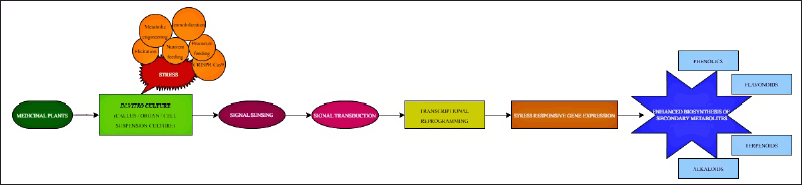 | Figure 1. Secondary metabolite production by plant tissue culture techniques. [Click here to view] |
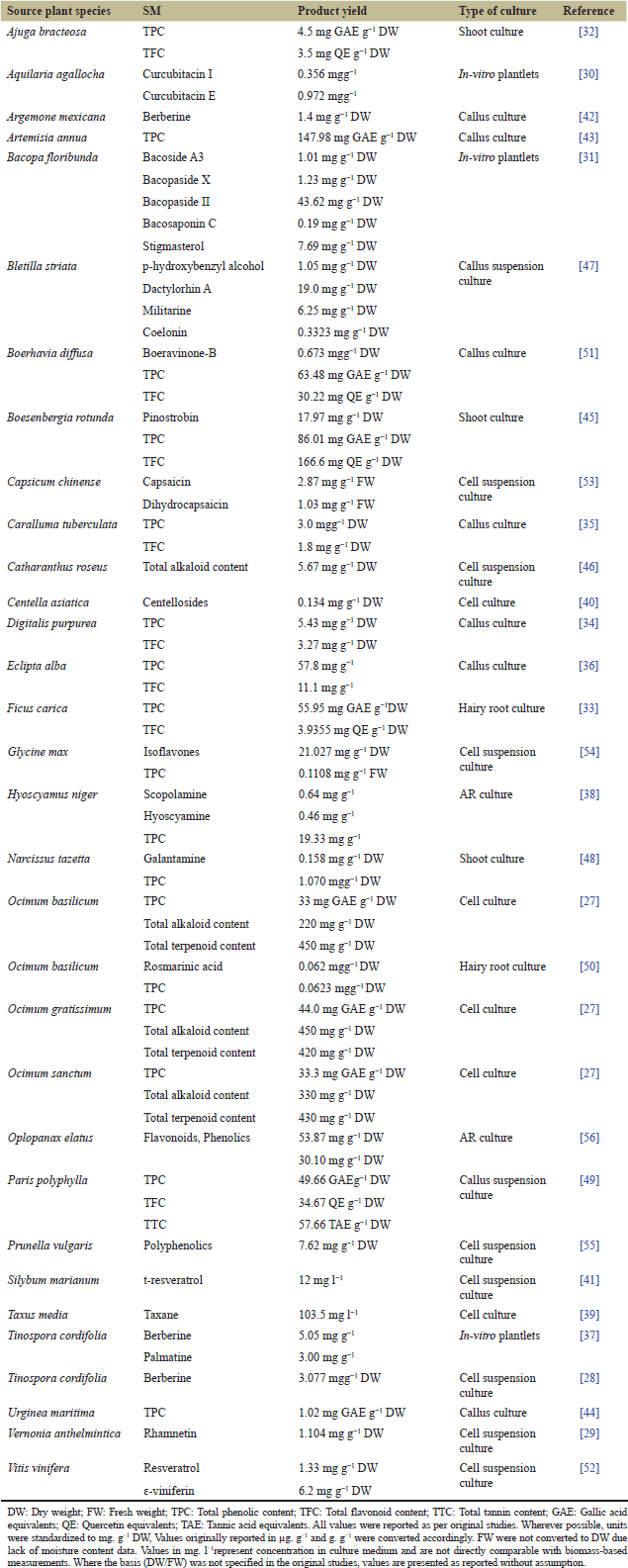 | Table 1. Some bioactive SMs obtained via PTC systems. [Click here to view] |
3. STRATEGIES TO INCREASE SECONDARY METABOLITES YIELD
Despite being widely established, PTC approaches for the generation of SMs are still only applied to a few processes in large-scale manufacturing. Key strategies (Fig. 2) used to boost production of SM in plant cell cultures are: selection of high-yielding cell lines through screening and optimization to identify the most productive strains; optimization of culture conditions, including medium composition, pH, temperature, light, and oxygen levels to create an ideal environment for metabolite production; addition of elicitors, such as fungal extracts, signaling molecules, and abiotic stressors, to trigger defense responses and metabolite production; feeding of precursors and intermediates to provide building blocks and boost biosynthetic pathways; employing permeabilization techniques, such as ultrasonication, to increase cell permeability and metabolite release; use of two-phase culture systems to continuously remove and sequester products avoiding feedback inhibition; addition of adsorbents like activated charcoal or resins to capture and remove metabolites from the medium; application of metabolic engineering to enhance biosynthetic pathways or block competing pathways; in situ removal of the products from culture to increase the accumulation of SMs which may be limited by feedback inhibition; immobilization technique by using a simple gel matrix which have reported to increase metabolite production, as well as ease the process of extraction and purification of the resulted products; and scale-up using bioreactors with optimized designs for plant cell culture at a larger scale. Another method that can be used for enhancing SM production is genome editing using CRISPR/Cas9 technology. These strategies aim to overcome the challenges of low productivity and enable commercial-scale production of valuable plant-derived pharmaceuticals using cell suspension cultures [15,20,57,58].
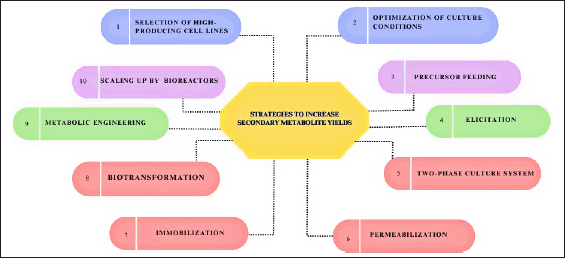 | Figure 2. Strategies to increase SM yields. [Click here to view] |
4. ELICITATION
Plant cells generate SMs as a defense mechanism against infectious pathogenic elicitors, as well as in response to environmental stresses during in vivo growth. As a result, there is growing interest in using substances to help develop plant cells, tissues, or organs to mount a defense response in order to increase the production of bioactive chemicals under in vitro cultures. This process is referred to as elicitation [57]. The technique of SM elicitation involves the exogenous administration of elicitors in cell and tissue cultures. Changes to the culture media, such as the exogenous administration of elicitors or precursors or modifying external factors, can result in the induction of the stress response and an increase in the synthesis of essential metabolites [18].
Chemical, physical, or biological factors that can cause physiological as well as biochemical alterations by inducing stress in the target living things are known as elicitors [59]. On application of such elicitors into the target system, it triggers and enhances the buildup of the specified metabolites even when it is applied in a very small amount [60]. They have been used exogenously and have been demonstrated to stimulate secondary metabolism and encourage the accumulation of desirable metabolites in a variety of plant species. The biosynthetic pathways can be affected by a variety of elicitors in different ways [20].
Elicitors can be classified as biotic or abiotic, as well as general and race-specific elicitors [10]. Abiotic elicitors are components of non-biological sources, including the majority of inorganic chemicals, such as salts of heavy metals, metal ions, and metal oxides, as well as physical stresses like cold shock, UV, osmotic, water stress, light, temperature shift, and others [61,62]. Biotic elicitors are derived from biological sources, such as living bacteria, yeasts, fungal polysaccharides, lipids, and glycoproteins, as well as intracellular molecules, proteins, salicylic acid (SA), jasmonic acid (JA), methyl jasmonate (MeJA), and components of microbial or plant cell walls, such as chitosan (CS) and chitin [1,63].
Studies on the signaling, gene expression, and enzyme activity involved in the manufacture of significant medicinal molecules like SA, paclitaxel, resveratrol, etc. have become more and more prevalent. These are the stages of the focused metabolic engineering process that increase the accumulation of therapeutic SMs [64–65]. Crucial variables affecting the successful generation of biomass and the accumulation of SMs include elicitor concentrations, exposure time, and the age or phase of the culture at the point of elicitor administration [67].
The outcomes of α-NAA treatment along with different spectral lights were conducted by Ali et al. [68] to estimate the growth, secondary metabolic activity, and phenolic acid biosynthesis in A. bracteosa AR cultures and found out highest AR induction frequency which was 88% and biomass formation (72-g/l FW and 22-g/l DW) were seen in explants incubated with 1.5-mg/l NAA under yellow light, maximum production of polyphenols (TPC;44.2 mg) and flavonoids (TFC;2.51 mg) were found in the AR cultures grown in response to blue light. The highest total protein content (401.6 μg) was reported in the AR grown in the presence of normal white light, and blue spectral light brought about maximum superoxide dismutase (SOD; 2.5 nM) and peroxidase activity (POD;0.85 nM), respectively [68]. Jeet et al. [69] studied the effects of CS, MeJA, SA, KCl, NaCl, and polyethylene glycol on indole alkaloids accumulation in callus culture of Alstonia scholaris [69]. Addition of yeast extract and CS in liquid hairy root culture of Astragalus membranaceus resulted in the elicitation of astragaloside and isoflavones accumulation, respectively [70]. Corylus avellana cell suspension culture was exposed to cell extract and culture filtrate derived from Camarosporomyces flavigenus fungus for paclitaxel accumulation [71].
NPs have the potential to take the place of biotic elicitors in the elicitation of secondary metabolism. Designing a particular form of monodispersed and stimulus-responsive NPs based on the target metabolite/type of plant cell growth is possible owing to their adaptable physicochemical properties [11]. Also, NPs are frequently utilized as nanocarriers of different biotic and abiotic elicitors to promote the synthesis of specific metabolites in vitro, in addition to being used as nano-elicitors [19].
Distinct features of NPs, like their chemical reactivity, binding properties, optical activity, and morphology, make them vary from their corresponding bulk materials. NPs will also have more enhanced properties owing to their size, shape, and structures [72]. Due to their special qualities—like their small size, high surface-to-volume ratio, capacity to engineer electron exchange, and high surface reactive capabilities—NPs readily penetrate and interact with plant cells and tissues' constituent components [5]. Basic methods for intact plants to uptake NPs are foliar absorption either through the stomata or stratum corneum pores of the leaves and root uptake through primary roots, root cell wall pores, or damaged areas from soil [73]. It can also enter through other aerial parts like hydathodes, cuticles, trichomes, or damaged tissues. In vitro cultured cells, organs, or plantlets, uptake NPs through cell pores from the NPs-treated medium [74]. The length and width of the stomata and stomatal pores are usually in micrometer scale. Therefore, entry of NPs through stomatal pores is relatively easy and, therefore, is the primary way of foliar uptake. But due to the smaller radii of cuticular pores with approximately 2.4 nm, only smaller NPs pass through cuticles. But NPs of about 50 nm have also been found to enter through cuticles [75]. In case of root uptake, various studies proved that in different plant species, the size exclusion limit varies and, therefore, NPs varying from 3.5 to 140 nm or above can be entered through this pathway in different species [76]. It has been found that in certain instances, NPs larger than the plant cell wall pores were also observed to enter the cells, either by enlarging pre-existing plant cell wall pores or by stimulating the formation of new, larger plant cell wall pores [5,77]. There are many factors influencing the uptake of NPs, which include type, morphology, and size of the NPs; species, growth stage, and condition of plants; and phyllospheric, as well as rhizospheric factors like root exudates and microorganisms, which play a major role in changing morphological properties of NPs and their dissolution and transformation [76].
NPs reach the plant cell membrane after getting internalized through leaves, roots, or cell wall pores. It can be further internalized from the cell membrane either by apoplastic or symplastic pathways. By the apoplastic pathway, NPs can pass through the intercellular spaces between the cell wall and cell membrane of a cell to other cells from the epidermal to the cortex region, but not through the endodermis because of the presence of Casparian strips. Some NPs can penetrate the cell membrane and reach the cytoplasm either by endocytosis, certain membrane-bound transporter proteins, or by inducing new pores utilizing ion carrier molecules and thus enter the symplastic pathway and pass through plasmodesmatal connections between adjacent cells till vascular bundles from where they will be transported to the entire length of plants through xylem and phloem [78,79]. Thus, entered NPs can interact with intracellular organelles and elements and can cause stress and accumulation of reactive oxygen species (ROS), which may interrupt both primary and secondary metabolic pathways of plants and thus can lead to elicitation of SMs [5].
5. NANOMATERIALS AS ELICITORS OF PLANT SECONDARY METABOLITES
Nanomaterials are classified into three main sub-classes: (1) metallic NPs (MNPs), (2) metal oxide NPs (MONPs), and (3) carbon-related nanomaterials for elicitation of plant SMs [5]. Several nanomaterials have been studied for their effect on various plant species and cultures in stimulating the secondary metabolism and thus the production of important SMs, as listed in Table 2.
| Table 2. Few examples of SMs elicitation using NPs as elicitors in PTC. [Click here to view] |
5.1. Metallic Nanoparticles
Different MNPs (Ag, Cu, Au, Co, Zn, Cu–Au bimetallic, etc.) have been used as plant SM elicitors in a variety of species due to their distinctive features. MNPs have been extensively exploited in a variety of plant species, and reports of their effects on SM production, genetic modification, mass propagation, and microbial content eradication have been obtained [5]. According to the reports, the features of the MNPs (i.e., the concentration employed, the exposure period, their size, and their synthetic origin), as well as the nature of plant culture, had an effect on SM production [1,80]. Kruszka et al. [81] reported that MNPs induced more effect on secondary metabolism in plants compared to MONPs.
Within in vitro cultures of different plant species, Ag NPs are unquestionably the most utilized MNPs as elicitors of plant SM [117,118]. A variety of plant species in various production systems have been successfully elicited by Ag NPs [5]. Ag NPs (3.0 mg l-1)-treated Capsicum frutescens cell suspension culture produced two-times more capsaicin [82]. Khan et al. [105] studied Alnus nitida leaves extract-synthesized Ag NPs and urea-doped Ag NPs (U-Ag NPs) and their effects on the elicitation of SM production in wheat seeds under in vitro conditions . Results showed that U-Ag NPs have the potential to be a significant elicitor of secondary metabolism in comparison with Ag NPs. Wheat seed cultures treated with U-Ag NPs showed increased production of phenolics, flavonoids, and chlorophyll content, as well as antioxidant activity. Callus culture of plants like C. tuberculata and Fagonia indica treated with Ag NPs has improved the accumulation of total phenolics and flavonoids [13,39]. Synthesis of Aloin, which is primarily used for its medicinal and cosmetic purposes, was dramatically increased by 127% in Aloe vera cell suspension treated with Ag NPs (at 0.625 mg l-1) [83]. Hyoscyamine and scopolamine production was enhanced by elicitation using Ag NPs in hairy root culture of Hyoscyamus muticus [84]. Treatment with 1 and 2 mg/l of Ag NPs in C. roseus callus culture increased the production of vindoline, vincristine, catharanthine, and vinblastine [85]. Chung et al. [86] studied the effect of Ag NPs in Momordica charantia suspension culture and found that it enhanced the production of flavonols, hydroxybenzoic acids, and hydroxycinnamic acids. Stevia rebaudiana callus elicited with 45-mg/l Ag NPs increased the production of stevioside [87]. Gallic acid, coumarin, tannic acid, hesperidin, quercetin, and rutin were synthesized in higher quantities than in the control when Juniperus procera callus culture was elicited with Ag NPs .
Kruszka et al. [81] studied the effects of Ag, Au, Cu, and Pd NPs treatment on the plant secondary metabolism in cell suspension culture of Hypericum perforatum L. and found out that Ag NPs enhanced the accumulation of bisxanthone (540.3-fold), gancaonin O (214.2-fold), fusaroskyrin (98.6-fold), 2-deprenyl-7-hydroxyrheediaxanthone (38.4-fold), hyper xanthone D (60.8-fold), gemi xanthone A (34.4-fold), trihydroxy xanthone II (98.3-fold), tetrahydroxy methoxyxanthone (77.5-fold), trihydroxy methoxy xanthone I (74.0-fold) and trihydroxydimethoxy xanthone (42.9-fold); Au NPs enhanced the accumulation of hyperxanthone C (96.4-fold), dihydroxydimethoxy xanthone III (82.6-fold), γ-mangostin (81.1-fold), hyperxanthone E (26.0-fold), bijaponica xanthone C (20.4-fold) and maclurin (10.8-fold); Cu NPs enhanced the accumulation of apigenin (13.7-fold), hyperxanthone A (10.4-fold), kaempferol (7.4-fold), methoxyemodin (7.0-fold), 6-deoxyisojacareubin (6.3-fold) and rhein (5.6-fold); Pd NPs increased the accumulation of emodin (6.9-fold), dulciol E (5.3-fold), garcinone b (4.3-fold), and chrysoobtusin (3.4-fold) [81].
Se NPs were used as an elicitor in callus culture of C. tuberculata to elicit total phenolics and flavonoids by Ali et al. [89]. Rajaee Behbahani et al. [90] elicited soluble phenols in M. charantia seed culture by Se NPs. 5 mg/l of Co NPs in A. annua suspension culture enhanced the accumulation of artemisinin by 2.25-fold [88].
It has also been shown that bimetallic NPs and other MNP combinations are efficient elicitors of SMs production in a variety of plant species [106,108. Studies regarding the effect of Ag and Au NPs in combinations (1: 2, 1 : 3, 2 : 1, and 3 : 1) or individually on callus cultures of P. vulgaris L., showed that the application of a 1 : 3 ratio of Ag : Au NPs considerably boosted the total flavonoids (4%) and phenolics (23%) productions [106]. Fazal et al. used a 3:1 ratio of Ag and Au NPs, respectively, in P. vulgaris suspension culture and enhanced the accumulation of TPC and TFC [51]. Cu–Au bimetallic NPs (in a 3:1 ratio) are effective elicitors to produce greater levels of total phenolic (54%) and flavonoid (20%) contents in an AR culture of S. rebaudiana [108]. Artemisia absinthium callus was studied for the effect of various ratios of Ag and Cu NPs on the synthesis of SMs and revealed that a 3:1 ratio enhanced total phenolic content and a 1:3 ratio enhanced total flavonoid content [107].
5.2. Metal Oxide Nanoparticles
The literature offers a variety of frequently contradicting findings regarding how plants react when exposed to various MONPs. On the elicitation behavior of several MONPs under in vitro cultures of various plant species, numerous investigations have been conducted. Copper oxide (CuO), zinc oxide (ZnO), titanium dioxide (TiO2), cerium oxide (CeO2), cadmium oxide, iron oxide (Fe3O4), and aluminum oxide NPs are the most often employed MONPs as elicitors of SMs [5].
Fe3O4 NPs are easily available for a variety of scientific applications, including the possibility of being used as elicitors of plant SM production due to their straightforward and affordable manufacture [120]. Ayoobi et al. [98] studied the effect of Fe3O4 NPs in A. annua seedlings, and the results revealed that applying Fe3O4 NPs was a successful elicitor treatment that improved the generation of artemisinin by 98.5% compared to the control. With H. perforatum, researchers were able to produce an intriguing example of the usage of Fe3O4 and ZnO NPs, which enhances the plant's accumulation of specific SMs, such as hypericin and hyperforin [121]. Fe3O4 NPs-treated hairy root culture of Dracocephalum kotschyi produced 9.7, 11.87, 3.85, and 2.27-fold more amount of rosmarinic acid, xanthomicrol, cirsimaritin, and isokaempferide, respectively [99].
Due to their widespread use in the role of a UV filter in sunscreens, TiO2 NPs are among the most widely dispersed NPs in the environment. As a result, plants are more vulnerable to directly absorbing TiO2 NPs from the environment [122]. Recent research revealed that ionic Ti is the main trigger for the physiological impacts of TiO2 NPs on plants [123]. In addition, numerous research teams have examined the ability of TiO2 NPs to stimulate the production of plant SMs utilizing both in vivo and in vitro conditions [101,124]. Treatment with Ag NPs (2 mg/l) in C. roseus callus culture increased the production of vindoline, vincristine, catharanthine, and vinblastine [85]. Aloin concentration in A. vera cell suspension cultures treated with TiO2 NPs increased to 118% using in vitro systems [83]. Similar to this, when subjected to various concentrations of TiO2 NPs, the phenolic and flavonoid contents in Cicer arietinum callus culture increased [101].
Kruszka et al. [81] studied the effects on the plant secondary metabolism in cell suspension culture of H. perforatum L. treated with CuO, ZnO, CeO2, and TiO2 NPs. They found out that the CuO NPs increased the production of dihydroxydimethoxyxanthone I (2.7-fold), hyperxanthone B (2.4-fold), and trihydroxyxanthone I (2.4-fold); CeO2 NPs enhanced the accumulation of emodin anthrone 4.7-fold; ZnO NPs increased the accumulation of procyanidin B and gallic acid 11.3 and 2.0-fold, respectively; and TiO2 NPs increased quercetin production 2.5-fold [81]. Javed et al. [96] developed a callus culture of S. rebaudiana and treated it with different concentrations of ZnO and CuO NPs. Phytochemical analysis of callus culture treated with ZnO NPs showed the highest TPC of 5.65 µg/mg of DW and the highest TFC of 2.85 µg/mg of DW when exposed to 100 mg/l of ZnO NPs. Phytochemical analysis of callus culture treated with CuO NPs showed the highest TPC of 5.88 µg/mg of DW when exposed to 10 mg/l of CuO NPs and the highest TFC of 2.23 µg/mg of DW when exposed to 100 mg/l of CuO NPs [96].
Treatment with 2 mg/l of ZnO and 20 mg/l of CuO NPs in the in vitro regenerants of S. rebaudiana led to an increase in rebaudioside A and stevioside content by 4.42 and 1.28% [93], and with 1-mg/l ZnO and 10-mg/l CuO NPs [95] increased the production of steviol glycosides, TPC, and TFC. Iqbal et al. studied the effect of ZnO and CuO NPs (0.5 mg/l) in Vigna radiata callus and reported an enhanced production of glycosides and phenolics [94]. ZnO and CuO NPs treated S. rebaudiana callus culture showed an increase in TPC and TFC [95]. Bacoside A production was enhanced by two-fold on treating Bacopa monnieri cell suspension with ZnO NPs [102]. Asadollahei et al. [91] enhanced the production of lavandulol, germacrene D, 1,8-cineole, and (E)-nerolidol by 21.68%, 17.21%, 9.33%, and 8.11%, respectively [91]. ZnO NPs were used to elicit TPC, TFC, lignans, and neolignans in suspension culture of Linum usitatissimum [103]. Kashyap et al. [104] enhanced the production of cerpegin by 100-mg/l ZnO NPs in Ceropegia bulbosa suspension culture. Papaver orientale cell suspension was treated with CuO NPs, which increased the accumulation of morphine, thebaine, and codeine [97]. Total phenolics, flavonoids, rosmarinic acid, chicoric acid, and eugenol content were increased in callus culture of O. basilicum using 10-mg/l CuO NPs and 25-mg/l MnO NPs as elicitors [92]. SiO2 NPs-treated hairy root culture of D. kotschyi produced 8.26, 13, 13.42, and 10-fold more amount of rosmarinic acid, xanthomicrol, cirsimaritin, and isokaempferide, respectively [100].
5.3. Carbon-Related Nanomaterials
Carbon-based nanomaterials are promising nanomaterials for application in medicine, agriculture, and plant biology. The extensive application of such nanomaterials in biological fields is due to their unmatched optical, electrical, mechanical, and thermal properties [125]. It includes single-walled carbon nanotubes (SWCNTs), multi-walled carbon nanotubes (MWCNTs), CS NPs, derivatives of fullerene (Buckminsterfullerene or Buckyball), nanosheets, nano-cones, nano-horns, nano-diamonds, nano-fibers, nano-onions, nano-beads, graphene, and carbon dots [126,127,116,115].
Samadi et al. [116] studied the effect of SWCNTs in callus culture of Thymus daenensis and found that supplementing the MS media with 50-mg/l SWCNTs can increase the production of several valuable phenolics and flavonoids like rosmarinic acid, trans-ferulic acid, catechin, hesperidin, vanillin, and carvacrol. Satureja khuzestanica in vitro callus cultures were used to study the inductive effect of MWCNTs on the production of SMs. The optimal concentration of MWCNTs used was 100 mg/l, and this increased the biomass as well as the accumulation of total phenolics (12%), flavonoids (3%), rosmarinic acid (12.32 mg/g DW), and caffeic acid (9.2 mg/g DW) contents [111]. Fatemi et al. [113] investigated the impact of MWCNTs (250 mg/l) on nodal segment culture of Satureja khuzistanica and found that MWCNTs exposure significantly increased the accumulation of rosmarinic acid. Asgharzadeh et al. [112] studied the effect of MWCNTs in enhancing paclitaxel production in the cell suspension culture of Taxus baccata. Their results showed that 100- and 250-mg/l MWCNT treatment led to secretion of 18% and 96% of total paclitaxel content into the culture medium, respectively, as well as a 2.7-fold and 6.7-fold increase in paclitaxel production, respectively [112].
CS is frequently utilized in biomedicine and agriculture. It has desirable, distinctive qualities, including non-toxicity and biodegradability. In the seed culture of Capsicum annuum, 1 mg/l of nano-CS was utilized as an effective elicitor of soluble phenols and [114]. Asgari-Targhi et al. [109] synthesized CS-encapsulated ZnO nanocomposite (CS-ZnO NP), and C. annuum seed culture was treated with it and assessed its efficiency to produce SMs. It was found that CS-ZnO NPs treatment significantly enhanced secondary metabolism and thereby increased the accumulation of soluble phenols by 40% and alkaloids by 60.5% [109].
Curcuma alismatifolia in vitro plantlets were evaluated for the effects of various concentrations of nanosheets combined with JA and SA, and revealed a positive influence on the accumulation of total phenolics [115]. Graphene oxide NPs were used for the elicitation of stevioside and rebaudioside A content in in-vitro plantlets of S. rebaudiana [110].
6. MECHANISM OF NANOPARTICLE-MEDIATED ELICITATION OF SECONDARY METABOLITES
Elicitation mechanisms can involve thousands of mediators from numerous signaling channels, and their interactions make them extremely complicated. The origin, specificity, exposure type, timing, and concentration of the elicitors, as well as plant-dependent factors like the stage of development, cellular cycle, type of tissue, nutritional conditions, elicitor uptake by media/soil/aerial, physicochemical environment, and many other factors, affect how these events change [5]. Therefore, it is very difficult to suggest an all-encompassing model for the mechanism by which nanomaterials elicit the synthesis of plant SMs. The scheme of the general mechanism of the elicitation mechanism in plant secondary metabolism is depicted in the Figure 3.
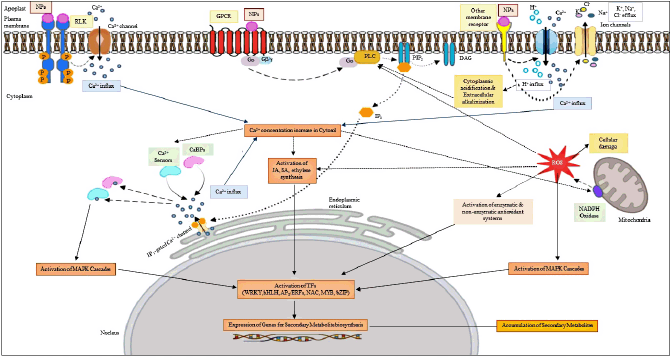 | Figure 3. Mechanism of NP-mediated elicitation of SMs. NPs: Nanoparticles, RLK: Receptor-like kinase; GPCR: G protein-coupled receptor, PLC: Phospholipase-C, PIP: Phosphatidylinositol 4,5-bisphosphate, IP3: Inositol 1,4,5-triphosphate, DAG: Diacylglycerol, CalPs: Calcium-binding proteins, JA: Jasmonic acid, SA: Salicylic acid, MAPK: Mitogen-activated protein kinases, TFs: Transcription factors, ROS: Reactive oxygen species. [Click here to view] |
A chain of events gets started as soon as the NPs reaches inside the cell. There are numerous receptors on the cell surface and membranes, and multiple elicitor binding sites have been discovered [74]. The initial event is the receptor–elicitor contact, where the NPs that are being applied as the elicitor act as the primary messenger molecule. The interaction of NPs with the transmembrane receptor-like kinases (RLKs) results in a signal transduction cascade. The binding of NPs with RLKs causes Ca2+ influx from intracellular stores [5]. Release of Ca2+ from apoplastic space also occurs, which adds to the Ca2+ level in the cytosol [128]. Elicitor contact with specific receptors will also lead to plasma membrane depolarization, which will further lead to the activation of certain ion channels in the plasma membrane to result in the efflux of Na+, K+, and Cl- and H+ influx. This will further increase the influx of Ca+ and deactivation of ATPase, leading to cytoplasmic acidification and extracellular alkalinization [74,129]. The interaction of NPs with G protein-coupled receptors will activate the G-protein and further initiate the activation of phospholipase-C (PLC) on the membrane [130]. PLC then hydrolyzes phosphatidylinositol 4,5-bisphosphate and yields two secondary messenger molecules inositol triphosphate (IP3) and diacylglycerol. IP3 then diffuses into the cytosol and leads to the release of Ca2+ from intracellular calcium reservoirs through Ca2+-gated ion channels [131].
The released Ca2+ also regulates the PLC, which will further increase the Ca2+ concentration within the cytoplasm and also the production of other secondary messengers like JA, SA, ethylene, etc., which can directly or indirectly modulate secondary metabolism [132]. It is also known that Ca2+ activates several oxidases, like cell membrane NADPH oxidase, apoplastic POD, and several other oxidases in cellular organelles like chloroplasts, mitochondria, and peroxisomes. The activation of these oxidases will lead to oxidative burst by which enormous amounts of ROS are generated within the cell [129]. It includes hydrogen peroxide, superoxide anions, hydroxyl radicals, and singlet oxygen. NPs interfere with the electron transport chain in chloroplasts and mitochondria, which also leads to the generation of ROS and reactive nitrogen species and nitric oxide [128,129]. These are known to cause cellular damage by protein modification, lipid peroxidation, and DNA damage. These are also known to activate certain enzymatic and non-enzymatic antioxidant systems in plants like SOD, ascorbate peroxidase, catalase, and glutathione-S-transferase, which help to convert ROS and detoxify them. Based on the balance between generation and scavenging of ROS within the cell, they either cause oxidative damage or act as signaling molecules . ROS also causes damage to the plasma membrane and activation of PLC, which will further lead to a Ca2+ spike [133]. ROS is also known to activate another cascade called the mitogen-activated protein kinase (MAPK) cascade, and also the production of jasmonates, ethylene, etc. NPs' perception by membrane receptors may also activate the MAPK cascade. All these will lead to an increase in Ca2+ concentration approximately within 5 minutes of NPs administration, which marks a very early response [129,130].
The increased Ca2+ level within the cytoplasm can be sensed by certain calcium-binding proteins or calcium sensors like calmodulin, calmodulin-like proteins, phospholipase-D, annexins, calreticulin, calnexin, and pistil-expressed calcium binding proteins or by calcium-dependent protein kinases. These Ca2+ signaling will further transfer the information downstream to initiate a cascade of phosphorylations, which includes activation of MAPK cascades, which will lead to regulation of expression of genes involved in secondary metabolism mainly by altering the phosphorylation status of certain transcription factors (TFs) of target genes [128].
The complex signaling pathways that occur on exposure to the NPs, like MAPK cascades, Ca2+, ROS, JA, SA, and ethylene signaling, and the cross-talks between these, together activate several TFs that will bind to the target genes and regulate the defense mechanism, thereby enhancing SM production [134]. The major TFs involved in secondary metabolism are: i) MYB TF, which contains the MYB DNA-binding domain. It is involved in the biosynthetic pathways of anthocyanin, proanthocyanidins, glucosinolate, phenylpropanoids, flavonoids, and hydroxycinnamic acid amide (HCCAs). ii) bHLH TFs, which are found to act in combination with MYB TF in the regulation of anthocyanin production. bHLH TF-like MYC2 plays a major role in terpenoid indole alkaloid (TIA), nicotine, anthocyanin, alkaloids, glucosinolate, diterpenoid, phytoalexin, and saponin biosynthesis. iii) AP2/ERF family TFs have a DNA-binding AP2 domain, such as in the ORCA protein, which has a major role in controlling multiple genes involved in TIA biosynthesis. It is also found to be involved in artemisinin, artemisinic acid, nicotine, vinblastine, bisindole alkaloids, steroidal glycoalkaloids, saponin, and lignin biosynthesis. iv) WRKY family TFs are found to have a role in biosynthesis of gossypol, artemisinin, volatile terpene, camalexin, phytoalexin, HCCA, resveratrol, benzylisoquinoline alkaloid, taxol, TIA, etc. v) NAC TFs are found to be involved in camalexin and putrescine biosynthesis. vi) bZIP TFs have major roles in lignin, phenolic acids, flavonoids, terpenoids, alkaloids, anthocyanin, tanshinone, and artemisinin biosynthetic pathways [6,135,136].
7. CONCLUSION AND FUTURE PROSPECT
Since there is a very high demand for SMs in various fields and because of the improved knowledge about commercially important plant-based SMs, currently, the use of PTC techniques has increased for their large-scale production. PTC is an advantageous technique in order to synthesize biocompounds from plants that are even on the verge of extinction for their conservation. It also provides a good yield irrespective of any environmental or geographical conditions if sterile and appropriate conditions are properly maintained.
In order to enhance the production potential of important SMs in terms of both quantity and quality in culture systems, the elicitation technique has been proven to be highly advantageous. Use of nanomaterials (MNPs, MONPs, and other carbon-related nanomaterials) due to their specificity and enhanced properties is reported to be a potential approach. Various research studies proved the improved production of diverse plant SMs of commercial importance on elicitation using different types of nanomaterials in various culture conditions. Concentration, size, exposure time, time of addition of nanomaterials, as well as the plant species, type, and age of culture, are the main factors to be given importance during the elicitation process for the maximum result.
Further research by addressing the limitations of present methods, as well as by utilizing the emerging technologies, will definitely help to produce important SMs more sustainably while giving enhanced yield. For this, there is an importance to move forward by acknowledging the current limitations. Some studies have reported certain concentrations of NPs to be toxic to the plants. Therefore, the usage of smaller concentrations of NPs seems to be more efficient in generating higher amounts of SMs without causing phytotoxicity to the plants. Further studies incorporating metabolomics, transcriptomics, and genomics will help provide a wide understanding of the cellular and molecular-level events that take place on elicitor administration in plants. Thus, specific steps in metabolic pathways, specific genes and proteins that experience alterations and are responsible for SM generation can be identified, and thus the elicitation mechanism can be improved accordingly. Moreover, there are still many sources unveiled for green synthesis of safer, less toxic NPs as well as for SM production. More research improving the existing techniques and approaches more sustainably, without compromising efficiency and productivity, has to be introduced to bring out a major impact, generating better economic productivity and environmental sustainability.
8. ACKNOWLEDGMENT
The authors wish to express their profound appreciation to the Rashtriya Uchchatar Shiksha Abhiyan (RUSA 2.0) program of the Government of India for its funding of infrastructure and research activities under Research Innovation and Quality Improvement (Component-10), which is being implemented through the University of Mysore.
9. AUTHOR’S CONTRIBUTION
All authors made substantial contributions to conception and design, acquisition of data, or analysis and interpretation of data; took part in drafting the article or revising it critically for important intellectual content; agreed to submit to the current journal; gave final approval of the version to be published; and agreed to be accountable for all aspects of the work. All the authors are eligible to be an author as per the International Committee of Medical Journal Editors (ICMJE) requirements/guidelines.
10. ETHICS APPROVAL
This study does not involve experiments on animals or human subjects.
11. DATA AVAILABILITY
All the data is available with the authors and shall be provided upon request.
12. PUBLISHER’S NOTE
All claims expressed in this article are solely those of the authors and do not necessarily represent those of the publisher, the editors and the reviewers. This journal remains neutral with regard to jurisdictional claims in published institutional affiliation.
13. USE OF ARTIFICIAL INTELLIGENCE (AI)-ASSISTED TECHNOLOGY
The authors declare that they have not used artificial intelligence (AI)-tools for writing and editing of the manuscript, and no images were manipulated using AI.
14. CONFLICT OF INTEREST
The authors report no financial or any other conflicts of interest in this work.
REFERENCES
1. Chandran H, Meena M, Barupal T, Sharma K. Plant tissue culture as a perpetual source for production of industrially important bioactive compounds. Biotechnol Rep 2020;26:450; CrossRef
2. Bourgaud F, Gravot A, Milesi S, Gontier E. Production of plant secondary metabolites: a historical perspective. Plant Sci 2001;161(5):839–51; CrossRef
3. Shih ML, Morgan JA. Metabolic flux analysis of secondary metabolism in plants. Metab Eng Commun 2020;10:e00123; CrossRef
4. Chávez-Arias CC, Ramírez-Godoy A, Restrepo-Díaz H. Influence of drought, high temperatures, and/or defense against arthropod herbivory on the production of secondary metabolites in maize plants. A review. Curr Plant Biol 2022;32:100268; CrossRef
5. Anjum S, Anjum I, Hano C, Kousar S. Advances in nanomaterials as novel elicitors of pharmacologically active plant specialized metabolites: current status and future outlooks. RSC Adv 2019;9(69):40404–23; CrossRef
6. Jan R, Asaf S, Numan M, Lubna, Kim KM. Plant secondary metabolite biosynthesis and transcriptional regulation in response to biotic and abiotic stress conditions. Agronomy 2021;11(5):968; CrossRef
7. Ramachandra Rao S, Ravishankar GA. Plant cell cultures: chemical factories of secondary metabolites. Biotechnol Adv 2002;20(2):101–53; CrossRef
8. Garagounis C, Delkis N, Papadopoulou KK. Unraveling the roles of plant specialized metabolites: using synthetic biology to design molecular biosensors. New Phytol 2021;231(4):1338–52; CrossRef
9. Gonçalves S, Romano A. Production of plant secondary metabolites by using biotechnological tools. In: Vijayakumar R, Raja SSS (eds.). Secondary metabolites-sources and applications, IntechOpen, p 81, 2018; CrossRef
10. Ramirez-Estrada K, Vidal-Limon H, Hidalgo D, Moyano E, Golenioswki M, Cusidó R, et al. Elicitation, an effective strategy for the biotechnological production of bioactive high-added value compounds in plant cell factories. Molecules 2016;21(2):182; CrossRef
11. Arya SS, Lenka SK, Cahill DM, Rookes JE. Designer nanoparticles for plant cell culture systems: mechanisms of elicitation and harnessing of specialized metabolites. BioEssays 2021;43(11):2100081; CrossRef
12. Wilson SA, Roberts SC. Recent advances towards development and commercialization of plant cell culture processes for the synthesis of biomolecules. Plant Biotechnol J 2012;10(3):249–68; CrossRef
13. Begum S, Zahid A, Khan T, Khan NZ, Ali W. Comparative analysis of the effects of chemically and biologically synthesized silver nanoparticles on biomass accumulation and secondary metabolism in callus cultures of Fagonia indica. Physiol Mol Biol Plants 2020;26(8):1739–50; CrossRef
14. Fouda MS, Hendawey MH, Hegazi GA, Sharada HM, El-Arabi NI, Attia ME, et al. Nanoparticles induce genetic, biochemical, and ultrastructure variations in Salvadora persica callus. J Genet Eng Biotechnol 2021;19(1):27; CrossRef
15. Yue W, Ming QL, Lin B, Rahman K, Zheng CJ, Han T, et al. Medicinal plant cell suspension cultures: pharmaceutical applications and high-yielding strategies for the desired secondary metabolites. Crit Rev Biotechnol 2016;36(2):215–32; CrossRef
16. Açikgöz MA, Kara SM, Aygün AH, Özcan MM, Ay EB. Effects of methyl jasmonate and salicylic acid on the production of camphor and phenolic compounds in cell suspension culture of endemic Turkish yarrow (Achillea gypsicola) species. Turk J Agric For 2019;43(3):351–9; CrossRef
17. Khan T, Abbasi BH, Khan MA. The interplay between light, plant growth regulators and elicitors on growth and secondary metabolism in cell cultures of Fagonia indica. JPhotochem Photobiol B Biol 2018;185:153–60; CrossRef
18. Karimzadeh F, Haddad R, Garoosi G, Khademian R. Effects of nanoparticles on activity of lignan biosynthesis enzymes in cell suspension culture of Linum usitatissimum L. Russ J Plant Physiol 2019;66(5):756–62; CrossRef
19. Arya SS, Rookes JE, Cahill DM, Lenka SK. Chitosan nanoparticles and their combination with methyl jasmonate for the elicitation of phenolics and flavonoids in plant cell suspension cultures. Int J Biol Macromol 2022;214:632–41; CrossRef
20. Kolewe ME, Gaurav V, Roberts SC. Pharmaceutically active natural product synthesis and supply via plant cell culture technology. Mol Pharmaceutics 2008;5(2):243–56; CrossRef
21. Espinosa-Leal CA, Puente-Garza CA, García-Lara S. In vitro plant tissue culture: means for production of biological active compounds. Planta 2018;248(1):1–8; CrossRef
22. Ochoa-Villarreal M, Howat S, Hong S, Jang MO, Jin YW, Lee EK, et al. Plant cell culture strategies for the production of natural products. BMB Rep 2016;49(3):149; CrossRef
23. Wawrosch C, Zotchev SB. Production of bioactive plant secondary metabolites through in vitro technologies—status and outlook. Appl Microbiol Biotechnol 2021;105(18):6649–868; CrossRef
24. Twaij BM, Jazar Z, Hasan MN. Trends in the use of tissue culture, applications and future aspects. Int J Plant Biol 2020;11(1):8385; CrossRef
25. Vasil IK. A history of plant biotechnology: from the cell theory of Schleiden and Schwann to biotech crops. Plant Cell Rep 2008;27(9):1423–40; CrossRef
26. Karuppusamy S. A review on trends in production of secondary metabolites from higher plants by in vitro tissue, organ and cell cultures. J Med Plants Res 2009;3(13):1222–39.
27. Mathew R, Sankar PD. Comparison of major secondary metabolites quantified in elicited cell cultures, non-elicited cell cultures, callus cultures and field grown plants of Ocimum. Int J Pharm Pharm Sci 2014;6(2):102–6.
28. Pillai SK, Siril EA. Exogenous elicitors enhanced berberine production in the cell suspension cultures of Tinospora cordifolia (Willd.) Miers ex Hook F. & Thoms. Proc Natl Acad Sci India Sect B Biol Sci 2022;92(1):209–18; CrossRef
29. Rajan M, Feba KS, Chandran V, Shahena S, Mathew L. Enhancement of rhamnetin production in Vernonia anthelmintica (L.) Willd. cell suspension cultures by eliciting with methyl jasmonate and salicylic acid. Physiol Mol Biol Plants 2020;26(7):1531–9; CrossRef
30. Kuo TCY, Chen CH, Chen SH, Lu IH, Chu MJ, Huang LC, et al. The effect of red light and far-red light conditions on secondary metabolism in Agarwood. BMC Plant Biol 2015;15(1):139; CrossRef
31. Ali H, Khan MA, Kayani WK, Khan T, Mashwani ZUR, Nazif -Ullah, et al. Thidiazuron regulated growth, secondary metabolism and essential oil profiles in shoot cultures of Ajuga bracteosa. Ind Crops Prod 2018;121:418–27; CrossRef
32. Monforte-González M, Serrano-Gamboa JG, Guízar-González C, Miranda-Ham ML, Vázquez-Flota FA. Alkaloid synthesis is coupled to shoot morphogenesis in Argemone mexicana L.(Papaveraceae) in vitro cultures. Vitro Cell Dev Biol-Plant 2019;55(6):695–701; CrossRef
33. Prihantini AI, Sukito A, Tachibana S. Production of antioxidant compounds from tissue culture of Artemisia annua. Nusant Biosci 2018;10(4):251–5; CrossRef
34. Otari SS, Devkar SP, Patel SB, Ghane SG. Micropropagation and elicited production of triterpenoid saponin glycosides and stigmasterol via precursor and elicitor feeding in Bacopa floribunda (R. Br.) Wettst.—a potential nootropic herb. Front Plant Sci 2023;14:1096842; CrossRef
35. Pan Y, Li L, Xiao S, Chen Z, Sarsaiya S, Zhang S, et al. Callus growth kinetics and accumulation of secondary metabolites of Bletilla striata Rchb. f. using a callus suspension culture. PLoS One 2020;15(2):220084; CrossRef
36. Sudheer WN, Nagella P. Production of Boeravinone-B, total phenolic, flavonoid content and antioxidant activity from callus cultures of Punarnava (Boerhavia diffusa L.). Plant Sci Today 2023;10(2):354–65; doi: https://doi.org/10.14719/pst.2212.
37. Jirakiattikul Y, Rithichai P, Prachai R, Itharat A. Elicitation enhancement of bioactive compound accumulation and antioxidant activity in shoot cultures of Boesenbergia rotunda L. Agric Nat Resour 2021;55(3):456–63; CrossRef
38. Kabita KC, Sanatombi K, Sharma SK. Efficient enhancement of capsaicinoids biosynthesis in cell suspension cultures of Capsicum chinense Jacq. cv.‘Umorok’by elicitors and differential gene expression analysis of elicited cultures. Plant Cell Tissue Organ Cult 2020;141(1):145–54; CrossRef
39. Ali A, Mohammad S, Khan MA, Raja NI, Arif M, Kamil A, et al. Silver nanoparticles elicited in vitro callus cultures for accumulation of biomass and secondary metabolites in Caralluma tuberculata. Artif Cells Nanomed Biotechnol 2019;47(1):715–24; CrossRef
40. Mishra MR, Srivastava RK, Akhtar N. Enhanced alkaloid production from cell culture system of Catharanthus roseus in combined effect of nutrient salts, sucrose and plant growth regulators. J Biotechnol Biomed Sci 2018;1(4):14–34; CrossRef
41. Hidalgo D, Steinmetz V, Brossat M, Tournier-Couturier L, Cusido RM, Corchete P, et al. An optimized biotechnological system for the production of centellosides based on elicitation and bioconversion of Centella asiatica cell cultures. Eng Life Sci 2017;17(4):413–9; CrossRef
42. Bansal Y, Mujib A, Mamgain J, Syeed R, Mohsin M, Nafees A, et al. Integrated GC-MS and UPLC-ESI-QTOF-MS based untargeted metabolomics analysis of in vitro raised tissues of Digitalis purpurea L. Front Plant Sci 2024;15:1433634; CrossRef
43. Khurshid R, Ullah MA, Tungmunnithum D, Drouet S, Shah M, Zaeem A, et al. Lights triggered differential accumulation of antioxidant and antidiabetic secondary metabolites in callus culture of Eclipta alba L. PLoS One 2020;15(6):233963; CrossRef
44. Amani S, Mohebodini M, Khademvatan S, Jafari M. Agrobacterium rhizogenes mediated transformation of Ficus carica L. for the efficient production of secondary metabolites. J Sci Food Agric 2020;100(5):2185–97; CrossRef
45. Jeong YJ, An CH, Park SC, Pyun JW, Lee J, Kim SW, et al. Methyl jasmonate increases isoflavone production in soybean cell cultures by activating structural genes involved in isoflavonoid biosynthesis. J Agric Food Chem 2018;66(16):4099–105; CrossRef
46. Deveci H, Demirci T, Göktürk Baydar N. Effect of culture time on secondary metabolite production from MeJA-stimulated in vitro roots of Hyoscyamus niger L. Int J 2nd Metabol 2022;9(2):178–93; CrossRef
47. Park C, Sathasivam R, Yeo HJ, Park YJ, Kim JK, Shin SY, et al. Comparative analysis of primary and secondary metabolites in different in vitro tissues of Narcissus tazetta var. chinensis. ACS Omega 2024;9(22):23761–71; CrossRef
48. Sathasivam R, Choi M, Radhakrishnan R, Kwon H, Yoon J, Yang SH, et al. Effects of various Agrobacterium rhizogenes strains on hairy root induction and analyses of primary and secondary metabolites in Ocimum basilicum. Front Plant Sci 2022;13:983776; CrossRef
49. Jiang XL, Piao XC, Ri Gao, Jin MY, Jiang J, Jin XH, et al. Improvement of bioactive compound accumulation in adventitious root cultures of an endangered plant species, Oplopanax elatus. Acta Physiol Plantarum 2017;39(10):226; CrossRef
50. Rawat JM, Pandey S, Rawat B, Purohit S, Anand J, Negi AS, et al. In vitro production of steroidal saponin, total phenols and antioxidant activity in callus suspension culture of Paris polyphylla Smith: an important Himalayan medicinal plant. Front Plant Sci 2023;14:1225612; CrossRef
51. Fazal H, Abbasi BH, Ahmad N, Ali M, Shujait Ali S, Khan A, et al. Sustainable production of biomass and industrially important secondary metabolites in cell cultures of self-heal (Prunella vulgaris L.) elicited by silver and gold nanoparticles. Artif Cells Nanomed Biotechnol 2019;47(1):2553–61; CrossRef
52. Hidalgo D, Martínez-Márquez A, Cusidó R, Bru-Martínez R, Palazón J, Corchete P. Silybum marianum cell cultures stably transformed with Vitis vinifera stilbene synthase accumulate t-resveratrol in the extracellular medium after elicitation with methyl jasmonate or methylated β-cyclodextrins. Eng Life Sci 2017;17(6):686–94; CrossRef
53. Escrich A, Almagro L, Moyano E, Cusido RM, Bonfill M, Hosseini B, et al. Improved biotechnological production of paclitaxel in Taxus media cell cultures by the combined action of coronatine and calix 8 arenes. Plant Physiol Biochem 2021;163:68–75; CrossRef
54. Chakraborty A, Mukherjee S, Biswas D, Santra I, Halder T, Alam MM, et al. Elite chemotype selection, antipathogenic activities, secondary metabolite fingerprinting of in vitro regenerated Tinospora cordifolia (Willd.) Hook. f. & Thomson–a plant with multipurpose therapeutic significance. Plant Cell Tissue Organ Cult 2024;157(2):48; CrossRef
55. El-Naggar HM, Shehata AM, Morsi MA. Micropropagation and GC–MS analysis of bioactive compounds in bulbs and callus of white squill. Vitro Cell Dev Biol-Plant 2023;59(1):154–66; CrossRef
56. Wang R, Lenka SK, Kumar V, Gashu K, Sikron-Persi N, Dynkin I, et al. Metabolic engineering strategy enables a hundred-fold increase in viniferin levels in Vitis vinifera cv. Gamay red cell culture. J Agric Food Chem 2021;69(10):3124–33; CrossRef
57. Isah T, Umar S, Mujib A, Sharma MP, Rajasekharan PE, Zafar N, et al. Secondary metabolism of pharmaceuticals in the plant in vitro cultures: strategies, approaches, and limitations to achieving higher yield. Plant Cell Tissue Organ Culture 2018;132(2):239–65; CrossRef
58. Marchev AS, Yordanova ZP, Georgiev MI. Green (cell) factories for advanced production of plant secondary metabolites. Crit Rev Biotechnol 2020;40(4):443–58; CrossRef
59. Zhao J, Davis LC, Verpoorte R. Elicitor signal transduction leading to production of plant secondary metabolites. Biotechnol Adv 2005;23(4):283–333; CrossRef
60. Thakur M, Bhattacharya S, Khosla PK, Puri S. Improving production of plant secondary metabolites through biotic and abiotic elicitation. J Appl Res Med Aromat Plants 2019;12(1-2):1–2; CrossRef
61. Wang JW, Wu JY. Effective elicitors and process strategies for enhancement of secondary metabolite production in hairy root cultures. In: Doran PM (ed.). Biotechnology of hairy root systems, Springer, Berlin, Germany, p 55, 2013; CrossRef
62. Gorelick J, Bernstein N. Elicitation: an underutilized tool in the development of medicinal plants as a source of therapeutic secondary metabolites. Adv Agron 2014;124:201–30; CrossRef
63. Sharma S, Shahzad A. Elicitation: an alternative approach towards commercialization of secondary metabolite production. In: Shahid M, Shahzad A, Malik A, Sahai A (eds.). Recent trends in biotechnology and therapeutic applications of medicinal plants. Springer, Dordrecht, Netherlands, p 79, 2013; CrossRef
64. Belchí-Navarro S, Almagro L, Sabater-Jara AB, Fernández-Pérez F, Bru R, Pedreño MA. Early signaling events in grapevine cells elicited with cyclodextrins and methyl jasmonate. Plant Physiol Biochem 2013;62:107–10; CrossRef
65. Mustafa NR, Kim HK, Choi YH, Erkelens C, Lefeber AWM, Spijksma G, et al. Biosynthesis of salicylic acid in fungus elicited Catharanthus roseus cells. Phytochemistry 2009;70(4):532–9; CrossRef
66. Nims E, Dubois CP, Roberts SC, Walker EL. Expression profiling of genes involved in paclitaxel biosynthesis for targeted metabolic engineering. Metab Eng 2006;8(5):385–94; CrossRef
67. Murthy HN, Lee EJ, Paek KY. Production of secondary metabolites from cell and organ cultures: strategies and approaches for biomass improvement and metabolite accumulation. Plant CellTissue Organ Cult 2014;118(1):1–6; CrossRef
68. Ali H, Khan MA, Kayani WK, Dilshad E, Rani R, Khan RS. Production of biomass and medicinal metabolites through adventitious roots in Ajuga bracteosa under different spectral lights. J Photochem Photobiol B Biol 2019;193:109–17; CrossRef
69. Jeet A, Singh Y, Singh P, Nimoriya R, Bilung CJ, Kanojiya S, et al. Strategies for indole alkaloids enrichment through callus culture from Alstonia scholaris (L.) R. Br. Plant Growth Regul 2020;90(2):383–92; CrossRef
70. Park YJ, Kim JK, Park SU. Yeast extract improved biosynthesis of astragalosides in hairy root cultures of Astragalus membranaceus. Prep Biochem Biotechnol 2021;51(5):467–74; CrossRef
71. Salehi M, Moieni A, Safaie N, Farhadi S. Whole fungal elicitors boost paclitaxel biosynthesis induction in Corylus avellana cell culture. PLoS One 2020;15(7):236191; CrossRef
72. Rivero-Montejo SDJ, Vargas-Hernandez M, Torres-Pacheco I. Nanoparticles as novel elicitors to improve bioactive compounds in plants. Agriculture 2021;11(2):134; CrossRef
73. Wang X, Xie H, Wang P, Yin H. Nanoparticles in plants: uptake, transport and physiological activity in leaf and root. Materials 2023;16(8):3097; CrossRef
74. Murthy HN, Joseph KS, Paek KY, Park SY. Nanomaterials as novel elicitors of pharmacologically active plant specialized metabolites in cell and organ cultures: current status and future outlooks. Plant Growth Regul 2024;104(1):5–30; CrossRef
75. Wu H, Li Z. Nano-enabled agriculture: how do nanoparticles cross barriers in plants?. Plant Commun 2022;3(6); CrossRef
76. Lv J, Christie P, Zhang S. Uptake, translocation, and transformation of metal-based nanoparticles in plants: recent advances and methodological challenges. Environ Sci Nano 2019;6(1):41–59; CrossRef
77. Aslani F, Bagheri S, Muhd Julkapli N, Juraimi AS, Hashemi FS, Baghdadi A. Effects of engineered nanomaterials on plants growth: an overview. Sci World J 2014;1(1):641759; CrossRef
78. Huang D, Dang F, Huang Y, Chen N, Zhou D. Uptake, translocation, and transformation of silver nanoparticles in plants. Environ Sci Nano 2022;9(1):12–39; CrossRef
79. Azim Z, Singh NB, Singh A, Amist N, Niharika, Khare S, et al. A review summarizing uptake, translocation and accumulation of nanoparticles within the plants: current status and future prospectus. J Plant Biochem Biotechnol 2023;32(2):211–4; CrossRef
80. Chung IM, Rajakumar G, Thiruvengadam M. Effect of silver nanoparticles on phenolic compounds production and biological activities in hairy root cultures of Cucumis anguria. Acta Biol Hung 2018;69(1):97–109; CrossRef
81. Kruszka D, Selvakesavan RK, Kachlicki P, Franklin G. Untargeted metabolomics analysis reveals the elicitation of important secondary metabolites upon treatment with various metal and metal oxide nanoparticles in Hypericum perforatum L. cell suspension cultures. Ind Crops Prod 2022;178:114561; CrossRef
82. Akash Bhat PB. Silver nanoparticles for enhancement of accumulation of capsaicin in suspension culture of Capsicum sp. J Exp Sci 2016;7(2):1–6; CrossRef
83. Raei M, Angaji SA, Omidi M, Khodayari M. Effect of abiotic elicitors on tissue culture of Aloe vera. Int J Biosci 2014;5(1):74–81; CrossRef
84. Abdelkawy AM, Alshammari SO, Hussein HA, Abou El-enain IMM, Abdelkhalek ES, Radwan AM, et al. Effect of silver nanoparticles on tropane alkaloid production of transgenic hairy root cultures of Hyoscyamus muticus L. and their antimicrobial activity. Sci Rep 2023;13(1):10397; CrossRef
85. Abed AS, Majeed DM, Ismail EN, Al-Jibouri AM, Bader SM. Alkaloid accumulation in Catharanthus roseus L. in vitro culture enhanced via Ag and TiO 2 nanoparticles. SABRAO J Breed Genet 2023;55(4); CrossRef
86. Chung IM, Rekha K, Rajakumar G, Thiruvengadam M. Elicitation of silver nanoparticles enhanced the secondary metabolites and pharmacological activities in cell suspension cultures of bitter gourd. 3 Biotech 2018;8(10):412; CrossRef
87. Golkar P, Moradi M, Garousi GA. Elicitation of stevia glycosides using salicylic acid and silver nanoparticles under callus culture. Sugar Tech 2019;21(4):569–77; CrossRef
88. Ghasemi B, Hosseini R, Nayeri FD. Effects of cobalt nanoparticles on artemisinin production and gene expression in Artemisia annua. Turk J Bot 2015;39(5):769–77; CrossRef
89. Ali A, Mashwani ZUR, Raja NI, Mohammad S, Luna-Arias JP, Ahmad A, et al. Phytomediated selenium nanoparticles and light regimes elicited in vitro callus cultures for biomass accumulation and secondary metabolite production in Caralluma tuberculata. Front Plant Sci 2023;14:1253193; CrossRef
90. Rajaee Behbahani S, Iranbakhsh A, Ebadi M, Majd A, Ardebili ZO. Red elemental selenium nanoparticles mediated substantial variations in growth, tissue differentiation, metabolism, gene transcription, epigenetic cytosine DNA methylation, and callogenesis in bittermelon (Momordica charantia); an in vitro experiment. PLoS One 2020;15(7):235556; CrossRef
91. Asadollahei MV, Tabatabaeian J, Yousefifard M, Mahdavi SM, Nekonam MS. Impact of elicitors on essential oil compositions and phytochemical constituents in Lavandula stoechas L. Plant Physiol Biochem 2023;194:722–30; CrossRef
92. Nazir S, Jan H, Zaman G, Khan T, Ashraf H, Meer B, et al. Copper oxide (CuO) and manganese oxide (MnO) nanoparticles induced biomass accumulation, antioxidants biosynthesis and abiotic elicitation of bioactive compounds in callus cultures of Ocimum basilicum (Thai basil). Artif Cells Nanomed Biotechnol 2021;49(1):625–33; CrossRef
93. Ahmad MA, Javed R, Adeel M, Rizwan M, Ao Q, Yang Y. Engineered ZnO and CuO nanoparticles ameliorate morphological and biochemical response in tissue culture regenerants of candyleaf (Stevia rebaudiana). Molecules 2020;25(6):1356; CrossRef
94. Iqbal Z, Javad S, Naz S, Shah AA, Shah AN, Paray BA, et al. Elicitation of the in vitro cultures of selected varieties of Vigna radiata L. with zinc oxide and copper oxide nanoparticles for enhanced phytochemicals production. Front Plant Sci 2022;13:908532; CrossRef
95. Javed R, Zia M, Yücesan B, Gürel E. Abiotic stress of ZnO-PEG, ZnO-PVP, CuO-PEG and CuO-PVP nanoparticles enhance growth, sweetener compounds and antioxidant activities in shoots of Stevia rebaudiana Bertoni. IET Nanobiotechnol 2017;11(7):898–902; CrossRef
96. Javed R, Yucesan B, Zia M, Gurel E. Elicitation of secondary metabolites in callus cultures of Stevia rebaudiana Bertoni grown under ZnO and CuO nanoparticles stress. Sugar Tech 2018;20(2):194–201; CrossRef
97. Khaldari I, Naghavi MR, Motamedi E, Zargar M. The effects of green and chemically-synthesized copper oxide nanoparticles on the production and gene expression of morphinan alkaloids in Oriental poppy. Sci Rep 2024;14(1):6000; CrossRef
98. Ayoobi A, Saboora A, Asgarani E, Efferth T. Iron oxide nanoparticles (Fe3O4-NPs) elicited Artemisia annua L. in vitro, toward enhancing artemisinin production through overexpression of key genes in the terpenoids biosynthetic pathway and induction of oxidative stress. Plant CellTissue Organ Cult 2024;156(3):85; CrossRef
99. Nourozi E, Hosseini B, Maleki R, Abdollahi Mandoulakani B. Iron oxide nanoparticles: a novel elicitor to enhance anticancer flavonoid production and gene expression in Dracocephalum kotschyi hairy-root cultures. J Sci Food Agric 2019;99(14):6418–30; CrossRef
100. Nourozi E, Hosseini B, Maleki R, Mandoulakani BA. Pharmaceutical important phenolic compounds overproduction and gene expression analysis in Dracocephalum kotschyi hairy roots elicited by SiO2 nanoparticles. Ind Crops Prod 2019;133:435–46; CrossRef
101. Al-Oubaidi HK, Kasid NM. Increasing phenolic and flavonoids compounds of Cicer arietinum L. from embryo explant using titanium dioxide nanoparticle in vitro. World J Pharm Res 2015;4(11):1791–89.
102. Bhardwaj P, Goswami N, Narula P, Jain CK, Mathur A. Zinc oxide nanoparticles (ZnO NP) mediated regulation of bacosides biosynthesis and transcriptional correlation of HMG-CoA reductase gene in suspension culture of Bacopa monnieri. Plant Physiol Biochem 2018;130:148–56; CrossRef
103. Abbasi BH, Zahir A, Ahmad W, Nadeem M, Giglioli-Guivarc’H N, Hano C. Biogenic zinc oxide nanoparticles-enhanced biosynthesis of lignans and neolignans in cell suspension cultures of Linum usitatissimum L. Artif Cells Nanomed Biotechnol 2019;47(1):1367–73; CrossRef
104. Kashyap K, Parihar S, Shekhawat GS. In vitro establishment of cell suspension culture of Ceropegia bulbosa for improved production of cerpegin content through elicitation of engineered carbon and ZnO nanoparticles. Environ Sci Pollut Res 2023;30(56):118263–79; CrossRef
105. Khan S, Khan RS, Zahoor M, Sikandar Khan, Islam NU, Khan T, et al. Alnus nitida and urea-doped Alnus nitida-based silver nanoparticles synthesis, characterization, their effects on the biomass and elicitation of secondary metabolites in wheat seeds under in vitro conditions. Heliyon 2023;9(3); CrossRef
106. Fazal H, Abbasi BH, Ahmad N, Ali M. Elicitation of medicinally important antioxidant secondary metabolites with silver and gold nanoparticles in callus cultures of Prunella vulgaris L. Appl Biochem Biotechnol 2016;180(6):1076–92; CrossRef
107. Hayat K, Ali S, Ullah S, Fu Y, Hussain M. Green synthesized silver and copper nanoparticles induced changes in biomass parameters, secondary metabolites production, and antioxidant activity in callus cultures of Artemisia absinthium L. Green Process Synth 2021;10(1):61–72; CrossRef
108. Ghazal B, Saif S, Farid K, Khan A, Rehman S, Reshma A, et al. Stimulation of secondary metabolites by copper and gold nanoparticles in submerge adventitious root cultures of Stevia rebaudiana (Bert.). IET Nanobiotechnol 2018;12(5):569–73; CrossRef
109. Asgari-Targhi G, Iranbakhsh A, Oraghi Ardebili Z, Hatami Tooski A. Synthesis and characterization of chitosan encapsulated zinc oxide (ZnO) nanocomposite and its biological assessment in pepper (Capsicum annuum) as an elicitor for in vitro tissue culture applications. Int J Biol Macromol 2021;189:170–82; CrossRef
110. Rafiq MT, Sajid ZA, Khilji SA. Graphene oxide nanoparticle-assisted promotion of Stevioside, Rebaudioside A, and selected biochemical attributes in Stevia rebaudiana Bertoni. Scientifica 2024;2024(1):6693085; CrossRef
111. Ghorbanpour M, Hadian J. Multi-walled carbon nanotubes stimulate callus induction, secondary metabolites biosynthesis and antioxidant capacity in medicinal plant Satureja khuzestanica grown in vitro. Carbon 2015;94:749–59; CrossRef
112. Asgharzadeh P, Sabet MS, Moieni A. Enhancement of paclitaxel production by reduced cellular accumulation and alteration in expression pattern of key genes using multi-walled carbon nanotube in Taxus baccata L. cell suspension culture. Biocatal Agric Biotechnol 2023;47:102550; CrossRef
113. Fatemi F, Abdollahi MR, Mirzaie-Asl A, Dastan D, Papadopoulou K. Phytochemical, antioxidant, enzyme activity and antifungal properties of Satureja khuzistanica in vitro and in vivo explants stimulated by some chemical elicitors. Pharm Biol 2020;58(1):286–96; CrossRef
114. Asgari-Targhi G, Iranbakhsh A, Ardebili ZO. Potential benefits and phytotoxicity of bulk and nano-chitosan on the growth, morphogenesis, physiology, and micropropagation of Capsicum annuum. Plant Physiol Biochem 2018;127:393–402; CrossRef
115. Chumphukam O, Saeyang Y, Baiya P, Duangkon N, Poothong S. Application of elicitors (jasmonic acid, salicylic acid and nanosheet) for in vitro growth and biochemical properties of Siam tulip (Curcuma alismatifolia cv. Maejo Impress). Agric Nat Resour 2023;57(6):963–70; CrossRef
116. Samadi S, Saharkhiz MJ, Azizi M, Samiei L, Karami A, Ghorbanpour M. Single-wall carbon nano tubes (SWCNTs) penetrate Thymus daenensis Celak. plant cells and increase secondary metabolite accumulation in vitro. Ind Crops Prod 2021;165:113424; CrossRef
117. Chung IM, Rekha K, Rajakumar G, Thiruvengadam M. Influence of silver nanoparticles on the enhancement and transcriptional changes of glucosinolates and phenolic compounds in genetically transformed root cultures of Brassica rapa ssp. rapa. Bioprocess Biosystems Eng 2018;41(11):1665–77; CrossRef
118. Gupta SD, Agarwal A, Pradhan S. Phytostimulatory effect of silver nanoparticles (AgNPs) on rice seedling growth: an insight from antioxidative enzyme activities and gene expression patterns. Ecotoxicol Environ Saf 2018;161:624–33; CrossRef
119. Salih AM, Al-Qurainy F, Khan S, Nadeem M, Tarroum M, Shaikhaldein HO. Biogenic silver nanoparticles improve bioactive compounds in medicinal plant Juniperus procera in vitro. Front Plant Sci 2022;13:962112; CrossRef
120. Moharrami F, Hosseini B, Sharafi A, Farjaminezhad M. Enhanced production of hyoscyamine and scopolamine from genetically transformed root culture of Hyoscyamus reticulatus L. elicited by iron oxide nanoparticles. In Vitro Cell Dev Biol Plant 2017;53(2):104–11; CrossRef
121. Shakya P, Marslin G, Siram K, Beerhues L, Franklin G. Elicitation as a tool to improve the profiles of high-value secondary metabolites and pharmacological properties of Hypericum perforatum. J Pharm Pharmacol 2019;71(1):70–82; CrossRef
122. Keller AA, Mcferran S, Lazareva A, Suh S. Global life cycle releases of engineered nanomaterials. J Nanopart Res 2013;15(6):1692; CrossRef
123. Vittori Antisari L, Carbone S, Gatti A, Vianello G, Nannipieri P. Uptake and translocation of metals and nutrients in tomato grown in soil polluted with metal oxide (CeO2, Fe3O4, SnO2, TiO2) or metallic (Ag, Co, Ni) engineered nanoparticles. Environ Sci Pollut Res 2015;22(3):1841–53; CrossRef
124. Ghorbanpour M. Major essential oil constituents, total phenolics and flavonoids content and antioxidant activity of Salvia officinalis plant in response to nano-titanium dioxide. Indian J Plant Physiol 2015;20(3):249–56; CrossRef
125. Mcgehee DL, Alimohammadi M, Khodakovskaya MV. Carbon-based nanomaterials as stimulators of production of pharmaceutically active alkaloids in cell culture of Catharanthus roseus. Nanotechnology 2019;30(27):275102; CrossRef
126. Lin S, Reppert J, Hu Q, Hudson JS, Reid ML, Ratnikova TA, et al. Uptake, translocation, and transmission of carbon nanomaterials in rice plants. Small 2009;5(10):1128–32; CrossRef
127. Miralles P, Johnson E, Church TL, Harris AT. Multiwalled carbon nanotubes in alfalfa and wheat: toxicology and uptake. J R Soc Interface 2012;9(77):3514–27; CrossRef
128. Lala S. Nanoparticles as elicitors and harvesters of economically important secondary metabolites in higher plants: a review. IET Nanobiotechnol 2021;15(1):28–57; CrossRef
129. Narayani M, Srivastava S. Elicitation: a stimulation of stress in in vitro plant cell/tissue cultures for enhancement of secondary metabolite production. Phytochem Rev 2017;16(6):1227–52; CrossRef
130. Selwal N, Goutam U, Akhtar N, Sood M, Kukreja S. Elicitation: “A Trump Card” for enhancing secondary metabolites in plants. J Plant Growth Regul 2024;43(9):3027–47; CrossRef
131. Darbahani M, Ghiyasi MR, Rahaie M. Nanoparticles as new elicitors for the production of bioactive and phytochemicals in vitro and in vivo plant culture. Phytochem Rev 2025;24(4):3179–203; CrossRef
132. Inam M, Attique I, Zahra M, Khan AK, Hahim M, Hano C, et al. Metal oxide nanoparticles and plant secondary metabolism: unraveling the game-changer nano-elicitors. Plant Cell Tissue Organ Cult 2023;155(2):327–44; CrossRef
133. Humbal A, Pathak B. Influence of exogenous elicitors on the production of secondary metabolite in plants: a review (“VSI: secondary metabolites”). Plant Stress 2023;8:100166; CrossRef
134. Meraj TA, Fu J, Raza MA, Zhu C, Shen Q, Xu D, et al. Transcriptional factors regulate plant stress responses through mediating secondary metabolism. Genes 2020;11(4):346; CrossRef
135. Yang CQ, Fang X, Wu XM, Mao YB, Wang LJ, Chen XY. Transcriptional regulation of plant secondary metabolism. J Integr Plant Biol 2012;54(10):703–12; CrossRef
136. Han H, Wang C, Yang X, Wang L, Ye J, Xu F, et al. Role of bZIP transcription factors in the regulation of plant secondary metabolism. Planta 2023;258(1):13; CrossRef