
1. INTRODUCTION
Sea buckthorn (Hippophae spp.; hereafter written as SBT), family Elaeagnaceae, is an economically and medicinally important dioecious, perennial, woody, thorny, nitrogen-fixing tree or shrubs, flourishing at temperature range; –43°C to 40°C in more than 40 countries, like India, China, Russia, Japan, and America [1]. Normally, it thrives on slopes, river banks, shores, ponds, etc [2]. Its fruits and leaves are high in phenolics, flavonoids, vitamin C and carotenoids [3]. Historically, SBT was used by Mongolians and Greeks to feed horses, giving them shiny coat (Hippophae, means “shining horse”). Traditional medicinal use of SBT is mentioned in the Ayurvedic, Grecian and Tibetan texts [4–7]. In India, SBT is present in the Himalayan region (states of Himachal Pradesh, Uttarakhand, Arunachal Pradesh, and Sikkim and Ladakh), at an elevation of 228–3,100 m above sea level [2]. In Uttarakhand, India, it is commonly known by several names, such as, Ames, Badri berry, Chukh, Garchukh, Ritulchukh, Shankhdhara, Chook, etc. In Uttarakhand, Hippophae tibetiana and Hippophae salicifolia are distributed in high-altitude regions of Garhwal and Kumaon, including, Uttarkashi, Rudraprayag, Chamoli, Pithoragarh. Many products like, herbal salts, pickles, and chutneys are made from the dry seeds. Its pulp is used for cooking with fish, and as a remedy for treating eye- related and liver diseases [7]. Moreover, SBT helps in nitrogen fixation as it has an ability to thrive in nutrient-poor soil, due to its symbiotic association with Frankia, forming root nodules [8].
Despite its ecological and economic potential, SBT is underutilised, leading to limited livelihood generation and threat of genetic erosion. In Uttarakhand, prior studies have focused on ethnobotany, genetic analysis or distribution but studies on livelihood generation by SBT are scarce. Institutional surveys discussed value addition by SBT but remain scattered and do not align with market dynamics, policy frameworks, and recent initiatives [9–15]. Therefore, the current study focusses on evaluating barrier to SBT farming and commercialization by applying Relative Weighting Approach and comparing initiatives taken by Indian states such as Ladakh and Himachal Pradesh and countries like China and Russia to propose a policy-aligned, context-specific framework for sustainable value addition of SBT in Uttarakhand.
2. MATERIALS AND METHODS
2.1. Study Design and Data sources
This study is a narrative review with semi-quantitative prioritization approach. The impact level of key barriers to SBT commercialisation in Uttarakhand are quantified and ranked using ‘Relative Weighting Approach’, inspired by the occurrence-severity assessment of Hegazy et al. [16], with slight modifications. Primary sources (like Peer-reviewed scientific articles, Government reports, etc) and secondary sources (Books, Conference proceedings, market and media reports, etc) were used to retrieve relevant literature from academic databases: Scopus, Google Scholar, PubMed (using Boolean logic) to get a pool of relevant documents describing botanical science, socio-economics, and policy analysis of SBT in the Himalayan region. Targeted search of government portals and institutional websites was also performed. The search lasted till 26 July, 2025, including data from the year 1992 to 2025. Sources which aligned with the theme and sources which had geographical relevance were included. Thematically or geographically irrelevant, non-reputed sources, and sources with inaccessible full-text were excluded. The collected documents were categorized under the following themes: Ecological Importance, Economic Potential, Challenges in Cultivation, Government & Private Sector Initiatives, Comparative Analysis. Other documents were cited to give background, context and supporting evidence in the study. The findings were cross verified across different types of sources, to enhance robustness (For details, refer Appendix: Section A.1–A.6. and Supplementary Table S1).
2.2. Identification, Scoring and Weighing of Barriers
Impact level (%) of the key barriers to SBT commercialisation was performed as the primary finding(s) of the quantitative analysis of this review article, by using the ‘Relative Weighting Approach’. These finding(s) were integrated in latter sections of this article as qualitative evidence. For this, from the categorised collected documents (Supplementary Table S1), key documents were selected on the basis of topical relevance, geographic focus, and relevant data content. The selected documents were screened to identify discrete “barriers” to SBT farming. The Occurrence (Oi) scores were based on the frequency with which a specific barrier was cited across the selected documents. An expert panel comprising, Yashaswi Singh, Abhishek Kumar and Swati Singh (authors of this study) independently gave Severity (Si) scores to the barriers on a scale of 0–1 (0 = negligible, 1 = critical) without prior consultation to minimize bias. The standard deviation values of severity scores of all the experts were generally low (0.03–0.09), indicating good agreement among the experts. Oi and Si were combined to calculate raw weight (Ri = Oi × Si), which was normalised to calculate relative impact (Wi%) (For details, refer Appendix: Section A.7., Supplementary Table S2–S5).
2.3. Visualization
All the graphs are made in Microsoft® Excel® 2021 MSO (Version 2503 Build 16.0.18623.20178) 64-bit. The geographic map representing areas of SBT cultivation in Uttarakhand were generated by using ArcMap 10.8, 2020 version.
3. RESULTS AND DISCUSSION
Several medicinal properties of SBT are scientifically proven by pharmacological and clinical assays. In this context, some of such properties of SBT are mentioned below.
3.1. Medicinal Properties of SBT
SBT shows strong antioxidant activity, with leaf extract exhibiting higher 2,2-diphenyl-1-picrylhydrazyl and 2,2'-azino-bis (3-ethylbenzothiazoline-6-sulfonic acid) radical scavenging activities (123.5–138.7 and 102.28–125.25 mg Trolox equivalent/g, respectively), compared to fruits. It also demonstrates broad-spectrum antimicrobial activity: Leaf extracts showed lower minimum inhibitory concentration values against Staphylococcus aureus (6.20–25.0 mg/ml) and Pseudomonas aeruginosa (6.20–12.5 mg/ml) than fruit extract [17]. While SBT juice inhibited Escherichia coli (17.46 mm inhibition zone) [18]. In cellular and animal models, anti-inflammatory activity was observed by SBT-derived compounds, reducing interleukin-6, tumor necrosis factor-alpha, Nuclear Factor kappa-light-chain-enhancer of activated B cells, Nitric Oxide Synthase, Cyclooxygenase-2, and nitric oxide production [19]. This plant also shows anti-hypersensitive activity, where fermented juice showed higher Angiotensin-Converting Enzyme inhibition (76.51%; IC50 = 222.87 µg/ml), compared to non-fermented juice. SBT also demonstrates anti-cancer potential, especially in fermented juice with lower IC50 values against human colon cancer (Caco-2) cell lines and mouse hippocampal (HT-22) cell lines [18]. Organic acid derivatives in SBT stimulates osteogenesis, by improving osteogenic differentiation in mesenchymal stem cells by up to 1.4-fold [20]. Adding to this, SBT seed oil reduces UV-induced oxidative stress and reactive oxygen species in human skin cells by approximately 25%, providing photo-protection [19]. Several peer-reviewed clinical studies further confirmed therapeutic activities of SBT, like its antioxidant, hepatoprotective, anti-inflammatory, and metabolic modulatory activities in humans. For example, preliminary clinical results in liver cirrhosis patients showed significant improvements in fibrosis markers and liver function, after SBT supplementation. Recent trials also reported improvement in lipid metabolism, glucose- and blood pressure-regulation. Moreover, no significant adverse effects were indicated (even in high doses), confirming SBT’s potential as a nutraceutical or in complementary therapy [21–23].
3.2. Advantages and Opportunities in SBT Cultivation in Uttarakhand
SBT has immense potential for economic, environmental, and social benefits in Uttarakhand. While SBT farming has flourished in Ladakh, Uttarakhand remains underdeveloped in this sector due to several constraints, such as a lack of infrastructure, policy support, and market access [24]. The results of this study provide an in-depth understanding of the advantages, opportunities and challenges associated with SBT cultivation in Uttarakhand.
3.2.1. Ecological advantages
SBT is an ecologically sustainable crop, contributing to the well-being of the environment [25], and its key environmental contributions are discussed below:
- Soil conservation: The deep root system prevents soil erosion, stabilizing fragile Himalayan slopes, like hilly terrains of Uttarakhand [26–28].
- Nitrogen fixation: Enhances soil nitrogen levels naturally [8,29], helping in improving nitrogen availability in the soil of hilly areas of Uttarakhand [30].
- Climate resilience: Withstands extreme temperatures [31], favourable in the cold deserts of Uttarakhand.
High suitability of SBT for Uttarakhand’s terrain and climate is advocated. Compared to other commercial crops like rice, wheat, barley, millets, large cardamom, SBT performs better in terms of soil conservation and nitrogen fixation. However, some constraints may occur the post-harvest processes of its fruit [27,32–34].
3.2.2. Indigenous uses of SBT in Uttarakhand
In the high altitude (2,200–3,400 meters above sea level), SBT has been used indigenously, in areas like Niti, Mana, Bhyundar, Urgham, Kedarnath, Madhmaheshwar, Pinder, Yamunotri, Gangotri and Mandakini, and it is conventionally used for food (20%–90%), medicine (10%–60%), veterinary uses (20%–100%), fuel (10%–80%), fencing (20%–80%), agricultural tools (20%–50%), and dye mordant (60%). Overall, it has caused economic upliftment of the locals in the Central Himalayas [7].
3.2.3. Economic potential of SBT
SBT (Hippophae spp.) has significant commercial value, serving nutraceutical, pharmaceutical, cosmetic, and beverage industries [25,35]. According to a report of Fortune Business Insights, the size of the global SBT market was counted to be worth USD 381.40 million in 2024. This report also claimed that, SBT market is dominant in Asia Pacific with a market share of 67.42% in 2024. Adding to this, the same report also predicted that, the market growth of SBT is projected to growth from USD 419.08 million in 2025 to reach USD 837.26 million by 2032, growing with a Compound Annual Growth Rate of 10.39% during the forecast period; in which, the SBT market in US is projected to grow significantly to an estimated value of USD 79.22 million by 2032, due to the rising awareness among consumers regarding its health enhancing properties such as antioxidant, anti-inflammatory, and anti-bacterial properties. This report also attributed the government backed initiatives are helping in the market expansion of SBT in countries like India, mainly due its medicinal significance in Indian Medicine system called Ayurveda [36].
3.2.4. Employment generation and rural economy
SBT farming can create substantial opportunities for employment at multiple levels, from farming and harvesting to processing and marketing [37]. In Ladakh, SBT berry collection has provided economic support, particularly to women [38]. Literature surveys and case studies indicate that mechanized processing units, cooperative farms, and optimized value chains contribute to socio-economic stability [35,39]. Since the hills of Uttarakhand are also rich in SBT biodiversity, a similar model in Uttarakhand could also benefit rural communities [40]. Employment distribution in SBT farming follows a multi-tiered model where employees are engaged in cultivation, processing, branding, and exports [38]. Moreover, SBT farming could reduce dependency on unsustainable agricultural practices, ensuring consistent income generation for marginalized communities [41]. As per the Ministry of Food Processing Industries [42], expanding SBT farming in Uttarakhand through policy-backed financial incentives, cooperative farming models, and agro-industrial training programs could drive long-term employment growth, self-sufficiency, and regional economic stability. A structured public-private partnership (PPP) framework connecting farmers, market players, and research institutions would further enhance rural entrepreneurship and economic sustainability [42].
3.2.5. Government support and policy initiatives
The government has introduced several initiatives to promote SBT farming, but their application remains limited. Programs such as the Pradhan Mantri Formalisation of Micro Food Processing Enterprises (PM-FME) and the subsidies for organic farming are designed to support small-scale agricultural entrepreneurship and encourage environmentally sustainable practices [42]. According to Ministry of Food Processing Industries, India [42,43], PPPs have been made to encourage, strengthening the value chain by connecting producers with markets and technology providers. However, in Uttarakhand, application of these initiatives remains inconsistent, as evidenced by delayed fund disbursement, complex documentation requirements, and limited infrastructure access in remote districts [42,43]. The land suitability analysis, market trends, environmental sustainability insights, and policy recommendations outlined in research indicate that SBT’s commercialization can significantly contribute to employment growth, ecological conservation, and rural livelihood enhancement [41,44,45]. This explains that these initiatives require better implementation strategies, including simplified farmer loan access and improved infrastructure [46–57]. Further details are presented in Table 1.
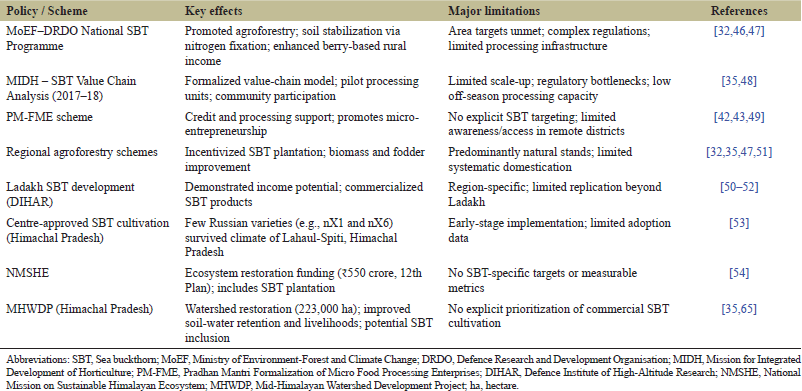 | Table 1. Overview of key government schemes, their effects, and limitations in supporting SBT cultivation and value chain development in the Himalayan region. [Click here to view] |
3.3. Challenges in SBT Commercialization
Despite the potential of SBT farming in Uttarakhand, it still faces multiple challenges, as barrier for cultivation and commercialisation of SBT [41,58]. Therefore, we identified key barriers to SBT cultivation and analysed their impact by selecting and analysing 11 key documents [32,34,35,39,41,51,52,59–62] (Refer Supplementary Table S1 for details) using structured Relative Weighting Approach which converted qualitative textual data (mentioned as barriers in literature) into quantitative indices (weights), providing hierarchical ranking of constraints in SBT commercialisation, actionable for policymakers.
3.3.1. Identification of barriers
About eight key barriers to SBT farming were identified by analysing 11 key documents, selected on the basis of their relevance to the scope of the review;
- Infrastructure shortages in areas like, processing units, cold storage, rural roads [32,35,51].
- Supply-chain issues in fragmented distribution and price swings [32,34,35,61].
- Market-awareness gaps in farmer training and branding deficits [32,35,41,59–61].
- Certification burdens in areas like, organic farming and export [35,52].
- Biotic-stresses, like leaf-spot, root-rot, wilts, etc [61,62].
- Propagation hurdles like nursery mortality, no released cultivars, etc [32].
- Post-harvest losses like, perishability, wash-off and drying losses, etc [35].
- Policy and regulatory issues like fragmented land tenure between forest departments and local communities, and limited operational support programs [39,52].
Detailed analysis, including study region, study type, barriers reported and rationale for inclusion of each study, is given in the Appendix: Supplementary Table S2.
3.3.2. Ranking of barriers
The occurrence and severity score of each key barrier were calculated by the expert panel, based on which, the score of impact of each key barrier was derived. The raw score of impact of the barriers was normalised, to get the relative impact of each barrier (Table 2). For details, refer Appendix: Supplementary Table S3–S5. The relative impact of key barriers in SBT cultivation as bar graph (Fig. 1).
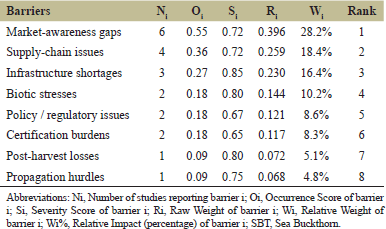 | Table 2. Relative impact and ranking of key barriers to SBT commercialisation. [Click here to view] |
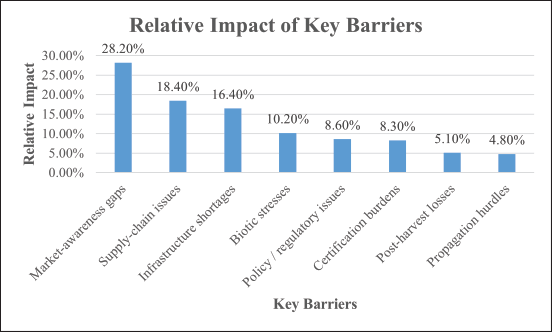 | Figure 1. Relative impact (%) of key barriers to SBT commercialisation in Uttarakhand, derived using the Relative Weighting Approach based on 11 Uttarakhand- and Himalayan-region-specific studies. [Click here to view] |
This analysis indicates that, market awareness gaps (28.2%) and Supply-chain issues (18.4%) are the biggest constraints in SBT commercialisation (over 46% of the total barrier weight). The lack of awareness among the producers and the consumers about SBT and its products and the supply chain issues are due to weak market linkages and weak pull of natural populations in the market due to poor access of locals in the reserved forests and biochemical instability of the produce, despite strong nutritional value. Infrastructure shortages also act as a key barrier in SBT commercialisation with relative impact of over 16%, due to lack of cold-chain logistics, mechanical harvesting tools, and shortage of irrigation-networks. Biotic stresses (diseases) have over 10% impact in SBT commercialisation, due to mortality of SBT trees by vascular wilts and ‘Dried-Shrink’ disease caused by Fusarium sporotrichoides. Policy/regulatory and certification hurdles have a relative impact of over 8% each (together about 16%), due to fragmented land tenure between government and locals, ambiguities in access and benefit sharing (ABS) framework, lack of sustainable SBT harvesting protocols, threat to organic status of SBT due to chemical treatments and lack of certified SBT varieties in the market. Post-harvest losses and propagation hurdles together have a relative impact of about 10%, due to fragile mountain ecosystem, where SBT grows in specific ecological conditions, where inefficient harvesting methods leads to nutrient loss in SBT produce. Issues related to policies, certification, propagation and post-harvest care come across as the least concerning challenges in this context, because there are bigger challenges at the start of the value chain of SBT like market-awareness, infrastructure and supply-chains issues, which is why, other issues appear to be the ‘second-order’ problems. These so called ‘second-order’ problems will only become the primary constraint after the ‘first-order’ problems like market awareness and infrastructure shortages are resolved. In a nutshell, this indicates that, growing SBT would become a challenge only if the market demand, supply chain and infrastructure are fully developed [32,34,35,39,41,51,52,59–62].
The following subsections further analyse the scenario of SBT commercialisation in Himalayan states-Uttarakhand, Himachal Pradesh and Ladakh; in different contexts (like, climatic, socio-economic, etc), which further contextualise the key barriers identified in this study.
3.4. Case Studies of SBT
Case studies of SBT cultivation areas of the Indian subcontinent [35,43,50] were analysed to discuss the steps which helped in SBT commercialisation and value addition. These steps could be replicated in Uttarakhand for the same effect (Table 3). The success of Self-Help Groups (SHGs) based harvest of SBT in Leh, Ladakh can be replicated in Uttarakhand by establishing similar collection and trade mechanisms, potentially leading to income generation of people living in areas with high wild growth of SBT. Moreover, this plant’s dense micro-nutrients’ profile [51], could fulfil the micronutrients’ requirements in the people of Uttarakhand. Trials of exotic cultivars (HI-1 to HI-5) led to the development of thornless, dwarf, high-yield variants in Himachal Pradesh [44]. Also, studies have shown 1–30 times variation in antioxidant activity based on geography and genotype [62]. Hence, localised biochemical profiling of indigenous populations of SBT could help in identifying better cultivars in growing in Uttarakhand. SBT beverage processing units of Ladakh [63], can be replicated in Uttarakhand. The integration of SBT in traditional systems like Sowa-Rigpa in Ladakh [51] can help in the primary treatment of people living afar from medical aid in Uttarakhand. The mapping of 11,500 hectares of wild populations in Ladakh using Geographic Information System (GIS) tools [52] can also be replicated in Uttarakhand to evaluate the current scenario of sustainable harvesting. Strong community involvement and policy advocacy in Pakistan's Hindu Kush Himalaya region had helped in SBT value addition [64]. Similar public awareness and participation to ensure proper incorporation of policies could uplift SBT cultivation in Uttarakhand. However, direct transfer of SBT interventions from Ladakh and Himachal Pradesh is difficult due to ecological and socio-economic differences. Himachal Pradesh has well-developed horticulture systems and cold-chain infrastructure, while Ladakh has community-based forest management system, leading to largescale SBT cultivation. On the contrary, Uttarakhand has fragmented landholdings, declining Van panchayat governance (community-based forest management system), and socio-economic divide, limiting mass cultivation of SBT. This is why, governmental schemes like Pradhan Mantri Kisan Samman Nidhi (PM-KISAN) have limited outreach in Uttarakhand. These differences are needed to be addressed to improve SBT farming and commercialisation in Uttarakhand [65–73]. Case studies beyond South-Asia, also give valuable insights for SBT commercialisation in Uttarakhand. SBT breeding programs in Russia by the Lisavenko Research Institute developed thornless, high oilyielding cultivars (like Hippophae rhamnoides ssp. mongolica), by the support of centralised nurseries and integrated processing systems. Certified germplasm propagation of SBT by standardised nursery protocols led to large-scale afforestation in degraded lands of China. Organic subsidies promoted ecological cultivation of SBT in Romania, despite infrastructure related challenges (like cold-chain infrastructure) and product standardisation. SBT played an important role in postmining ecological restoration in Germany. SBT is cultivated on around 2.33 million hectares around the world, in which, China accounts for around 2.1 million hectares due to industrial and ecological demand, while Russia utilises high oil-yielding SBT cultivars for oil production to export [74–80]. Research on SBT has shifted from phytochemical profiling to optimization of valuable metabolites through cultivar development. For example, temperature and altitude significantly affect flavonoid (like quercetin and isorhamnetin) accumulation in Chinese cultivars [80]. Genetically superior SBT cultivars are being identified in Romania, terms of nutraceutical properties, like ‘Cora’ (high ascorbic acid) and ‘Mara’ (high natural preservatives) [81]. Moreover, comprehensive utilisation of the plant (like seeds for mineral and protein, leaves for flavonoids, fruit pulp for nutrition, etc) is targeted [80–82]. International case studies emphasize the need for site-specific, climate-resilient SBT cultivars in Uttarakhand, which could ecologically improve degraded landscape. Biochemical profiling and ecotype matching of cultivars, mobile processing units, and coordination between cultivar lifecycles and government systems are also important. In a nutshell, SHG-based and women-led enterprises could support SBT processing under various governmental schemes (like PM-FME), providing rural livelihood. Scientific selection of nutritionally and ecologically superior SBT cultivars would boost SBT production. By integrating SBT into governmental development policies, along with strong market linkages and coldchain infrastructure will enhance SBT commercialisation.
 | Table 3. Regional case studies on SBT development and their implications for Uttarakhand. [Click here to view] |
This section contextualised and gave practical solutions to some of the key barriers ranked in section 3.3, which are, market awareness gaps; by SHGs and Geographical Indication (GI) branding, supply chain issues (by institutional coordination), infrastructure shortages (by mobile processing units and nursery system), and propagation hurdles (by certified habitable cultivars).
3.5. Comparison Between Ladakh and Uttarakhand
Ladakh’s success in SBT farming and trade happened due to support of well-established government structures. The Defence Institute of High-Altitude Research (DIHAR) helped in providing certified planting material, maintaining demonstration orchards for farmers, and conducting hands-on training sessions in Ladakh. After which, DIHAR transferred the SBT based technology to a private firm in 2001. Then SBT berries collection became a significant income generating activity of the region [35]. Adding to this, the SBT cultivation area in Ladakh has been mapped through GIS (approximately 12,000 hectares), whereas the same has not been done in Uttarakhand [51]. Research institutes, Non-Governmental Organizations, district bodies, and producer groups were connected by formal platforms which played their defined roles. Market-linkages, branding efforts, GI tag registration helped in the stabilization of market prize of SBT, which, in turn, encouraged the participation of SHGs, especially for women, and helped in production of a variety of value-added products, supporting rural livelihoods, environment and reforestation [35]. The documented fruit prices in Ladakh have been increased from ?8/kg (2001) to ?22/kg (2010), demonstrating market stabilization and demand growth, while Uttarakhand lacks any documented prize, indicating irregular pricing and barter system in SBT trade. Ladakh also organises cluster programs, for example, Scheme of Fund for Regeneration of Traditional Industries, benefiting over 500 families, whereas such interventions are so far, absent in Uttarakhand [51]. Ladakh has cooperative pulp and beverage processing units in remote areas; preparing varied products (tea, squash, wine), whereas Uttarakhand lacks these units in hilly areas [44]. On the other hand, Uttarakhand has several challenges in SBT cultivation and trade. For example, Uttarakhand has a complex administrative structure; The State Secretariat oversees implementation through Divisional Commissioners and District Magistrates. The implemented schemes are executed by various line departments, like forest and horticulture department, which transfer the tasks to Block Development Officers. Moreover, many SBT cultivation sites are under the control of Van Panchayats or are in reserved forest areas, which requires benefit-sharing agreements, increased coordination costs and access to these sites would be legally negotiated [56]. On the other hand, Ladakh has time-bound harvest permits for SBT, benefiting the SBT harvesters [51]. Uttarakhand also faces socio-political hurdles like, caste and gender stratification, dispersed and small land holdings, and significant seasonal migration in rural households, especially in hilly regions, which reduces labour availability and cooperative trust [41,83]. This section also contextualised and gave practical solutions to key barriers discussed in section 3.3, like, Uttarakhand needs to take several measures like, explicit Memoranda of understanding (MoUs) between the forest department, van panchayats and Self-Help Farmer Groups to define harvest zones and benefit-sharing ratios for SBT (to resolve policy/regulatory issues) [56], detailed project report-based PM-FME or PPP demonstration units with time-bound performance targets, district SBT facilitation cells, which could be located in the horticulture offices of District Rural Development Agency to reach out to the farmers from complex administrative structure, involvement of institutions like Herbal Research and Development Institute Gopeshwar as nursery and agronomy anchor for SBT, mandatory governance key performance indicators with regular reporting should be implemented (to address supply-chain issues, infrastructure shortages and market awareness gaps).
3.6. Potential Area of Cultivation for SBT
In Uttarakhand, SBT is naturally found in high-altitude regions, especially along the river valleys and glacial streams, which contextualises its potential role in soil stabilization, ecosystem balance and livelihood support in Uttarakhand. Until 2009, the total area of SBT cultivation or wild growth was approximately 3,750 hectares, across four major districts, namely, Uttarkashi, Rudraprayag, Chamoli, and Pithoragarh [84]. Total cultivable area for SBT among these four districts is presented Figure 2. Uttarkashi has the most area of SBT cultivation or wild growth, indicating its suitability for further developments in value addition of SBT, followed by Rudraprayag. While the total area of cultivation or area with natural SBT populations, of Uttarakhand is geographically mapped in Figure 3. This geographical spread of SBT in Uttarakhand is evidence of the ecological adaptability of this plant in the alpine and sub-alpine zones of Uttarakhand. However, it is difficult to access that exactly how much of the mapped area is actually accessible for value chain development of SBT, and how much of the total area is used for cultivation or have natural populations of SBT, which could be only evaluated if the actual areas are mapped carefully and extensively, like in Ladakh [52]. But at present,, it can be concluded that a significant part of the total cultivable area is inaccessible due to various reasons, like; SBT populations present in minimal dispersed patches characterised with steep slopes, which makes harvesting operations logistically difficult [85]. This gives context to the barriers like infrastructure shortages and policy/regulatory issues, which were identified in Section 3.3.
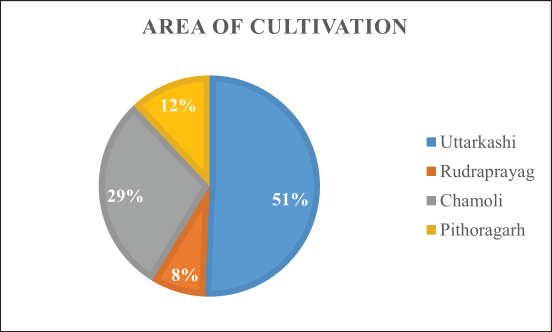 | Figure 2. District-wise share of total mapped area under cultivation or natural populations of SBT in Uttarakhand. [Click here to view] |
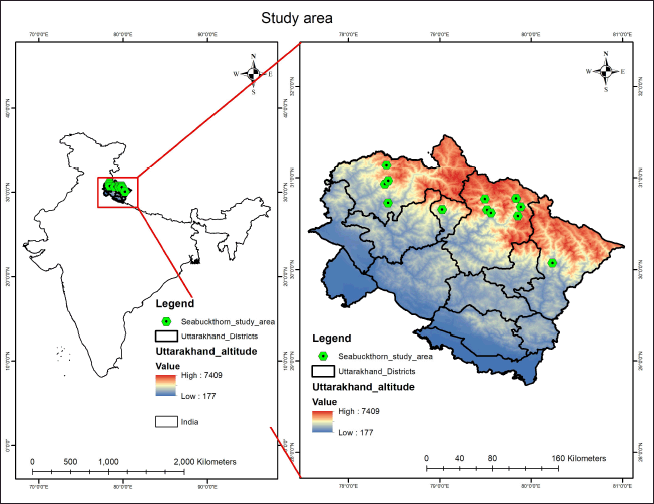 | Figure 3. Geographic distribution of mapped SBT cultivation and natural populations across high-altitude districts of Uttarakhand, generated using ArcMap 10.8 based on compiled secondary data [Click here to view] |
3.7. News Articles and Media Reports
Many media reports and news articles based on SBT are being published. A few of it are discussed in this section. The Defence Research and Development Organisation (DRDO) added SBT juice in the daily diet of soldiers in Siachen, due to its nutritional superiority. Local cooperatives like Himalayan Flora are actively involved in production and trade, with juice priced between ?1,350 and ?3,000 per litre, due to the growing demand [86]. The grant of GI tag strengthened its market identity, supporting local livelihood [87]. In Uttarakhand, commercial cultivation using by cultivars sourced from Himachal Pradesh has started and processing infrastructure is being developed by the Uttarakhand Government. Plans for a processing unit in Sukki village (Harsil valley), Farmer Producer Organization (FPO) formation, and allocation of ?70 lakh for infrastructure development had been done [88]. However, follow-up evidence is scarce. There is a clear contrast between Uttarakhand and Ladakh in this context. Ladakh has flourishing SBT economy, whereas Uttarakhand is in budding phase. This section contextualises infrastructure shortages, weak supply chain, limited market awareness, certification and propagation hurdles.
3.8. Future Interventions to Drive Growth for SBT Commercialisation
By 2020, SBT cultivation in Ladakh had expanded to over 11,500 hectares, supported by GI recognition and strong institutional backing. In Himachal Pradesh, investments over ?1,000 crore strengthened horticulture infrastructure, mobilized FPOs, and improved cold storage and planting material systems [35,38,44,73], facilitating SBT value addition. On the contrary, Uttarakhand faces structural constraints such as small landholdings and low credit absorption under schemes like PM-KISAN and Kisan Credit Card [83], limit valuechain development. Addressing these challenges requires targeted public and institutional interventions.
Proposed key interventions are presented below:
3.8.1. Expansion of farmer training programs to improve cultivation practices, disease management, and market literacy.
3.8.2. Structured branding strategies to position SBT products in domestic and international markets.
3.8.3. Policy reforms in export certification, financial access and agro-industrial incentives.
3.8.4. Investment in decentralised processing units to reduce post-harvest losses and enhance value-chain efficiency.
A phased 3-year pilot model is proposed for Uttarakhand:
Year 1: Establish district facilitation cells; strengthen and expand demonstration plots in Chamoli and Uttarkashi; scale farmer training through institutions such as HDRI Gopeshwar.
Year 2: Expand cultivation to farmer-owned lands; deploy mobile pulping units; formalise sustainable harvest zones through MoUs with Van Panchayats.
Year 3: Secure regional procurement contracts via PM-FME or PPP models; increase fruit collection volumes; ensure at least 30% female participation.
Progress should be monitored through measurable indicators such as aggregate fruit volumes (MT), pulping latency (days), subsidy disbursement timelines, and plant survival rates (%).
4. CONCLUSION
In conclusion, SBT has a strong potential for livelihood generation in Uttarakhand, as evidenced by successful models in Ladakh and Himachal Pradesh. It supports ecological restoration and promotes sustainable development. However, key barriers to its commercialisation like lack of awareness, infrastructure shortages, supply-chain issues, and policy gaps exist, inhibiting direct replication of success models of Ladakh and Himachal Pradesh in Uttarakhand. These key barriers are linked to scarcity of the following factors: institutional support, knowledge gaps among farmers, SBT processing and storage facilities, access of locals to wild SBT populations, etc. Without addressing these factors, SBT commercialisation in Uttarakhand is difficult. For this, coordinated efforts of the governments, institutions and private stakeholders is crucial. Regular and in-depth farmers’ training, establishment of decentralised processing units, development of cold-chain and transport infrastructure, policy/regulatory support to improve ABS between government and locals, and promoting market awareness through marketing can help in removing barriers to SBT commercialisation. Overall, SBT is promising for environmental conservation and livelihood generation in Uttarakhand, if the above discussed barriers are mitigated properly.
5. ACKNOWLEDGMENTS
We would also like to acknowledge financial support of Uttarakhand State Council for Science and Technology (UCOST), Dehradun, Uttarakhand, India, and the infrastructural support of the Vice Chancellor, Graphic Era (Deemed to be University), Dehradun, Uttarakhand, India.
6. AUTHOR CONTRIBUTIONS
All authors made substantial contributions to conception and design, acquisition of data, or analysis and interpretation of data; took part in drafting the article or revising it critically for important intellectual content; agreed to submit to the current journal; gave final approval of the version to be published; and agree to be accountable for all aspects of the work. All the authors are eligible to be author as per the International Committee of Medical Journal Editors (ICMJE) requirements/guidelines.
7. CONFLICTS OF INTEREST
The authors report no financial or any other conflicts of interest in this work.
8. ETHICAL APPROVALS
This study does not involve experiments on animals or human subjects.
9. DATA AVAILABILITY
All the data is available with the authors and shall be provided upon request.
10. PUBLISHER’S NOTE
All claims expressed in this article are solely those of the authors and do not necessarily represent those of the publisher, the editors and the reviewers. This journal remains neutral with regard to jurisdictional claims in published institutional affiliation.
11. USE OF ARTIFICIAL INTELLIGENCE (AI)-ASSISTED TECHNOLOGY
The authors declare that they have not used artificial intelligence (AI)-tools for writing and editing of the manuscript, and no images were manipulated using AI.
12. SUPPLEMENTARY MATERIAL
The supplementary material can be accessed at the journal’s website: https://jabonline.in/admin/php/uploadss/1494_pdf.pdf
REFERENCES
1. Mir NA, Geelani SM, Bhat RA, Qadri H, Beigh BA. Seabuckthorn (Hippophae sp.): a unique high altitude multipurpose plant species growing in cold regions. Int J Adv Res Sci Eng 2018;7:1941–52.
2. Yadav D, Yadav R, Tomar A, editors. Sea buckthorn - a wonder tree of the Himalayan region [Internet]. Scientific India, Dehradun, India, 2016. Available via https://scind.org/Science/article/Sea-Buckthorn--A-Wonder-Tree-Of-Himalyan-Region (Accessed 25 July 2025)
3. Ghabru A, Varshneya C, Rana N, Verma G, Chauhan S. Assessment of bioactive constituents present in sea buckthorn byproducts. Pharma Innov J 2023;12(6):227–35.
4. Lu R. Sea buckthorn: a multipurpose plant species for fragile mountains. International Centre for Integrated Mountain Development (ICIMOD), Kathmandu, Nepal, 1992. Report No.: ICIMOD Occasional Paper 20; doi: CrossRef
5. Zakynthinos G, Varzakas T. Hippophae rhamnoides: safety and nutrition. Curr Res Nutr Food Sci 2015;3(2):89–97; doi: CrossRef
6. Letchamo W, Ozturk M, Altay V, Musayev M, Mamedov NA, Hakeem KR. An alternative potential natural genetic resource: sea buckthorn Elaeagnus rhamnoides (syn.: Hippophae rhamnoides). In: Ozturk M, Hakeem K, Ashraf M, Ahmad M (eds). Global perspectives on underutilized crops, Cham, Switzerland: Springer International Publishing, p 25, 2018; doi: CrossRef
7. Dhyani D, Maikhuri RK, Misra S, Rao KS. Endorsing the declining indigenous ethnobotanical knowledge system of seabuckthorn (Hippophae salicifolia) in Central Himalaya, India. J Ethnopharmacol 2010;127(2):329–34; doi: CrossRef
8. Kanayama Y, Ohkawa W, Chiba E, Sato K, Kanahama K, Ofosu-Anim J. Nutritional components and nitrogen fixation in seabuckthorn (Hippophae rhamnoides L.). In: Jaenicke H, Ganry J, Hoeschle-Zeledon I, Kahane R (eds). ISHS Acta Horticulturae 806: international Symposium on Underutilized Plants for Food Security, Nutrition, Income and Sustainable Development, Arusha, Tanzania: International Society for Horticultural Science, Vol. 806, p 309, 2009; doi: CrossRef
9. Kumar A, Kumar P, Sharma A, Sharma DP, Thakur M. Scientific insights to existing know-how, breeding, genetics, and biotechnological interventions pave the way for the adoption of high-value underutilized superfruit Sea buckthorn (Hippophae rhamnoides L.). S Afr J Bot 2021;145:138–52; doi: CrossRef
10. Bartish IV, Thakur R. Genetic diversity, evolution, and biogeography of seabuckthorn. In: Sharma PC (ed). The seabuckthorn genome, Cham, Switzerland: Springer International Publishing, p 23, 2022; doi: CrossRef
11. Nybom H, Ruan C, Rumpunen K. The systematics, reproductive biology, biochemistry, and breeding of sea buckthorn - a review. Genes 2023;14(12):2120; doi: CrossRef
12. Suryakumar G, Gupta A. Medicinal and therapeutic potential of sea buckthorn (Hippophae rhamnoides L.). J Ethnopharmacol 2011;138(2):268–78; doi: CrossRef
13. Chaudhary P, Sharma PC. Genetic diversity and population structure in wild seabuckthorn (Hippophae salicifolia D. Don) growing in the Uttarakhand region of the Indian Himalayas. Genet Resour Crop Evol 2023;70:205–20; doi: CrossRef
14. Herbal Research & Development Institute. Survey documentation and value addition of Hippophae spp. (Sea buckthorn) in cold desert areas of Uttarakhand Himalaya. Herbal Research & Development Institute, Gopeshwar, India, 2016. Report No.: CONS/VA-01/2016.
15. Giri L, Chorol S, editors. Survey, documentation and value addition of Hippophae spp. (sea buckthorn) in cold desert areas of Uttarakhand Himalaya [Internet]. G.B. Pant National Institute of Himalayan Environment and Sustainable Development, Almora, India, 2016. Available via https://www.gbpihed.gov.in/Key_research_detail.php?Res_id=Res_11964439631756561108 (Accessed 10 October 2025)
16. Hegazy H, Saady NMC, Khan F, Zendehboudi S, Albayati TM. Biogas plants accidents: analyzing occurrence, severity, and associations between 1990 and 2023. Saf Sci 2024;177:106597; doi: CrossRef
17. Criste A, Urcan AC, Bunea A, Pripon Furtuna FR, Olah NK, Madden RH, et al. Phytochemical composition and biological activity of berries and leaves from four Romanian Sea buckthorn (Hippophae rhamnoides L.) varieties. Molecules 2020;25:1170; doi: CrossRef
18. El-Sohaimy SA, Shehata MG, Mathur A, Darwish AG, Abd El-Aziz NM, Gauba P, et al. Nutritional evaluation of sea buckthorn "Hippophae rhamnoides" berries and the pharmaceutical potential of the fermented juice. Fermentation 2022;8:391; doi: CrossRef
19. Kania-Dobrowolska M, Baraniak J, Siger A. Sea buckthorn plant as a functional food ingredient, with antioxidant and anti-inflammatory properties. Acta Sci Pol Technol Aliment 2023;22(4):477–96; doi: CrossRef
20. Lee YH, Jang HJ, Park KH, Kim SH, Kim JK, Kim JC, et al. Phytochemical analysis of the fruits of sea buckthorn (Hippophae rhamnoides): identification of organic acid derivatives. Plants 2021;10:860; doi: CrossRef
21. Gao ZL. Effect of sea buckthorn on liver fibrosis: a clinical study. World J Gastroenterol 2003;9(7):1615–7; doi: CrossRef
22. Chen Y, Cai Y, Wang K, Wang Y. Bioactive compounds in sea buckthorn and their efficacy in preventing and treating metabolic syndrome. Foods 2023;12(10):1985; doi: CrossRef
23. Wani TA, Wani SM, Ahmad M, Ahmad M, Gani A, Masoodi FA. Bioactive profile, health benefits and safety evaluation of sea buckthorn (Hippophae rhamnoides L.): a review. Cogent Food Agric 2016;2(1):1128519; doi: CrossRef
24. Negi M, Rajani. Morphological description and ecotypic variability for germplasm in sea buckthorn (Hippophae spp.) in Chamoli district of Uttarakhand, India. Int J Curr Microbiol App Sci 2018;7(7):1234–40; doi: CrossRef
25. Dhyani D, Dhyani S, Maikhuri RK. Assessing anthropogenic pressure and its impact on Hippophae salicifolia pockets in Central Himalaya, Uttarakhand. J Mt Sci 2013;10(3):464–71; doi: CrossRef
26. Sharma A, Singh V. Effect of altitude and seabuckthorn (Hippophae rhamnoides) on soil properties in dry temperate region of Himachal Pradesh. J Appl Nat Sci. 2017;9(4):2228–34; doi: CrossRef
27. Lamo K, Solanki SPS. Sea buckthorn a boon for Trans-Himalayan region of Ladakh: a review. Agri Rev 2019;40(4):289–95; doi: CrossRef
28. George KJ, Kumar S, Hole RM. Geospatial modelling of soil erosion and risk assessment in Indian Himalayan region - a study of Uttarakhand state. Environ Adv 2021;4:10003; doi: CrossRef
29. Li G, Du S, Guo K. Evaluation of limiting climatic factors and simulation of a climatically suitable habitat for Chinese sea buckthorn. PLoS One 2015;10(7):e0131659; doi: CrossRef
30. Pareek N, Raverkar KP, Bhatt MK, Kaushik S, Chandra S, Singh G, et al. Soil nutrient status of Bhabhar and hill areas of Uttarakhand. ENVIS Bull Himalayan Ecol 2019;27 :89–92.
31. Singh R. Ethnobotany, anatomy and biochemical studies on seabuckthorn (Hippophae rhamnoides L.) in Nubra valley of Ladakh. Dissertation, Maharshi Dayanand University, Rohtak, India, 2004.
32. Sharma A, Singh V, Sharma A, Negi N. Seabuckthorn a new approach in ecological restoration of Himalayan Ecosystem: a review. Int J Chem Stud 2019;7(1):1219–26.
33. Acharya SO, Stobdan T, Singh SB. Seabuckthorn (Hippophae sp. L.): new crop opportunity for biodiversity conservation in cold arid Trans-Himalayas. J Soil Water Conserv 2010;9(3):201–4.
34. Negi S, Anand N. Issues and challenges in the supply chain of fruits & vegetables sector in India: a review. Int J Manag Value Supply Chains 2015;6(2):47–62; doi: CrossRef
35. Stobdan T, Phunchok T. Value chain analysis of seabuckthorn (Hippophae rhamnoides L.) in Leh Ladakh. Defence Institute of High Altitude Research; Ladakh Autonomous Hill Development Council, Leh, India, 2017.
36. Fortune Business Insights™. Sea buckthorn market size, share & industry analysis, by form (juice, oil, powder, others), by application (dietary supplement, pharmaceutical, cosmetics & personal care, food & beverages, others), and regional forecast, 2025–2032 [Internet]. Fortune Business Insights [updated 2025 Jul 14]. Report No. FBI103197. Available via https://www.fortunebusinessinsights.com/sea-buckthorn-market-103197 (Accessed 25 July 2025)
37. Nawaz MA, Khan AA, Khalid U, Buerkert A, Wiehle M. Superfruit in the niche—underutilized sea buckthorn in Gilgit Baltistan, Pakistan. Sustainability 2019;11(20):5840; doi: CrossRef
38. Yadav A, Stobdan T, Chauhan OP, Dwivedi SK, Chaurasia OP. Sea buckthorn: a multipurpose medicinal plant from upper Himalayas. In: Joshee N, Dhekney S, Parajuli P (eds). Medicinal plants: from farm to pharmacy, Cham, Switzerland: Springer International Publishing, p 2019, 2019; doi: CrossRef
39. Tamchos S, Kaul V. Seabuckthorn: opportunities and challenges in Ladakh. Natl Acad Sci Lett 2019;42(2):175–8; doi: CrossRef
40. Singh R, Dwivedi SK, Bala M. Biosystematics and botanical descriptions of seabuckthorn (Hippophae Sp.) in India. In: Sharma PC (ed). The seabuckthorn genome, Cham, Switzerland: Springer International Publishing, vol. 2022, p 1, 2022; doi: CrossRef
41. Dhyani D, Maikhuri RK, Dhyani S. Seabuckthorn: an underutilized resource for the nutritional security and livelihood improvement of rural communities in Uttarakhand Himalaya. Ecol Food Nutri 2011;50(2):168–80; doi: CrossRef
42. Ministry of Food Processing Industries. Guidelines for implementation of "PM Formalisation of Micro Food Processing Enterprises Scheme (PM FME Scheme)". Ministry of Food Processing Industries, Government of India, New Delhi, India, 2020.
43. Ministry of Food Processing Industries. Annual report 2022-23. Ministry of Food Processing Industries, Government of India, New Delhi, India, 2023.
44. Singh A, Butola JS, Samant SS, Sharma P, Lal M, Marpa S. Indigenous techniques of product development and economic potential of seabuckthorn: a case study of Cold Desert region of Himachal Pradesh, India. Proc Natl Acad Sci India Sect B Biol Sci 2012;82(3):391–8; doi: CrossRef
45. Tashi T, Sudan FK. Economic opportunities brought by sea buckthorn in the cold desert area of Nubra Valley, Ladakh. IASSI-Quarterly 2022;41(1 and 2):184–95.
46. Arora R. DRDO herbal technologies: military and civil applications. In: Singh B, Peter KV (eds). New age herbals, Singapore, Singapore: Springer Nature Singapore, p 2018, 2018; doi: CrossRef
47. Rana RK, Dhailiwal YS. Selection of high yielding land races of seabuckthorn from wild seedling population in Lahaul and Spiti District of Himachal Pradesh, India. Int J Agricult Appl Sci 2022;3(1):90–3; doi: CrossRef
48. Mushtaq R, Singh H. Ecological and Socioeconomic importance of seabuckthorn in Ladakh of Jammu and Kashmir. Res Rev Int J Multidisciplinary 2019;04(5):825–9.
49. Ministry of Food Processing Industries. PM formalisation of micro food processing enterprises (PMFME) scheme [Internet]. Ministry of Food Processing Industries, New Delhi, India, 2020. Available via https://pmfme.mofpi.gov.in/pmfme/#/Home-Page (Accessed 20 May 2025)
50. Stobdan T, Dolkar P, Chaurasia OP, Kumar B. Seabuckthorn (Hippophae rhamnoides L.) in Trans-Himalayan Ladakh, India. Def Life Sci J 2017;2(1):46–53; doi: CrossRef
51. Stobdan T, Korekar G, Chaurasia OP, Balaji B, Yadav A, Dwivedi SK, et al. Seabuckthorn production for greening and sustainable income generation in cold desert of India. In: Srivastava RB, Selvamurthy W (eds). Innovatives in agro animal technologies, New Delhi, India, Satish Serial Publishing House, p 2012, 2012.
52. Stobdan T, Yadav A, Mishra GP, Chaurasia OP, Srivastava RB. Seabuckthorn: the super plant (production, characterization, post harvest and health applications). Defence Institute of High-Altitude Research, Defence Research & Development Organisation, Leh, India, 2011.
53. Shamimi HM, Singh V. Studies on early growth of Russian seabuckthorn varieties (Hippophae rhamnoides spp. Mongolica) under dry temperate Himalayas in Lahaul valley. Progressive Horticulture 2019;51(2):143–9; doi: CrossRef
54. Department of Science & Technology (IN), Ministry of Science & Technology. National mission for sustaining the Himalayan eco-system. Mission Document. Department of Science & Technology, Ministry of Science & Technology, Government of India, New Delhi, India, 2010.
55. International Centre for Integrated Mountain Development. China, India, Nepal, and Pakistan partners to strengthen sea buckthorn value Chain [Internet]. International Centre for Integrated Mountain Development, Kathmandu, Nepal, 2018. Available via https://www.icimod.org/china-india-nepal-and-pakistan-partners-to-strengthen-sea-buckthorn-value-chain/
56. Singh V. Seabuckthorn Association of India, CSK HP Agricultural University, Palampur. Road Map on Seabuckthorn Development in High Altitude Himalayas. Draft document. NMPB, AYUSH, Govt. of India, New Delhi, India, 2018.
57. Drishti IAS. Ladakh sea buckthorn and Kerala Onattukara Sesame [Internet]. Drishti IAS, New Delhi, India, 2023. Available via https://www.drishtiias.com/daily-updates/daily-news-analysis/ladakh-sea-buckthorn-and-kerala-onattukara-sesame
58. Sethunath K, Bhaskar J, Rajendra BN, Naidu SA. Seabuckthorn: a review on the hidden treasure of the temperates. J Agric Ecol Res Int 2024;25(4):98–106; doi: CrossRef
59. Tomar A, Singh VRR, Rattan V. Seabuckthorn - a potential bioresource in Himalayas for the upliftment of local livelihood. Forestry Bull 2011;11(1):30–5.
60. Singh R, Dwivedi SK, Bala M. Survey, identification and evaluation of biodiversity of seabuckthorn (Hippophae salicifolia) in hills of Uttarakhand. bioRxiv 2020; 2020–10; doi: CrossRef
61. Sharma N. First comprehensive report on the occurrence of various fungal diseases in seabuckthorn from Uttarakhand, India. Int J Adv Agri Sci Tech 2023;10(1):6–27; doi: CrossRef
62. Dolkar P, Dolkar D, Angmo S, Kumar B, Stobdan T. Variability in phenolics, flavonoids and antioxidants in seabuckthorn (Hippophae rhamnoides L.) seed from nine trans-Himalayan natural population. J Berry Res 2017;7(2):109–16; doi: CrossRef
63. Indian Institute of Food Processing Technology. Model detailed project report sea buckthorn beverage processing [Internet]. Indian Institute of Food Processing Technology, Thanjavur, India.
64. Jasra AW, Ahmad I. Developing seabuckthorn as livelihood source in untapped mountain ecologies of Pakistan. Pak J For 2006;56(1):67–81.
65. United Nations Framework Convention on Climate Change (UNFCCC). India: Himachal Pradesh Reforestation Project—Improving Livelihoods and Watersheds. Project Design Document Form for A/R CDM Project Activities (CDM-AR-PDD), Version 07 [Internet]. Bonn, Germany: UNFCCC; 2011 [cited 2025 May 9]. Available from: https://cdm.unfccc.int/
66. Islam M, Mukherjee D, Jena LK, Chakraborty S, Hasan KK, Debnath R. Antecedents of livelihood development using cold chains in the horticultural sector of the emerging markets: a systematic literature review. Horticulturae 2022;8(12):1196; doi: CrossRef
67. Husain M, Rathore JP, Rasool A, Parrey AA, Vishwakarma DK, Mahendar K. Seabuckthorn: a multipurpose shrubs species in Ladakh cold desert. J Entomol Zool Stud 2018;6(2):1330–7.
68. Gupta R, Tiwari S. At the crossroads: continuity and change in the traditional irrigation practices of Ladakh. In 9th Biennial Conference of the International Association for the Study of Common Property (IASCP), New Delhi, India: Winrock International India, 2002.
69. Chakraborty A, Ghosh A, Sachdeva K, Joshi PK. Characterizing fragmentation trends of the Himalayan forests in the Kumaon region of Uttarakhand, India. Ecological Informat 2017;38:95–109; doi: CrossRef
70. Nagahama K, Saito K, Yamamoto H, Hama Y, Gairola H, Singh P, et al. How Van Panchayat rule systems and resource use influence people’s participation in forest commons in the Indian Himalayas. J Sustain Develop 2019;12(2):56; doi: CrossRef
71. Stevens M, Satterfield T. Many mountain paths: perceiving change in the management of community forests in the Hindu Kush Himalaya, Uttarakhand, India. Environ Planning E Nature Space 2024;7(3):1142–69; doi: CrossRef
72. Sati VP. Population, social and economic change. In: Sati VP (ed). Himalaya on the threshold of change, Cham, Switzerland: Springer International Publishing, p 2019, 2019; doi: CrossRef
73. Directorate of Economics and Statistics, Department of Agriculture & Farmers Welfare, Ministry of Agriculture & Farmers Welfare, Government of India. Agricultural Statistics at a Glance 2023. Directorate of Economics and Statistics, New Delhi, India, 2023.
74. Kolyada N, Moskaliuk T, Kolyada A. Distribution of Hippophae rhamnoides L. in Primorsky Krai and its invasive potential. International Scientific Conference Fundamental and Applied Scientific Research in the Development of Agriculture in the Far East, Cham, Switzerland: Springer International Publishing, pp 667–75, 2021; doi: CrossRef
75. Yang FS, Cao MM, Li HE, Wang XH, Bi CF. Ecological restoration and soil improvement performance of the seabuckthorn flexible dam in the Pisha Sandstone area of Northwestern China. Solid Earth Discuss 2014;6(2):2803–42; doi: CrossRef
76. Berechet G, Moise AE, Enache IF. Application challenges of sea buckthorn (Hippophaë rhamnoides L.) juices: case study Romania. J Agroalimentary Proc Tech 2025;31(2) :248–54; doi: CrossRef
77. Pampus M, Everts J. Planty temporalities: sea buckthorn in post-mining landscapes. Soc Cult Geo 2025;2025:1–21; doi: CrossRef
78. Mei D, Ma X, Fu F, Cao F. Research status and development prospects of sea buckthorn (Hippophae rhamnoides L.) resources in China. Forests 2023;14(12):2461; doi: CrossRef
79. Singh, V., and Zubarev, Y. Breeding strategies of Russian seabuckthorn (Hippophae rhamnoides ssp. mongolica) varieties and their global introduction. Seabuckthorn (Hippophae L.): A Multipurpose Wonder Plant. Emerging Trends in Research & Technologies 2014; 4:71-88.
80. Yang J, Yang B, Yang J, Yu S, Li X. Leaf flavonoids in Chinese sea-buckthorn (Hippophae rhamnoides subsp. sinensis Rousi) and their response to environmental gradients across northern China. Sci Asia 2024;50:1–10; doi: CrossRef
81. Netreba N, Sandulachi E, Macari A, Popa S, Ribintev I, Sandu I, et al. A study on the fruiting and correlation between the chemical indicators and antimicrobial properties of Hippophae rhamnoides L. Horticulturae 2024;10(2):137; doi: CrossRef
82. Zeb A, Malook I. Exploring the biochemical properties of Hippophae rhamnoides L. spp. turkestanica seeds,” International Journal of Anatomy and Physiology. 2025;14(4):1–5.
83. Directorate of Agriculture, Uttarakhand. Agricultural Statistics Uttarakhand 2021. Statistics Department, Directorate of Agriculture, Dehradun, India, 2021.
84. Yadav VK, Sharma SK, Sah VK, Rao VK, Bisht R. Seabuckthorn in Uttarakhand. seabuckthorn (Hippophae spp.): the golden bush. SSPH, Delhi, India, pp 71–87, 2009.
85. Yadav VK, Sharma SK, Rao VK, Yadav R, Radhakrishna A. Assessment of morphological and biochemical diversity in seabuckthorn (Hippophae salicifolia D. Don.) populations of Indian Central Himalaya. Proc Natl Acad Sci India Sect B Biol Sci 2014; 86:351–7. doi: CrossRef
86. Baghel M. News18 [Internet] Network18 Media & Investments Ltd, New Delhi, India; 2024. Available via https://hindi.news18.com/news/lifestyle/health-badri-berry-juice-is-no-less-than-miracle-for-body-included-in-daily-dose-of-army-soldiers-8036622.html (Accessed 30 May 2025).
87. Vinodiya N. Jagran News [Internet]. Jagran Prakashan Ltd., Kanpur, India; 2023. Available via https://www.jagran.com/jammu-and-kashmir/jammu-seabuckthorn-get-gi-tag-ladakh-seabuckthorn-fruit-gets-gi-tag-will-get-different-identity-in-india-and-abroad-23581133.html (Accessed 30 May 2025)
88. ETV Bharat Uttarakhand. ETV Bharat [Internet]. ETV Bharat, Hyderabad, India; 2023. Available via https://www.etvbharat.com/hindi/uttarakhand/state/uttarkashi/sea-buckthorn-processing-plant-will-be-set-up-in-sukki-village-of-uttarkashi/uttarakhand20231210175203779779562 (Accessed 30 May 2025)